


US senators are raising alarms over the financial implications of data center development, warning that consumers could face significantly higher electricity bills. Their concern stems from utility companies potentially being left to absorb billions in infrastructure costs if data centers do not generate the anticipated revenue, leaving ordinary citizens to foot the bill. This situation highlights a growing tension between the rapid expansion of data centers and the established utility business model.
Several states are already taking legislative action to address these concerns. Utah, Oregon, and Ohio have enacted laws that establish data centers as a distinct class of utility customer. These measures include crucial financial safeguards such as requiring upfront payments and enforcing longer contract durations to mitigate risks for utilities and their existing customer base. Virginia is also actively considering similar legislation.
The debate over the true cost impact of data centers is complex. While some studies, including those cited by The New York Times, have suggested that data centers might have previously helped lower electricity costs by distributing infrastructure upgrade expenses over a larger customer pool, these benefits are not guaranteed. The impact can vary significantly by state and may not account for the escalating demands driven by artificial intelligence.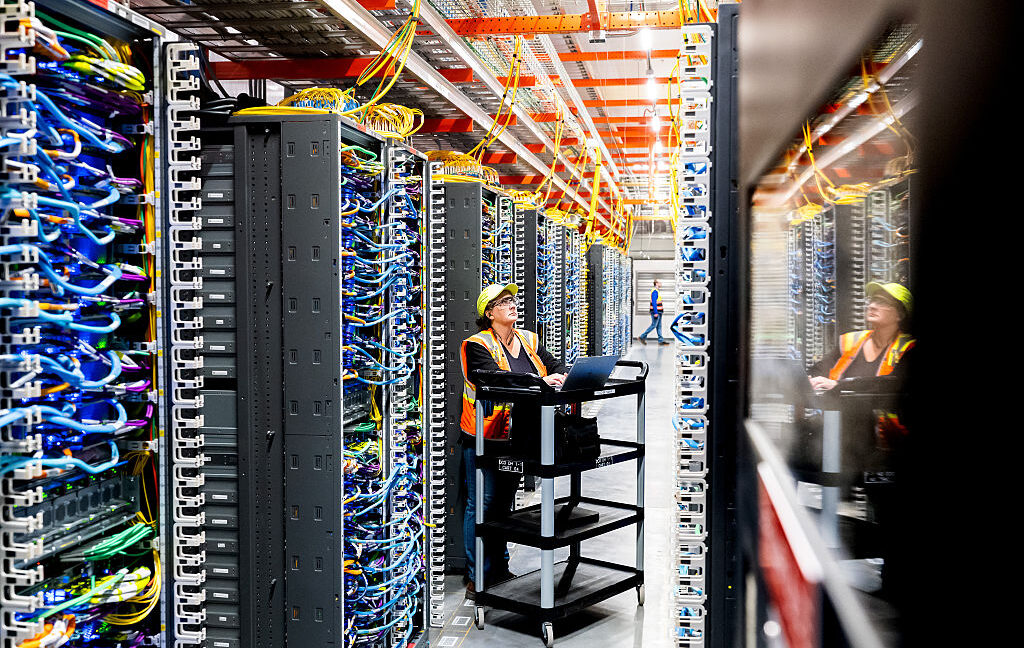
Researchers from the Lawrence Berkeley National Laboratory have expressed uncertainty regarding the long-term effects of sustained data center load growth on average costs and prices. They acknowledge that in certain circumstances, a surge in energy demand can lead to substantial and immediate increases in retail electricity prices. This underscores the unpredictable nature of the energy market in the face of new, large-scale consumers.
Senators maintain that until corporations demonstrably contribute their fair share towards energy infrastructure, electricity bills are likely to continue their upward trajectory. This is particularly true in regions that are becoming hotspots for data center construction, making them more vulnerable to these cost shifts. The situation is increasing pressure on regulatory bodies to step in and find equitable solutions.
Experts believe the current utility business model, designed to spread system expansion costs across all users for the benefit of a reliable grid, needs re-evaluation. When a single entity consumes energy equivalent to an entire city, and that entity is owned by some of the world’s wealthiest corporations, fundamental assumptions about utility regulation warrant closer examination. Ensuring these facilities fully cover their connection and power infrastructure costs is becoming paramount.

![[post_title]](https://samony.com.ng/wp-content/uploads/2025/12/1765918887_When-and-where-to-watch-CD-Guadalajara-v-FC-Barcelona-300x188.jpg?lm=6941C8B3 "FC Barcelona Begins Copa del Rey Defense Against Guadalajara")

![[post_title]](https://samony.com.ng/wp-content/uploads/2025/12/1765918099_Its-not-proper-Man-shares-what-he-saw-people-doing-300x157.jpg?lm=6941C594 "Peller’s Car Crash Aftermath: Online Reactions to Towed Mercedes")
![[post_title]](https://samony.com.ng/wp-content/uploads/2025/12/ICPC-Reveals-Next-Action-After-Dangote-Petitioned-NMDPRA-Boss.jpg?lm=6941C3FC "ICPC Investigates NMDPRA Over Dangote Group’s Petition")

![[post_title]](https://samony.com.ng/wp-content/uploads/2025/12/1765917144_Why-This-Southern-Gem-Is-the-Perfect-Retirement-Spot-for-300x200.jpg?lm=6941C1D9 "Natchez, Mississippi: An Affordable Southern Gem for Retirement")


![[post_title]](https://samony.com.ng/wp-content/uploads/2025/12/1765918530_Desperate-search-launched-for-cat-allegedly-stolen-from-LA-county.png?lm=6941C742 "Amazon Driver Accused of Stealing Cat in Los Angeles County")
![[post_title]](https://samony.com.ng/wp-content/uploads/2025/12/1765918887_When-and-where-to-watch-CD-Guadalajara-v-FC-Barcelona-1024x640.jpg?lm=6941C8B3 "FC Barcelona Begins Copa del Rey Defense Against Guadalajara")
