

The PDC World Darts Championship at London’s iconic Alexandra Palace has become synonymous with dramatic finishes, passionate crowds, and an unexpected, tiny resident: the “Ally Pally wasp.” This unassuming insect has gained legendary status among players and fans alike, widely regarded as a peculiar harbinger of good fortune for those who encounter it during their crucial first-round matches.
Recent tournament events have only amplified this superstition, with several top players experiencing close encounters that seemingly preceded significant victories. The phenomenon adds a unique, quirky dimension to the high-stakes competition, blending the intensity of professional sport with an element of unexpected folklore.
Teenage sensation Luke Littler, whose remarkable debut captured global attention, narrowly avoided an interaction with the elusive critter during his opening match against Darius Labanauskas. Littler, who later recounted dodging the pest during a post-match television interview, revealed the wasp had also made an appearance mid-game. Despite its presence, he delivered a dominant performance, securing a 3-0 victory with a formidable 101.54 average and seven maximum 180s.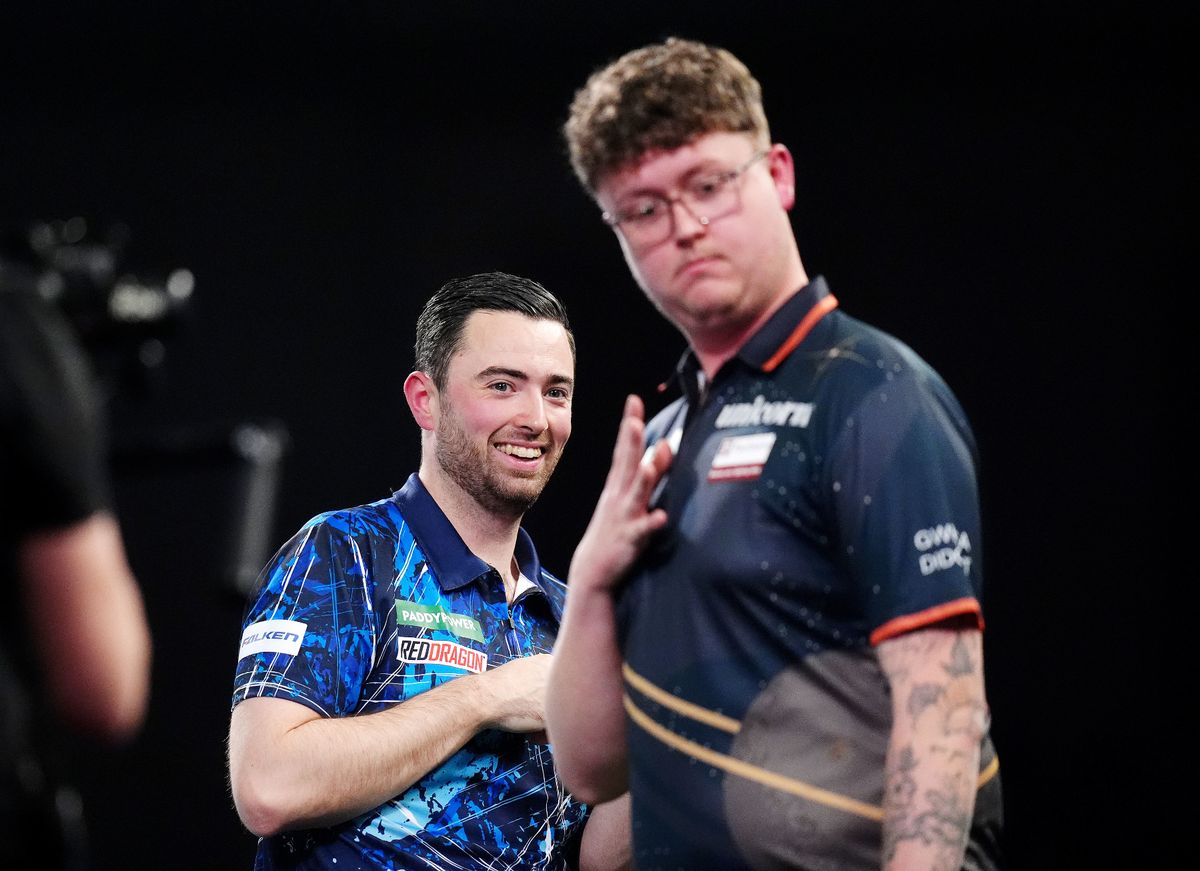
Other competitors have also reported similar experiences, reinforcing the growing legend. Nitin Kumar, for instance, made history by becoming the first Indian player to win a match at the championship after a distinctive encounter where he reportedly hit the wasp with a dart. Similarly, former world champion Rob Cross secured a comfortable 3-0 triumph over Cor Dekk, having had the wasp briefly settle on his shoulder during play, further cementing its reputation as a lucky charm.
Veteran players openly acknowledge and even embrace the superstition. Former world quarter-finalist Brendan Dolan expressed a firm belief in the wasp’s auspicious nature, noting, “Anybody who had the Ally Pally wasp, they were playing well.” He even suggested that Ross Smith, who was stung multiple times in the 2023 tournament, lost his good fortune immediately after swatting the insect away, underscoring the delicate balance of this unusual sporting omen.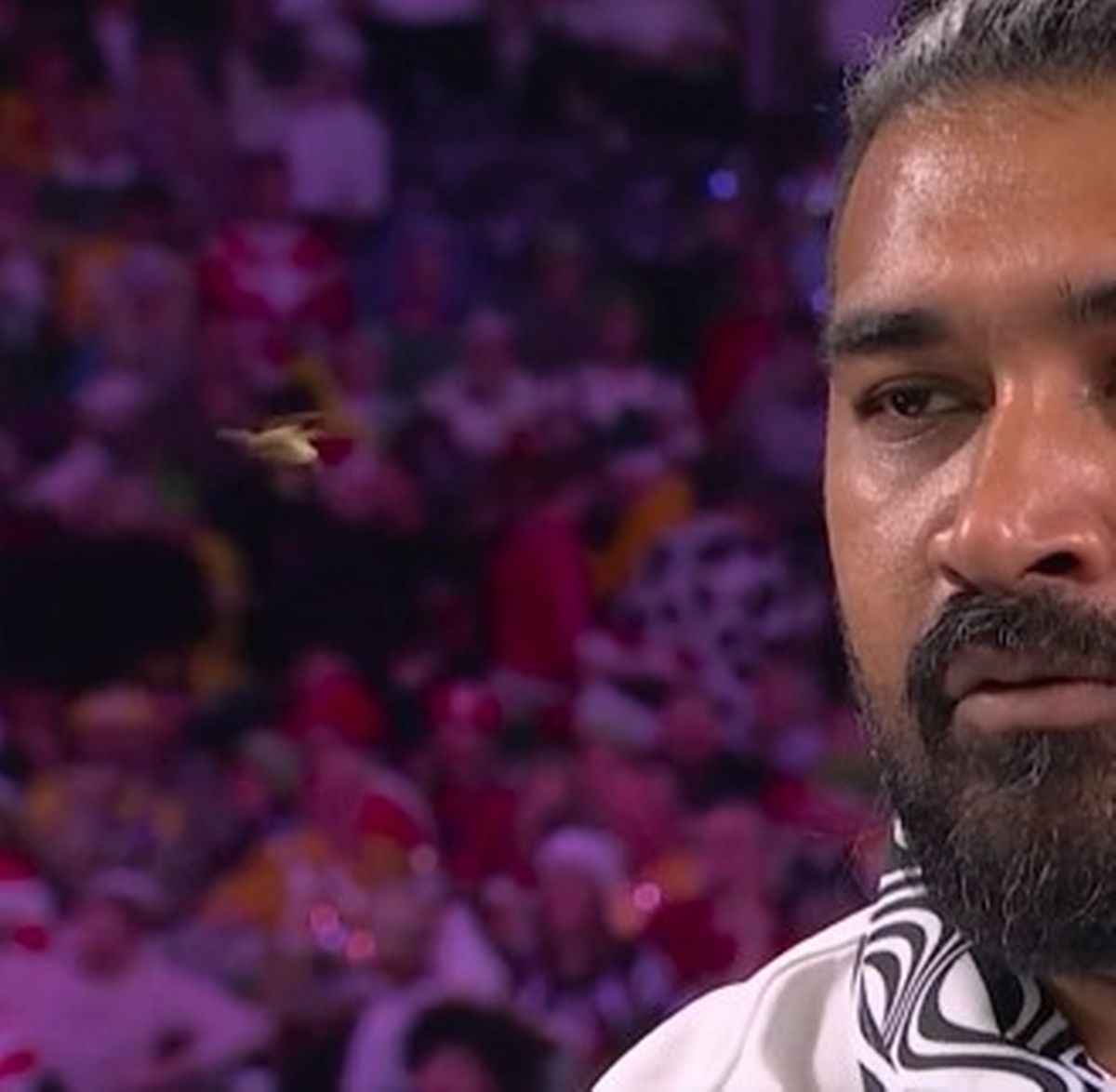
One of the most memorable incidents occurred in 2017 when Mensur Suljovic refused to harm a wasp that landed on his head and then crawled onto his shirt during a match against Kevin Painter. Despite calls from the crowd to dispatch it, Suljovic remained steadfast, stating, “I would never kill it. Never, never. I wasn’t scared. I just didn’t like it on my neck.” He went on to win 3-0, later affectionately calling it “my lucky wasp.”
In 2022, Canadian arrows ace David Cameron experienced a dramatic turnaround after a wasp began to bother him when he was 2-0 down in the third set against Richie Edhouse. After referee Russ Bray intervened to help, Cameron rallied remarkably, reeling off six consecutive legs to clinch a stunning 3-2 victory. He later mused that the wasp “might be lucky,” adding another chapter to the evolving lore.
The presence of wasps at Alexandra Palace, particularly during the winter months, has a rational explanation. The historic venue is known to host generations of wasps nesting in its rooftop nooks and crannies. Experts suggest that the intense heat and bright lights generated during the championship can disrupt their usual hibernation patterns, tricking them into activity. These roused insects are then drawn to the spilled lager, sugary drinks, and leftover food from the enthusiastic darts fans.
Regardless of the scientific rationale, the “Ally Pally wasp” has firmly established itself as an integral, if unconventional, part of the PDC World Darts Championship experience. It serves as a curious footnote to the tournament’s rich tapestry, adding an element of natural mystique and a unique shared superstition among players and spectators in one of professional sport’s most atmospheric arenas.

![[post_title]](https://samony.com.ng/wp-content/uploads/2025/12/1765930249_The-NHS-is-in-the-middle-of-a-flu-catastrophe.jpeg?lm=6941F509 "NHS Flu Crisis: Child’s Operation Amidst ‘Flunami’ Becomes Unexpected Celebration")
![[post_title]](https://samony.com.ng/wp-content/uploads/2025/12/1765929521_Erika-Kirk-describes-her-meeting-with-conspiracy-promoter-Candace-Owens.jpg?lm=6941F231 "Charlie Kirk Widow, Candace Owens Discuss Assassination Theories")
![[post_title]](https://samony.com.ng/wp-content/uploads/2025/12/1765928644_Police-Arrest-TikToker-Peller-Over-Reckless-Driving-Attempted-Su-icide-300x148.jpeg?lm=6941EEC5 "TikToker Peller Arrested For Reckless Driving After Live Stream Crash")
![[post_title]](https://samony.com.ng/wp-content/uploads/2025/12/FCT-traditional-rulers-community-leaders-vow-support-for-Tinubu-commend-300x225.jpg?lm=6941EF9C "FCT Leaders Pledge Support for Tinubu, Praise Minister Wike")


![[post_title]](https://samony.com.ng/wp-content/uploads/2025/12/ELIGIBILITY-DISPUTE-DR-Congo-Misled-FIFA-In-Player-Clearance-Process-461x1024.png?lm=6941F9DB "DR Congo Faces FIFA Probe Over Alleged Ineligible Players in World Cup Qualifiers")
![[post_title]](https://samony.com.ng/wp-content/uploads/2025/12/1765930964_NASCAR-US-news-Chandler-Smith-returning-to-Front-Row-Motorsports-1024x683.jpeg?lm=6941F7D7 "Chandler Smith Extends Front Row Motorsports Deal for 2026 Truck Season")
