

![[post_title]](https://samony.com.ng/wp-content/uploads/2025/11/1764167258_BBC-kids-TV-icon-found-dead-in-shed-after-splitting-1024x538.jpg?lm=69270E5C)
Analyzing the Tragic Loss of Daniel Postgate: A Reflection on the Entertainment Industry and Mental Health
The recent passing of Daniel Postgate, a significant figure in BBC children’s television, reverberates beyond mere headlines. Postgate, son of Oliver Postgate, helped shape the childhoods of many with shows like “Bagpuss” and “The Clangers.” His death, ruled as suicide following a battle with depression, anxiety, and blood cancer, prompts us to examine broader trends in the entertainment industry and our societal approach to mental well-being.
Daniel Postgate’s death underscores the intense pressures faced by creatives. He was discovered at his home in June, a time when he also received a letter from the NHS, about his diagnosis of myelodysplastic syndrome, a type of blood cancer. It also detailed aplastic anemia, a condition where the body fails to produce enough blood cells. This news heightened his health anxieties.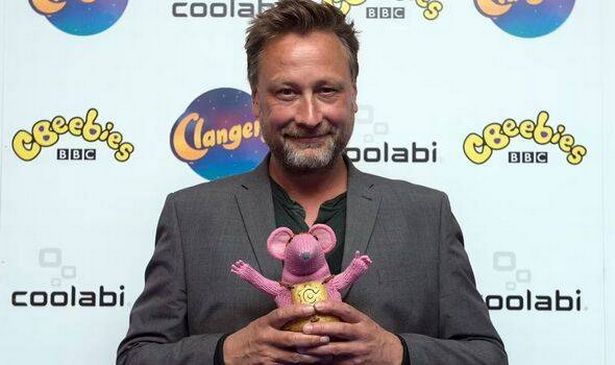 >
>
The entertainment world, while seemingly glamorous, often exacts a heavy toll. Long hours, constant scrutiny, and the pressure to innovate create an environment where mental health can easily take a backseat. It’s easy to say ‘seek help’, but systems and cultural norms need a fundamental shift. Are studios and production companies truly prioritizing the well-being of their employees, or is it merely lip service?
It’s worth pausing here. We’ve seen this narrative play out time and again. Talented individuals, often burdened by inner turmoil, reach a breaking point. The industry celebrates their achievements, but struggles to provide adequate support for their vulnerabilities.
Adding to this, the rise of social media has intensified the pressure. Celebrities and creatives are constantly “on,” expected to engage with fans and maintain a flawless image. This constant self-monitoring can exacerbate anxiety and contribute to feelings of inadequacy. Perhaps the demand for accessibility has come at too great a cost. >
>
Daniel Postgate’s story also highlights the complexities of dealing with serious illness. His brother, Simon Postgate, shared that Daniel had battled underlying depression for about 40 years. The NHS letter, confirming his blood cancer diagnosis, likely intensified his anxieties about his health and mortality. These struggles, compounded by the pressure to continue his creative work, paint a picture of immense personal burden.
The fact that Postgate had separated from his partner of 35 years shortly before his death further complicates the picture. Relationship breakdowns are inherently stressful, and when combined with existing mental health challenges and health concerns, the impact can be devastating. It serves as a stark reminder that even those who appear to have it all can be grappling with profound personal struggles.
This isn’t just about one man’s tragic story. It’s about recognizing patterns, questioning accepted norms, and pushing for change. The entertainment industry needs to foster a culture of openness and support, where individuals feel comfortable seeking help without fear of judgment or career repercussions. Mental health resources should be readily available and actively promoted.
Moreover, society as a whole needs to address the stigma surrounding mental illness. We need to encourage open conversations, educate ourselves about mental health conditions, and support organizations that provide vital services.
Consider the impact of shows like “Bagpuss” and “The Clangers.” These programs, characterized by their gentle humor and heartwarming stories, brought joy to countless children. It’s a sad irony that the man who contributed to such positive experiences battled such inner demons.
Daniel Postgate’s legacy should extend beyond his creative achievements. It should serve as a call to action, urging us to create a more compassionate and supportive world, where mental health is prioritized and individuals feel empowered to seek help when they need it most. It also needs to be acknowledged that sometimes support isn’t enough. Individual circumstances can converge to create unbearable pain, and judging from the outside is rarely helpful. We can only hope to learn from such tragedies and strive to build a better future.
The coroner’s remarks, stating that the reason for suicide can never truly be answered, resonate deeply. It’s a reminder that we can’t always understand the depths of another person’s suffering. Yet, by fostering empathy, promoting mental health awareness, and demanding systemic changes within the entertainment industry, we can honor Daniel Postgate’s memory and help prevent similar tragedies in the future. This requires a willingness to confront uncomfortable truths and challenge the status quo. Only then can we create an environment where creativity and well-being can coexist.


![[post_title]](https://samony.com.ng/wp-content/uploads/2025/12/1764786558_Singer-Peter-Okoye-opens-up-on-greatest-fear-in-life-300x183.jpeg?lm=69308181 "Mr. P’s biggest fear isn’t what you think, and it’s surprisingly relatable")
![[post_title]](https://samony.com.ng/wp-content/uploads/2025/12/1764786691_The-best-fitness-trackers-and-watches-weve-tested-for-2025-300x156.jpg?lm=69308206 "Top Fitness Trackers 2025: Reviews & Buying Guide")
![[post_title]](https://samony.com.ng/wp-content/uploads/2025/12/1500-PDP-members-have-defected-to-the-APC-in-Kebbi-300x162.jpg?lm=69307E4D "Kebbi Defections: Ground Truth vs. Political Theater")


![[post_title]](https://samony.com.ng/wp-content/uploads/2025/12/1764786928_Canada-puts-new-restrictions-on-pistachios-from-Iran-amid-salmonella.jpg?lm=693082F2 "Canada Imposes Tighter Controls on Iranian Pistachios Due to Salmonella Outbreak")
