


Cypriot fishermen are actively transforming a major ecological challenge into a culinary opportunity, fighting the proliferation of venomous lionfish by introducing them as a delicacy on local menus. This innovative approach seeks to mitigate the severe threat posed by invasive species, which have decimated indigenous fish stocks and jeopardized the livelihoods of hundreds of professional fishermen across the island nation. The strategy offers a promising pathway to manage the escalating environmental and economic pressures in the warming Mediterranean.
The Indo-Pacific lionfish, distinctive with its vibrant stripes and venomous spines, has rapidly established itself in the East Mediterranean, posing a significant danger to native marine biodiversity. Alongside the equally destructive silver-cheeked toadfish, another Red Sea migrant, these species are wreaking havoc on local ecosystems. While the toadfish is inedible due to a lethal toxin and its powerful jaws damage fishing gear, the lionfish presents a unique chance for intervention through gastronomic innovation.
Veteran fisherman Photis Gaitanos, who has fished off Larnaca for four decades, recounts a stark decline in traditional catches like red mullet, a consumer favourite. “Our income, especially since these two foreign species appeared, has become worse every year,” Gaitanos states, highlighting the existential threat to his profession. The warming Mediterranean Sea, heating approximately 20 per cent faster than the global average, coupled with the expanded Suez Canal, has created an ideal corridor for these Indo-Pacific invaders.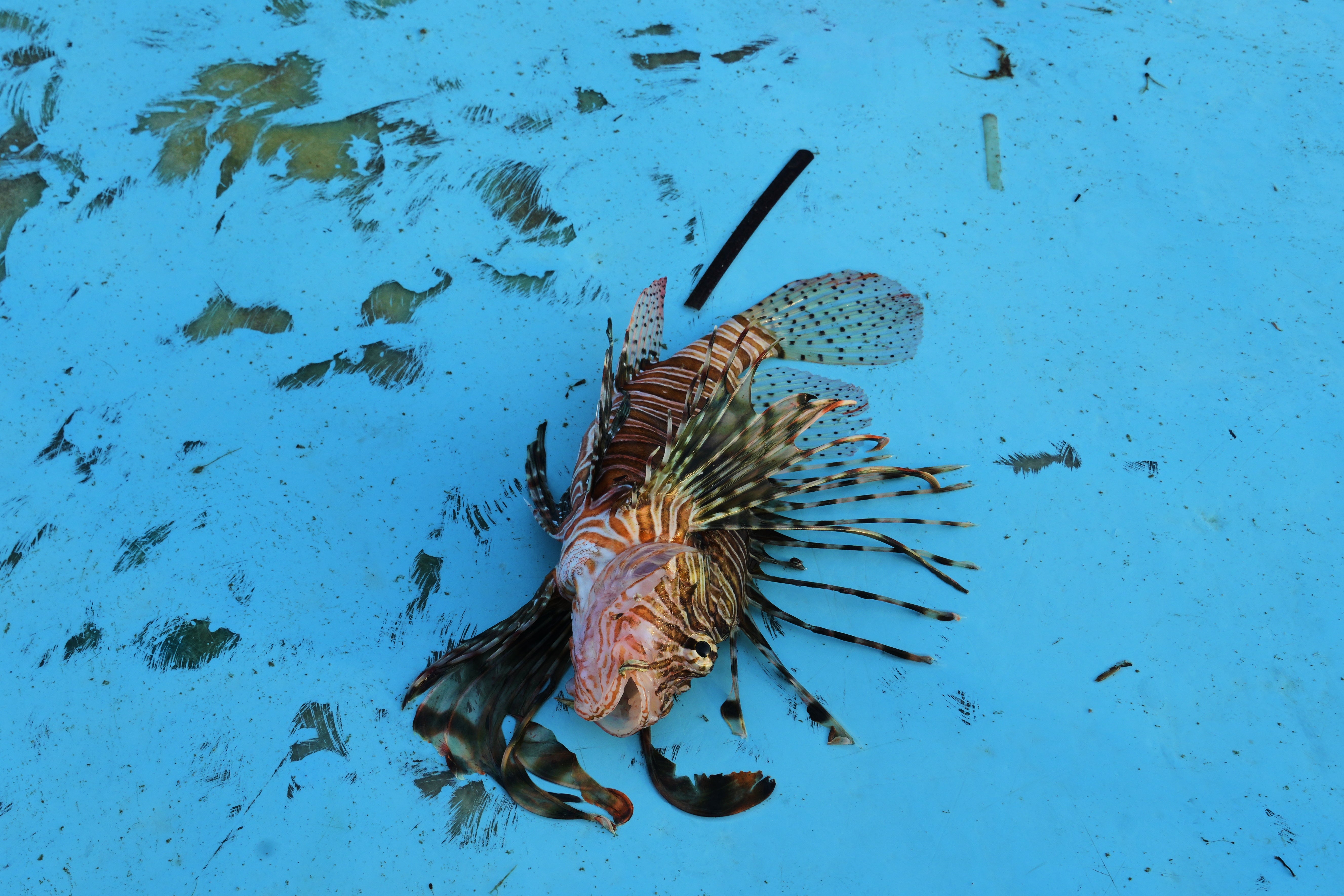
This environmental shift has opened “the floodgates” to numerous non-native species, according to Cyprus’ Fisheries Department. European Union Fisheries Commissioner Costas Kadis, a Cypriot, emphasizes that more frequent and intense extreme weather events, often linked to climate change, further enhance the Mediterranean’s hospitality to these invaders. The consequences are dire for Europe’s fishing industry, with diminishing catches and rising costs from repairs to gear damaged by resilient intruders.
Commissioner Kadis underscored the broader implications, stating, “The native marine biodiversity of a specific region, as in the case of Cyprus, faces heightened competition and pressure, with implications for local ecosystems and industries dependent on them.” This ecological imbalance directly impacts the economic viability of traditional fishing communities, driving urgent calls for effective intervention and support from governing bodies.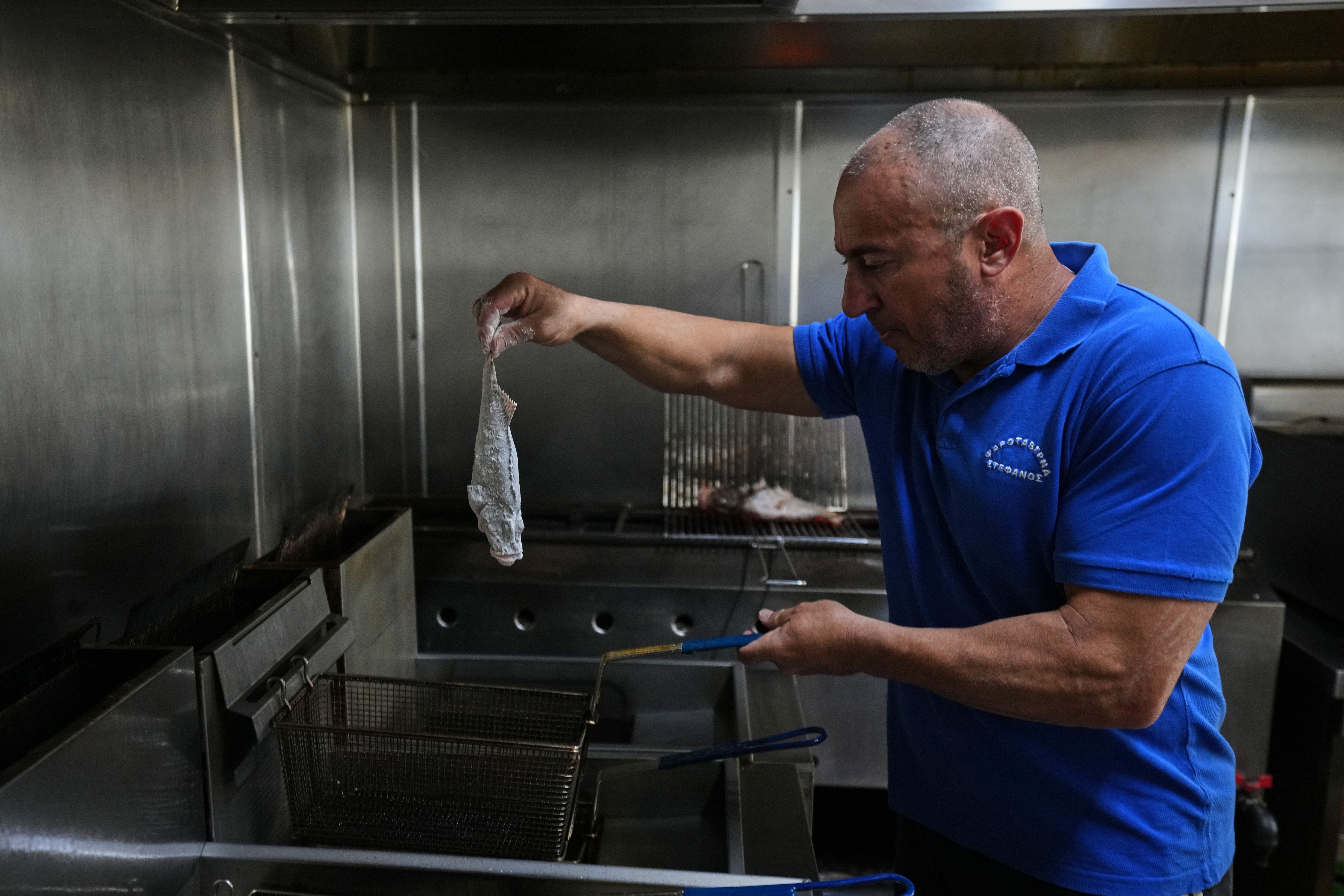
In response, the European Union has implemented several initiatives. An EU-funded compensation programme, enacted in 2024, pays fishermen approximately €4.73 per kilogram to catch toadfish, which are then incinerated to control their population. Another project, RELIONMED, launched in 2017, mobilises around 100 scuba divers to cull lionfish in sensitive marine areas, though officials acknowledge these efforts provide only temporary relief, buying time for native species to recover.
The most promising long-term solution lies in public engagement and culinary adoption. A social media campaign, TasteTheOcean, initiated in 2021, actively promotes invasive species like lionfish as a tasty and sustainable alternative. Top European chefs and influencers have joined the initiative, with renowned Cypriot chef Stavris Georgiou developing specific lionfish recipes to showcase its versatility and flavour profile.
Local tavernas and fish restaurants across Cyprus are increasingly featuring lionfish on their menus, often as part of traditional meze platters, despite initial public unfamiliarity. Stephanos Mentonis, who operates a popular fish tavern in Larnaca, notes that while most customers are new to lionfish, its fluffy and tender meat holds its own against established favourites like sea bream. Crucially, lionfish is also competitively priced, often less than half the cost of popular fish like sea bass, making it an attractive option for consumers.
“By incorporating invasive species such as lionfish into our diet, we can turn this challenge into an opportunity for the fisheries sector and at the same time help limit the environmental threat caused by these species,” Commissioner Kadis affirmed. This collaborative effort, blending scientific management with market-driven demand, represents a significant step towards managing the ecological crisis while simultaneously providing economic relief and diversifying the culinary landscape of the Mediterranean.








