Cypriot fishermen confront a significant threat to their livelihoods and the marine ecosystem as invasive lionfish and silver-cheeked toadfish proliferate in warming Mediterranean waters. However, an innovative culinary initiative is transforming the venomous lionfish from an ecological menace into a sought-after delicacy, aiming to mitigate environmental damage and bolster local fishing economies. This strategic pivot highlights a broader effort to adapt to the profound changes impacting the region’s marine biodiversity.
Veteran fisherman Photis Gaitanos, accustomed to catching native staples like sea bream and red mullet, now predominantly nets the striking, yet venomous, lionfish. These Indo-Pacific invaders, characterised by their distinctive red-orange stripes and spiny barbs, severely threaten indigenous fish populations and the economic stability of Cyprus’s approximately 150 professional fishermen. Compounding the issue is the silver-cheeked toadfish, a formidable predator known for its powerful jaws that damage fishing gear and its lethal toxin, rendering it inedible.
The escalating presence of these invasive species has profoundly impacted the fishing industry, particularly in areas like Larnaca, once renowned for its abundant marine life. Mr. Gaitanos, reflecting on his four decades in the profession, laments a sharp decline in income and the virtual disappearance of consumer favourites such as red mullet from his nets. He stresses the long-term implications, stating, “Our income, especially since these two foreign species appeared, has become worse every year. It is now a major problem affecting the future of fishing.”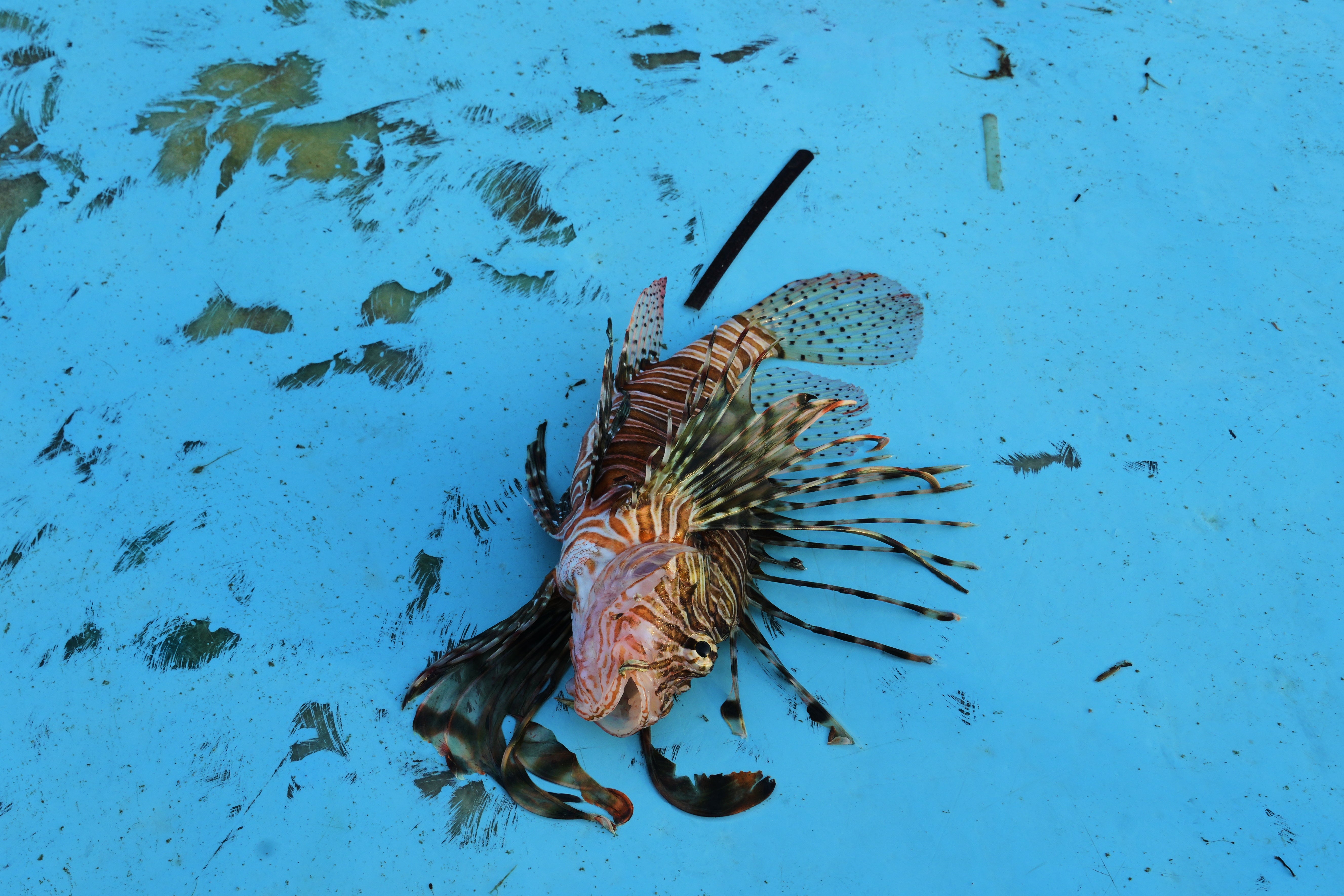
Scientific consensus points to warming Mediterranean waters, heating approximately 20 per cent faster than the global average, as a primary catalyst for this ecological shift. The expanded Suez Canal has also created an “open floodgate” for Indo-Pacific species, according to Cyprus’s Fisheries Department. Models suggest that if current trends persist, lionfish could infest the entire Mediterranean basin by the century’s end, with EU Fisheries Commissioner Costas Kadis noting that more frequent extreme weather events further enhance the region’s hospitality to these invaders.
In response to this escalating crisis, the European Union has implemented several initiatives. An EU-funded compensation programme, launched in 2024, offers fishermen approximately €4.73 per kilogram to catch silver-cheeked toadfish, which are subsequently incinerated to control their numbers. Complementing this, the RELIONMED project, initiated in 2017, mobilises around 100 scuba divers to actively cull lionfish in vulnerable marine areas. While these efforts provide temporary relief and help native species recover, authorities acknowledge they do not offer a permanent solution to the ongoing invasion.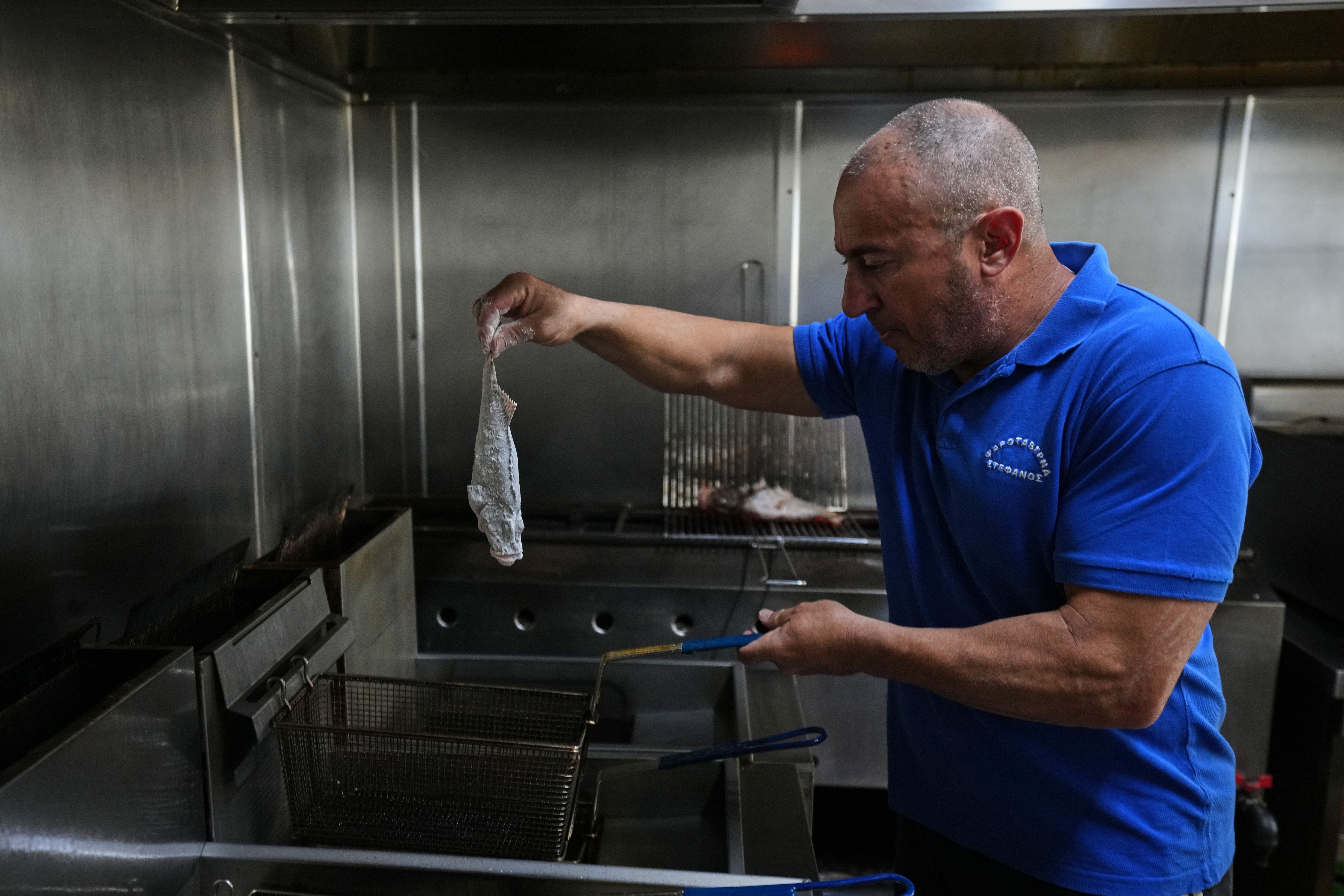
A more sustainable, long-term strategy focuses on transforming the lionfish from an environmental threat into a culinary asset. A social media campaign, TasteTheOcean, launched in 2021, actively promotes invasive species, including lionfish, as a delicious and environmentally responsible alternative to traditional seafood. Top European chefs and influencers have lent their support, with renowned Cypriot chef Stavris Georgiou developing bespoke lionfish recipes to encourage public acceptance.
This culinary initiative is gaining traction within Cyprus’s vibrant dining scene, particularly in local tavernas known for their extensive meze offerings. Many establishments are now featuring lionfish on their menus, carefully prepared after its venomous spines are removed. The fish is also competitively priced at the Larnaca harbour fish market, often less than half the cost of popular native species like sea bass, making it an attractive option for consumers. Commissioner Kadis views this approach as a dual opportunity, stating, “By incorporating invasive species such as lionfish into our diet, we can turn this challenge into an opportunity for the fisheries sector and at the same time help limit the environmental threat.”
Stephanos Mentonis, proprietor of a popular Larnaca fish tavern, has embraced lionfish, integrating it into his meze selection to introduce it to a broader clientele. Despite initial unfamiliarity among his customers, Mr. Mentonis highlights the fish’s fluffy and tender texture, asserting its flavour stands up well against established favourites like sea bream. He confidently states, “When they try it, it’s not any less tasty than any other fish,” underscoring the potential for widespread acceptance and a significant shift in local dining habits.