Nigeria Customs Service Dominates Maritime Cup: A Deeper Look at the Victory
The Nigeria Customs Service (NCS) recently clinched their sixth Maritime Cup title, overcoming the Nigerian Ports Authority (NPA) in a 4-1 victory. Seeing it, a straightforward sports story, is one thing. Analyzing the ripples this win creates within the maritime industry and beyond? That’s where it gets interesting.
The match, by all accounts, delivered a spectacle. Reports describe early dominance by NCS, a spirited comeback attempt by NPA, and ultimately, a decisive victory for Customs. Captain Abubakar Mikail’s performance, particularly his acrobatic opening goal, certainly set the tone. Yet, beyond the on-field action, this win underscores something deeper about the NCS. >
>
Think about it: consistency is tough to maintain. The Maritime Cup isn’t just about a single game; it reflects sustained effort and investment in sporting talent within the Customs Service. Six titles don’t happen by accident. They signal a commitment to building a winning culture. This commitment might extend beyond sports and seep into the agency’s operations. Does a focus on teamwork and discipline on the field translate to improved efficiency and reduced corruption? I wonder.
NPA’s loss, however, shouldn’t be glossed over. The report notes their resilience and a quick counter-attack that briefly leveled the score. However, the second-half unraveling raises questions. Did fatigue play a role? Was their strategy effectively countered? More importantly, how will this defeat impact morale and future performance?
The match wasn’t without controversy. A disputed offside call leading to NCS’s second goal sparked outrage among NPA fans and a temporary suspension of play. These incidents highlight the emotional intensity of the rivalry and the ever-present challenge of maintaining fair officiating in high-stakes games. It is worth noting that these moments, while contentious, also add to the drama and excitement that draw fans to these events.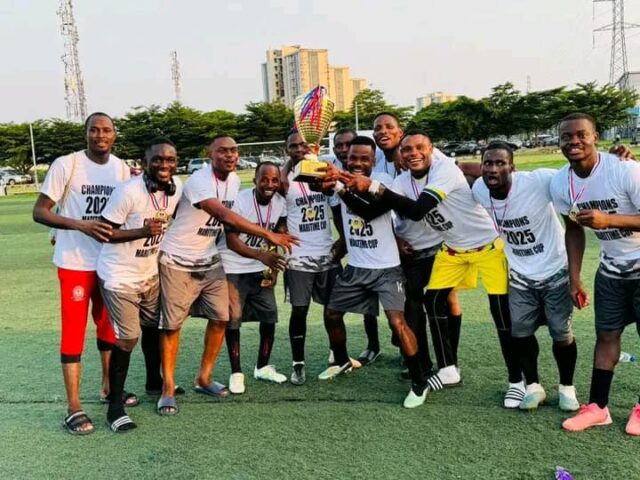 >
>
Ejections added another layer of complexity. The red cards issued to players from both sides suggest a match filled with aggressive plays and escalating tensions. Was this simply a case of heightened emotions in a championship game, or does it reflect deeper rivalries and potentially problematic on-field behavior? I’ve seen similar patterns in other industries – intense competition sometimes spills over into less-than-ideal conduct.
The accolades awarded to NCS players – Adeniran Afeez as MVP, Abubakar Mikail as top scorer, and Ahmad Shamsu as best goalkeeper – reinforce the narrative of Customs’ dominance. Awards recognize individual brilliance, but they also spotlight the effectiveness of the team as a whole. The question then arises: what specific strategies or training methods are NCS employing that contribute to such consistent success?
This Maritime Cup victory for the Nigeria Customs Service is more than just a sports story; it’s a reflection of organizational culture, strategic investment, and the complexities of competition within the maritime sector. The victory underscores the agency’s commitment to sporting excellence and perhaps signals a broader focus on discipline and teamwork. Still, the controversies and challenges faced during the match remind us that even in victory, there are lessons to be learned and improvements to be made.


![[post_title]](https://samony.com.ng/wp-content/uploads/2025/12/1764867688_Gen-Z-admit-to-overthinking-in-winter-as-half-use-300x158.png?lm=6931BE6C "Gen Z’s Winter Overthinking: Tech Dependence vs. Grounding Solutions")
![[post_title]](https://samony.com.ng/wp-content/uploads/2025/12/Iran-Sends-Delegation-To-World-Cup-Draw-After-Threats-To.jpg?lm=6931BEBA "Navigating Geopolitics: Lessons from Iran’s World Cup Dance and the Ever-Present Data Game")
![[post_title]](https://samony.com.ng/wp-content/uploads/2025/12/1764867072_Lego-announces-NASA-Artemis-SLS-rocket-set-to-lift-off-300x169.jpg?lm=6931BC04 "LEGO’s Artemis: More Than a Toy, a Gateway to STEM Engagement?")

![[post_title]](https://samony.com.ng/wp-content/uploads/2025/12/1764869561_Wizkid-Set-to-Host-GOAT-Concert-in-Lagos-This-December.jpeg?lm=6931C5BB "Wizkid’s Lagos Show: True Homecoming or Calculated Move?")