The tragic Crans-Montana bar fire update continues to unfold with disturbing revelations about critical safety lapses. What began as a New Year’s Day celebration in the picturesque Swiss ski resort quickly turned into a devastating tragedy, claiming 40 lives and injuring 116 others. Recent disclosures from the Crans-Montana mayor have cast a stark light on the lack of proper safety inspections at the ill-fated “Le Constellation” bar, raising serious questions about accountability and preventive measures.
The inferno, which prosecutors believe originated from sparkling candles igniting the ceiling’s soundproof foam in the bar’s basement, ripped through the venue in the early hours of January 1st. Many of the victims were teenagers, amplifying the heartbreak and prompting an urgent search for explanations from Swiss authorities. The sheer scale of casualties has led to widespread speculation and investigation into potential overcrowding and inadequate emergency provisions.
A pivotal point in the ongoing inquiry is the revelation that the bar had not undergone its mandated annual safety inspections since 2019. Crans-Montana Mayor Nicolas Feraud expressed deep regret, stating that his team had no indication that these crucial checks had been neglected. This lapse in regulatory oversight is a central focus for investigators attempting to understand how such a preventable disaster could occur in a modern, well-regulated nation.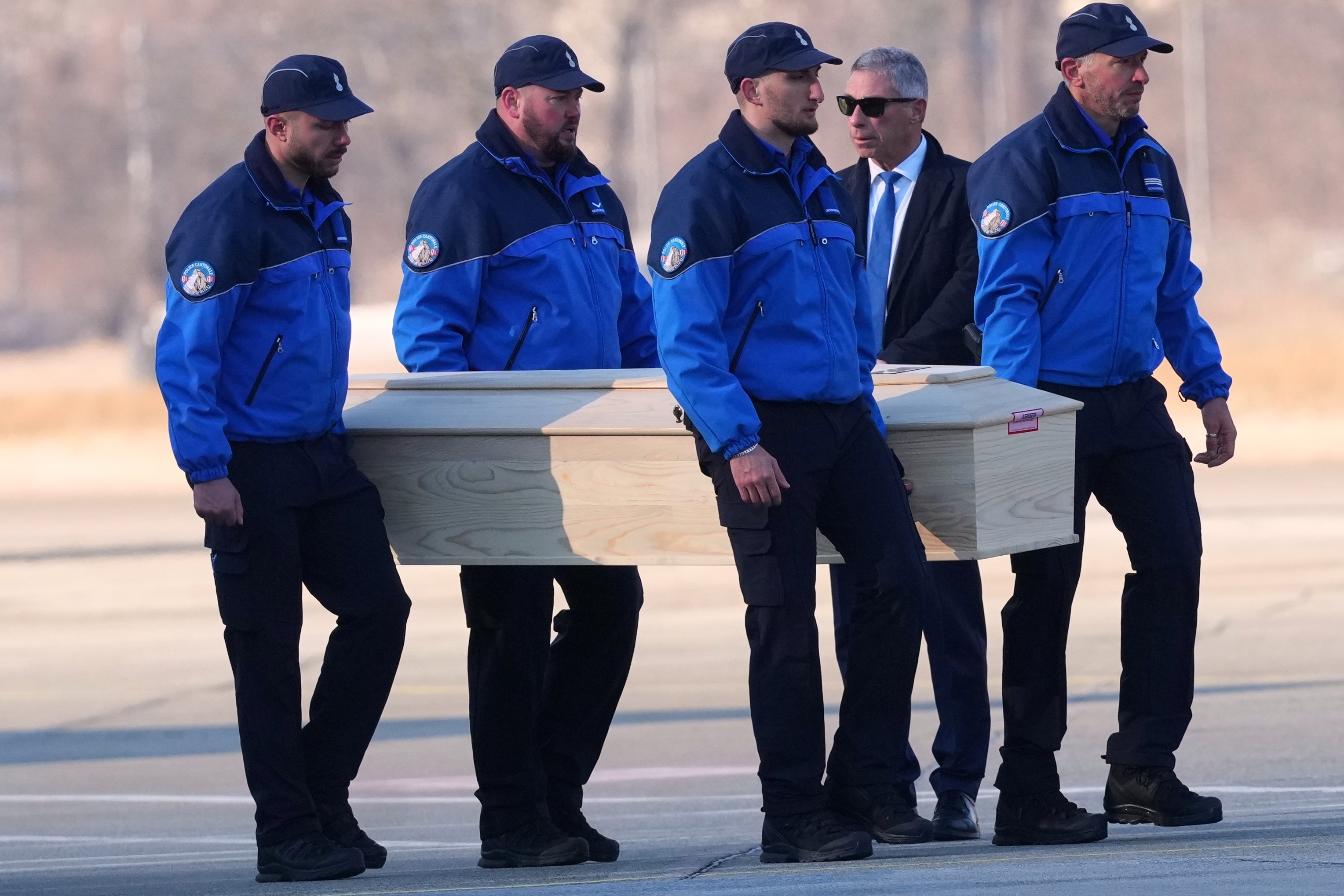
What is bar safety negligence? Bar safety negligence refers to a venue’s failure to adhere to established safety protocols, regulations, or a reasonable standard of care, leading to harm or injury. This can include neglecting fire inspections, failing to maintain emergency exits, using hazardous materials, or allowing overcrowding, all of which contribute to a dangerous environment for patrons.
Authorities are currently investigating the two individuals who managed the “Le Constellation” bar on suspicions of homicide by negligence. While they are not currently under arrest due to a lack of flight risk, the investigation continues to scrutinize the specifics of the incident. Questions persist about the soundproof foam’s flammability, which was deemed acceptable in its last inspection in 2019, and the functionality of emergency exits designed for a lower capacity than the potential crowd.
A key contributing factor identified in the Crans-Montana bar fire was the use of sparkling candles, which ignited the ceiling. Sparkler candles vs real candles safety presents a significant difference: while real candles pose an open flame risk, sparklers produce intense heat and sparks that can easily ignite flammable materials, especially in enclosed spaces or near combustible decorations, making them a far greater hazard indoors. Following the tragedy, sparkler candles have been banned inside venues across Crans-Montana.
The incident underscores the critical distinction between proactive vs reactive fire safety measures. Proactive strategies, like regular inspections, proper material selection, and staff training, aim to prevent fires. Reactive measures, such as emergency exits and alarms, are crucial for mitigation during an incident. How to improve bar fire safety involves a comprehensive approach, prioritizing preventative actions and ensuring that all safety equipment is regularly maintained and functional.
This tragic event has prompted a re-evaluation of Swiss bar inspection laws and their enforcement. While existing statutes outline requirements, the gap in annual checks at “Le Constellation” highlights potential systemic vulnerabilities. A robust nightclub fire safety guide should encompass not only structural requirements but also operational procedures, including crowd control, staff training for emergencies, and strict adherence to fire-resistant material standards.
Beyond nightclubs, restaurant fire safety tips are equally vital for public venues. These often include ensuring kitchens have working fire suppression systems, maintaining clear exit routes, storing flammable liquids properly, and regularly inspecting electrical wiring. The Crans-Montana incident serves as a grim reminder that no venue, regardless of its perceived safety, is immune to the risks of fire without continuous vigilance and adherence to safety protocols.
Looking ahead, the focus must shift towards strengthening future safeguards. Discussions around bar safety regulations 2026 and a comprehensive fire safety inspections guide 2026 are imperative to prevent similar tragedies. This forward-thinking approach will involve updating building codes, mandating stricter inspection frequencies, and educating venue owners on the latest fire prevention technologies and best practices to protect patrons.
In conclusion, the ongoing Crans-Montana bar fire update serves as a powerful and somber lesson in the critical importance of unwavering commitment to public safety. The devastating loss of life could have potentially been averted had annual safety inspections been consistently carried out and regulations strictly enforced. As investigations continue, the hope remains that this tragedy will lead to meaningful reforms, ensuring that such a catastrophic failure of oversight is never repeated in any public venue.