


The controversy surrounding Nollywood actress Ini Edo’s forthcoming film, “Dirty Christmas”, has escalated, drawing significant intervention from Catholic priest Fada Oluoma. The Christian Association of Nigeria (CAN) had previously demanded the movie’s removal, alleging that its title disrespects and demeans the Christian faith. This burgeoning dispute highlights the persistent tensions between creative expression and religious sensibilities within Nigeria’s dynamic cultural landscape.
CAN’s call for the film to be pulled down was primarily predicated on its title, which the association deemed offensive to Christian beliefs. Following this explicit threat, Ini Edo publicly appealed for understanding and clarification, steadfastly asserting that the film’s actual content does not ridicule or demean Christianity. She proactively challenged critics to view the movie and identify any genuinely offensive scenes, underscoring the substantial artistic and financial investment made in its production.
Reacting to Ini Edo’s widely circulated appeal, Fada Oluoma acknowledged what he described as CAN’s legitimate right to challenge content perceived as offensive to the faith. However, he critically distinguished between a film’s title and its comprehensive cinematic work. The priest argued that any substantive action, such as censorship or withdrawal, must be founded upon a thorough review of the film’s narrative, themes, and visual content, rather than solely its nomenclature.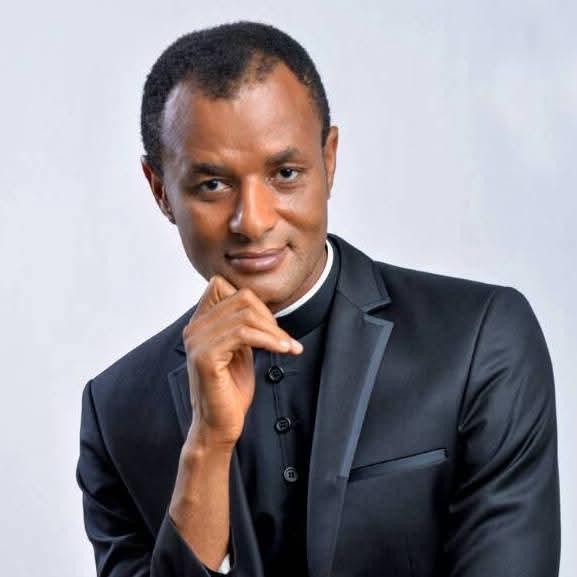
Fada Oluoma stipulated that for the movie to be fairly assessed and judged, CAN should first watch the film in its entirety. He posited that it is inappropriate to sabotage or destroy a creative work, particularly one involving significant financial and artistic resources, based purely on its title. This condition underscores a fundamental call for due diligence and a content-first approach to criticism and evaluation.
The priest further clarified the jurisdictional boundaries regarding film regulation in Nigeria, emphasising that decisions concerning movie censorship or withdrawal fall under the exclusive purview of official government agencies, such as the Nigerian Film and Video Censors Board (NFVCB), rather than religious organisations. This position reinforces the established secular framework for media governance and content classification.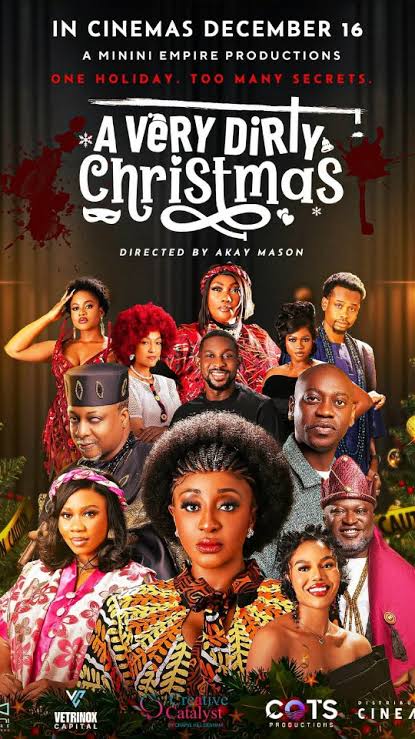
Fada Oluoma advised that unless “Dirty Christmas” demonstrably violates established national ethical or regulatory standards, it should be permitted to continue showing. While commending CAN for its role in defending Christian values, he concurrently issued a broader critique of the association, highlighting what he perceived as CAN’s relative silence on more pressing internal issues impacting the faith.
The cleric elaborated on these internal challenges, citing instances of alleged fake miracles, unverified prophecies, and the exploitation of worshippers by some church leaders. He contended that these issues pose a far greater and more insidious threat to the integrity and public perception of Christianity than a potentially controversial movie title. This perspective advocates for a re-evaluation of priorities for religious advocacy in the country.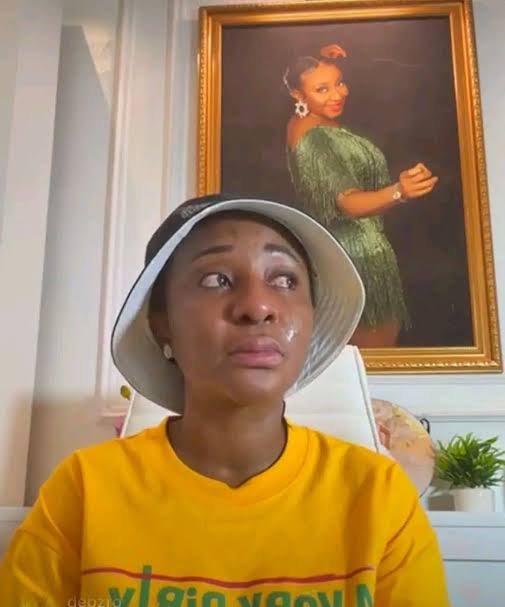
Fada Oluoma implored CAN to redirect its considerable influence and resources towards addressing these systemic internal problems. He suggested that confronting such deep-seated ethical and pastoral concerns would ultimately serve the Christian faith more effectively than engaging in public disputes over film titles. This call for introspection resonates with broader debates on the evolving role of religious bodies in modern Nigerian society.
The controversy surrounding “Dirty Christmas” is not an isolated incident, reflecting a recurring tension within Nigeria’s vibrant Nollywood industry, which frequently navigates the delicate balance between creative freedom and societal norms. Films often face intense scrutiny from various cultural and religious groups, underscoring the powerful influence these bodies exert in shaping public discourse and artistic expression within the country.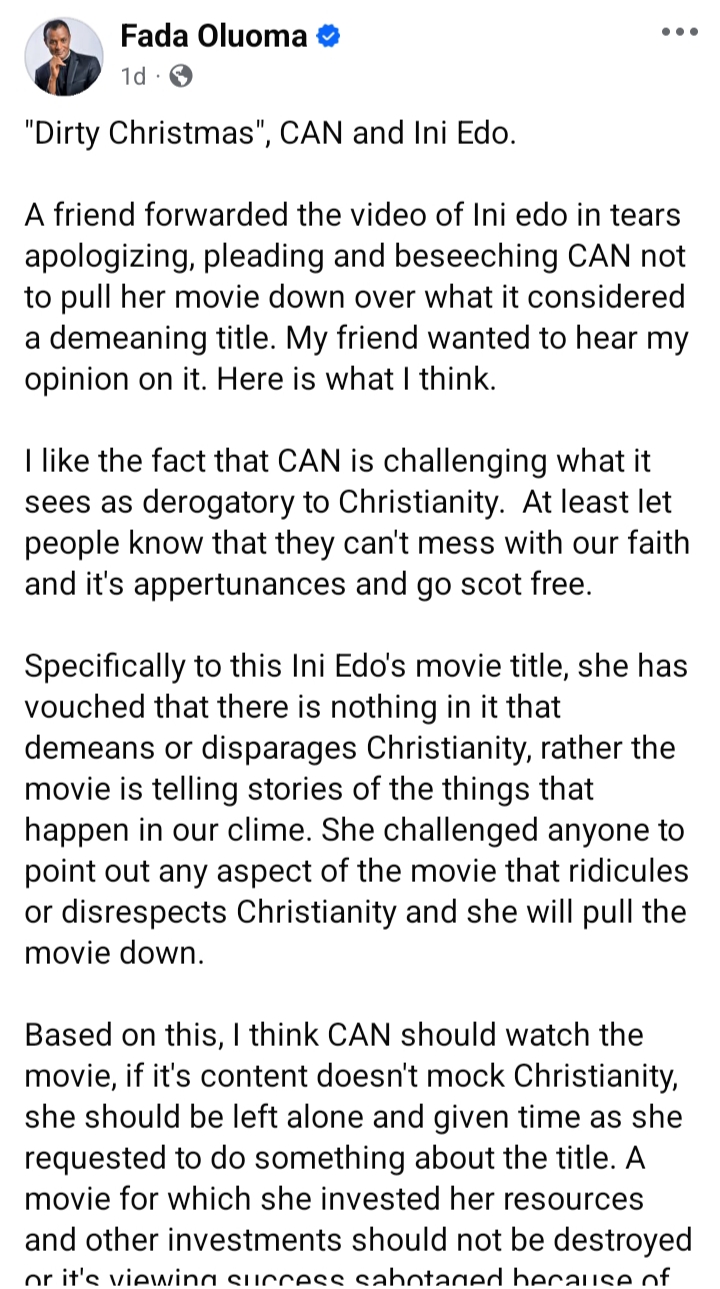
This incident serves as a significant case study, prompting broader discussions on the extent of religious organisations’ authority over artistic content and the precise process by which such content is evaluated for potential offense. It reinforces the necessity for clear guidelines and open dialogue between creators, regulators, and religious stakeholders to foster an environment that respects both artistic integrity and community values.



![[post_title]](https://samony.com.ng/wp-content/uploads/2025/12/1766562615_My-manhood-stopped-working-my-boy-died-after-300x162.jpg?lm=694B9B3B "Filmmaker Tope Adebayo Recounts Devastating Personal Toll of Jagun Jagun")



