

![[post_title]](https://samony.com.ng/wp-content/uploads/2025/12/1766160689_Can-you-tell-a-Christmas-number-one-from-a-number-1024x538.jpg?lm=69457934)
The annual quest for the coveted Christmas Number One spot remains a captivating tradition in the United Kingdom’s music charts, yet history reveals a fascinating paradox: some of the most beloved festive anthems have frequently missed the top position. This enduring challenge of distinguishing between chart-topping hits and those that consistently ranked just shy of first place underscores the unique cultural significance of seasonal music, where popularity and legacy often transcend peak chart performance. The phenomenon highlights a rich tapestry of musical nostalgia and competitive charting that defines the holiday season.
Wham!’s iconic “Last Christmas” exemplifies this intriguing dynamic, having achieved number one status in recent years despite its original release in 1984. For decades, the beloved track, penned by George Michael, consistently charted high, often securing the number two position, cementing its status as a perennial festive favourite. Its eventual ascension to the top spot in 2023 and again in 2024 underscored its timeless appeal and the enduring public affection for George Michael and Andrew Ridgeley’s work, showcasing a unique journey from near-miss to ultimate chart triumph.
Another staple of the festive season, The Pogues’ “Fairytale of New York,” featuring Kirsty MacColl, has similarly cemented its place in popular culture without ever reaching the coveted Christmas Number One. Despite its consistent presence in the Christmas Top 40 for two decades, the gritty yet poignant ballad has become synonymous with the holiday period, demonstrating that chart-topping status is not the sole arbiter of a song’s cultural impact or enduring appeal. Its consistent high performance speaks volumes about its deep-seated resonance with audiences.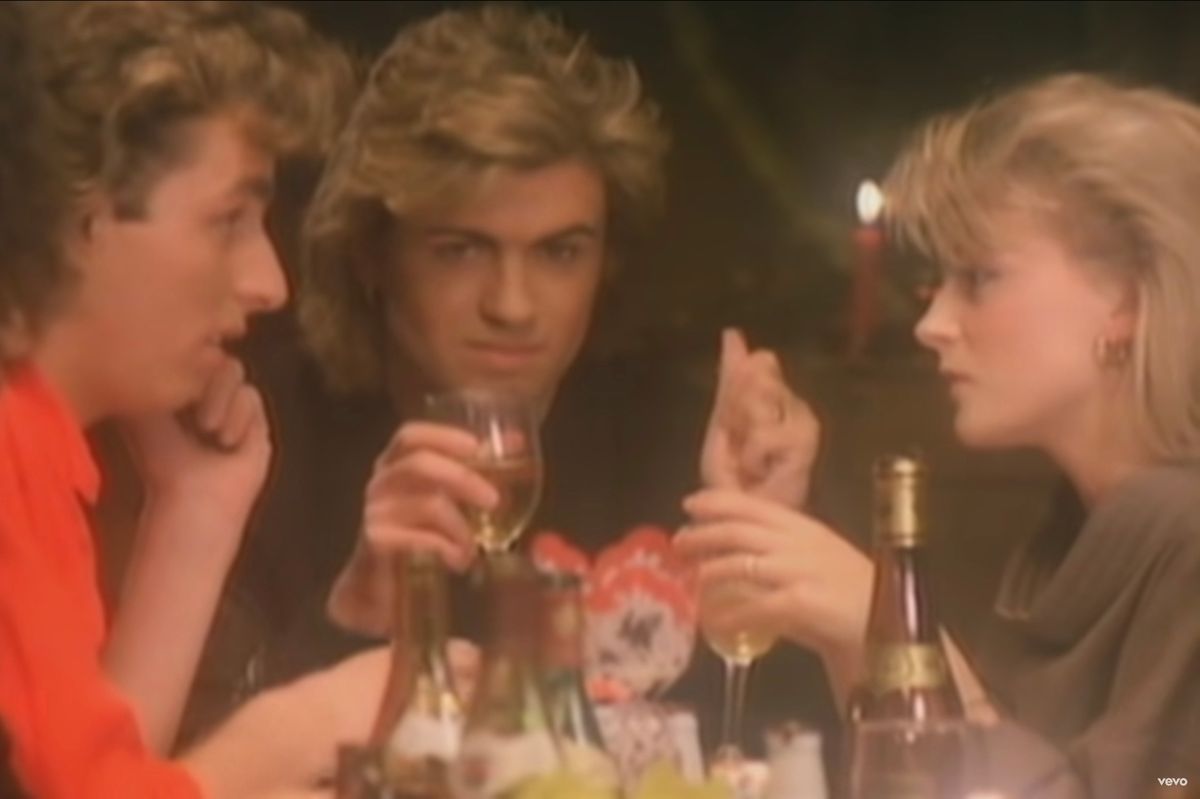
Historically, the Christmas charts have often been dominated by a diverse array of contenders, from novelty songs and charity singles to tracks by reality television show winners. This era, particularly during the years when X-Factor champions or figures like the sausage roll-obsessed charity fundraiser Ladbaby secured the top spot, frequently pushed established festive classics, including those now considered timeless, into second place. This competitive landscape created a unique challenge for many enduring favourites.
Intriguingly, a deep dive into past singles charts reveals that the festive number two can sometimes be even more memorable or culturally ingrained than the actual Christmas Number One of that year. This phenomenon suggests that a song’s longevity and emotional connection with the public often outweigh its singular peak chart position, especially when the number one spot was held by a fleeting novelty or a track with less enduring appeal. The near-misses frequently resonate more deeply over time.
This pattern encourages music enthusiasts and casual listeners alike to critically examine their festive music knowledge, prompting a closer look at which timeless classics actually claimed the top spot upon their initial release and which ones, despite their widespread popularity, narrowly missed out. It challenges the conventional wisdom that only number one hits achieve lasting cultural significance, proving that a song’s journey through the charts is often more complex and nuanced.
The enduring appeal of these festive near-misses speaks to a broader truth about popular music: genuine connection and repeated airplay can cultivate a legacy far beyond the initial chart battle. Songs like “Last Christmas” and “Fairytale of New York” have transcended their original chart performance to become integral parts of the holiday soundscape, proving that cultural longevity is often built on a foundation of emotional resonance rather than just a single week at the top.
The annual Christmas chart season thus serves as a compelling barometer of public sentiment, nostalgia, and evolving musical tastes. It highlights the unique blend of tradition and commercial competition that defines the festive period, offering a fascinating glimpse into the songs that capture the public’s imagination, whether they ultimately claim the top spot or achieve enduring iconic status from just below it.
Understanding the nuanced history of Christmas chart performance allows for a richer appreciation of these festive anthems. It underscores that while the pursuit of a Christmas Number One remains a significant industry milestone, the true measure of a song’s success during the holidays often lies in its ability to evoke cherished memories and become an indispensable part of millions of celebrations, year after year, regardless of its peak chart position.
This intricate dance between fleeting chart dominance and lasting cultural impact ensures that the debate over Christmas number ones and their equally beloved runner-ups will continue to fascinate. It solidifies the festive music charts as a unique cultural institution, reflecting not just sales figures, but the collective spirit and enduring musical preferences of a nation during its most celebrated season.

![[post_title]](https://samony.com.ng/wp-content/uploads/2025/12/1766159559_Canada-changes-chemical-regulations-to-curb-illegal-fentanyl-other-drugs-300x158.jpg?lm=694574C9 "Canada Bolsters Drug Laws to Disrupt Fentanyl, Methamphetamine Production")
![[post_title]](https://samony.com.ng/wp-content/uploads/2025/12/1766154658_Taylor-Swift-reveals-who-set-her-up-with-Travis-Kelce.jpeg?lm=694561A2 "Taylor Swift Reveals Mother Andrea Orchestrated Kelce Romance")

![[post_title]](https://samony.com.ng/wp-content/uploads/2025/12/Honda-wouldnt-even-be-in-top-10-without-MotoGP-engine-300x200.jpg?lm=6945624C "Honda’s 2025 Engine Upgrades Key to MotoGP Competitiveness, Says Espargaro")
![[post_title]](https://samony.com.ng/wp-content/uploads/2025/12/1766155403_Enzo-Maresca-gives-update-on-Chelsea-future-and-hits-back-300x214.jpeg?lm=6945648E "Maresca Dismisses Man City Links, Reaffirms Chelsea Commitment")
![[post_title]](https://samony.com.ng/wp-content/uploads/2025/12/Phones-were-fashionable-again-in-2025-300x156.jpg?lm=69456507 "Smartphones Embrace Bold Design and Fashion-Forward Accessories in 2025")


![[post_title]](https://samony.com.ng/wp-content/uploads/2025/12/1766159559_Canada-changes-chemical-regulations-to-curb-illegal-fentanyl-other-drugs.jpg?lm=694574C7 "Canada Bolsters Drug Laws to Disrupt Fentanyl, Methamphetamine Production")
