

![[post_title]](https://samony.com.ng/wp-content/uploads/2025/11/1764457782_Arrests-made-in-New-York-after-protesters-appear-to-foil-1024x683.jpeg?lm=692B7D3B)
Analyzing the Shifting Sands of Immigration Enforcement: A Critical Look at Recent Events
Recent events in New York City, where protestors seemingly disrupted a potential immigration raid, highlight the ongoing tensions surrounding immigration enforcement policies. We’ve seen this type of confrontation building for a while. It raises questions about strategy, public perception, and the evolving roles of both law enforcement and citizen activism.
The Independent’s report details a face-off in Chinatown. Protesters blockaded a parking garage, allegedly preventing ICE agents from exiting. Social media lit up with images of the standoff, adding fuel to the already fiery debate. It’s a visual reminder of the deeply divided opinions on immigration matters.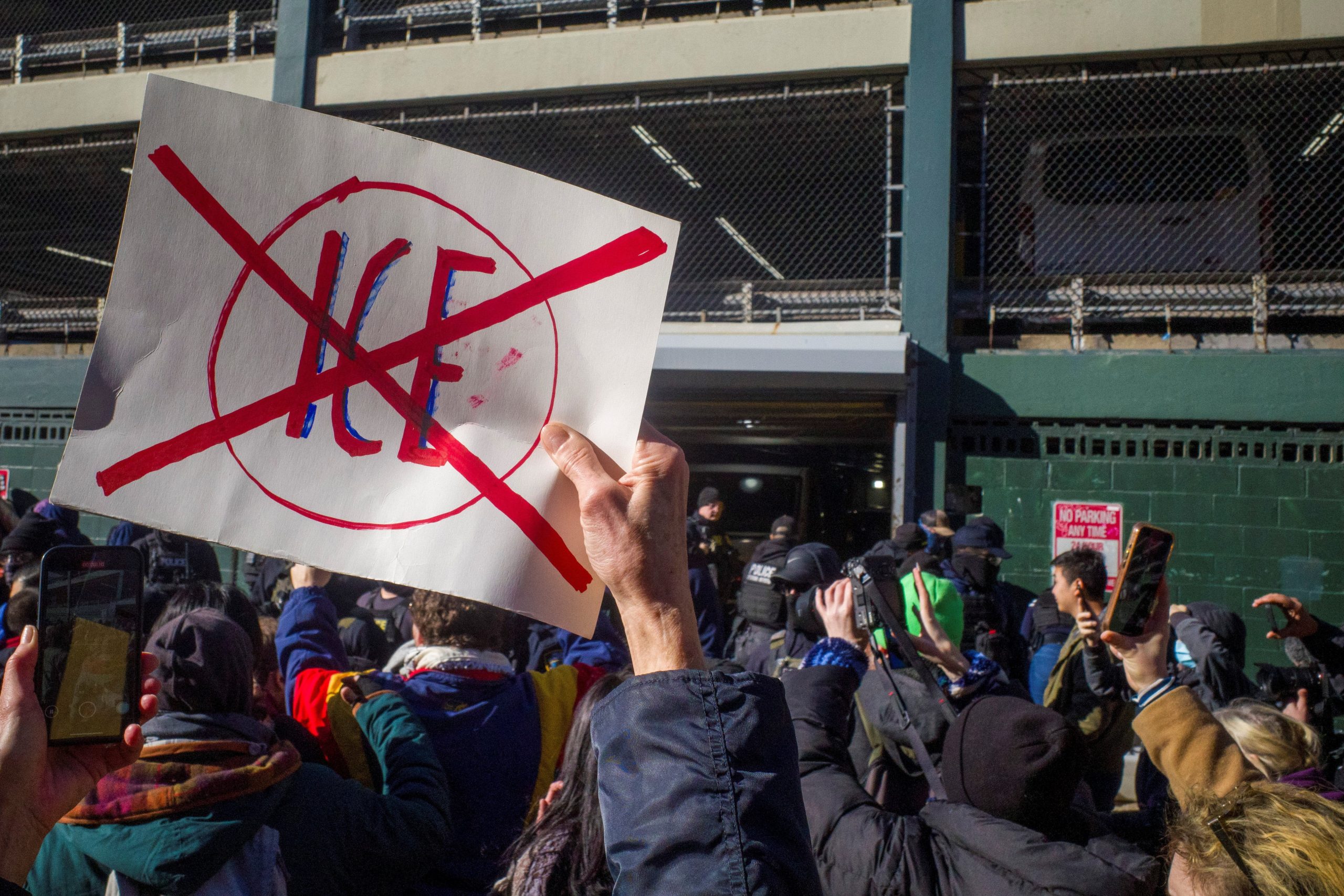 >
>
Customs and Border Protection and Homeland Security agents found themselves facing not just resistance, but active obstruction. Footage showed protesters using their bodies and even trash to block vehicles. Federal agents watched from above, a seemingly passive observation point. This is where the strategy is interesting; it’s almost like they’re testing the waters, assessing public reaction.
The NYPD responded to a “disorderly group” call. Several arrests occurred after the protesters allegedly refused to disperse. Yet, the situation only escalated. Even after agents left the garage, demonstrators persisted, employing recycling bins and trash bags as makeshift barricades. That paints a picture of significant dedication and maybe even desperation.
The New York Times estimated a crowd of 200 people. That’s not a small number. It underscores the level of community engagement – or perhaps, outrage – regarding these types of enforcement actions. It causes you to wonder, how much of this sentiment is localized, and how much resonates nationwide? >
>
It’s worth remembering a similar raid targeted vendors in Chinatown just last month. These repeated actions understandably stir up anxiety and resistance within the community. The memory of past incidents shapes the present response, intensifying the friction between residents and authorities.
Then you have Trump, who met with New York City Mayor-elect Mamdani not long ago. Following a seemingly cordial meeting, Trump downplayed the need for a federal presence in the city. “Other places need it more,” he said. It is quite a shift from earlier threats to send troops. Was that a change of heart? A calculated maneuver? It’s hard to say.
Neither Mamdani nor Mayor Adams have addressed this recent clash publicly. That silence speaks volumes. It could reflect a delicate balancing act, avoiding inflaming tensions further while navigating complex political pressures. Or, they could be waiting to get more information before commenting publicly.
This situation raises critical questions about the effectiveness of current immigration enforcement strategies. Does this approach genuinely deter illegal immigration? Or does it primarily serve to alienate communities and spark further conflict? A more effective approach must focus on the root causes of migration.
We also need to examine the role of protest in a democratic society. How far is too far when expressing dissent? When does peaceful demonstration cross the line into unlawful obstruction? The answers aren’t simple. It necessitates a balance between protecting free speech and maintaining public order.
Another point to ponder: how do these visible confrontations impact public perception of immigration? Do they foster empathy for migrants? Or do they reinforce negative stereotypes? The media’s portrayal plays a crucial role in shaping public opinion, so it’s very important to consider.
From my own experience observing these patterns, I see a growing disconnect between federal immigration policies and the lived realities of communities. A top-down approach, implemented without regard for local context, almost invariably leads to friction and mistrust.
Perhaps, the next step involves more community engagement. A sincere effort to listen to the concerns of residents, to understand their experiences, and to build trust. This approach would require a shift away from enforcement-only strategies. It’s a move towards more holistic solutions that address the underlying issues driving migration.
Ultimately, the events in New York highlight the complexities of immigration reform. They necessitate a thoughtful, nuanced dialogue involving all stakeholders. Finding common ground won’t be easy. Yet, the alternative, a continued cycle of confrontation and division, simply isn’t sustainable. The human cost is too high.

![[post_title]](https://samony.com.ng/wp-content/uploads/2025/11/Murray-Bruce-Hails-Tinubus-New-Ambassadorial-List-300x176.jpg?lm=692B7CD6 "Tinubu’s Risky Diplomatic Gambit: Are These Ambassadors Ready for the World Stage?")
![[post_title]](https://samony.com.ng/wp-content/uploads/2025/11/Ex-NYSC-Spokesperson-Advises-Corps-Members-to-Uphold-Patriotism-and-Play-300x238.jpg?lm=692B79E2 "NYSC: Patriotism vs. Reality for Nigerian Graduates")
![[post_title]](https://samony.com.ng/wp-content/uploads/2025/11/1764457271_MAFS-star-Davide-reveals-I-called-Keye-136-times-before-300x158.jpg?lm=692B7B3A "MAFS UK’s Davide Exposes Keye Split: Unanswered Calls and Grindr Claims")
![[post_title]](https://samony.com.ng/wp-content/uploads/2025/11/The-best-gaming-headset-I-tried-this-year-is-60-300x156.jpg?lm=692B784F "Fractal Scape Wireless Gaming Headset: Black Friday Deal Worth It?")



![[post_title]](https://samony.com.ng/wp-content/uploads/2025/11/Murray-Bruce-Hails-Tinubus-New-Ambassadorial-List.jpg?lm=692B7CD5 "Tinubu’s Risky Diplomatic Gambit: Are These Ambassadors Ready for the World Stage?")
