

![[post_title]](https://samony.com.ng/wp-content/uploads/2025/12/1765034171_A-massive-Chinese-backed-port-could-push-the-Amazon-Rainforest-over-1024x576.jpg?lm=693448BE)
China’s Amazonian Port: Development at What Cost? A Critical Look
A recent piece highlights a massive, Chinese-backed port project in Peru and its potential domino effect on the already fragile Amazon rainforest. It’s a familiar story, echoing past instances where ambitious infrastructure collided with environmental preservation. Having watched similar scenarios unfold across various industries, this situation raises some important points that warrant a closer look.
The core of the issue revolves around China’s growing demand for resources and its subsequent impact on regions with weaker environmental regulations. China, as a global manufacturing hub and a rapidly developing nation, understandably requires vast quantities of timber, agricultural products, and minerals. Fair enough. The problem arises when the pursuit of these resources leads to unsustainable practices elsewhere. The report mentions studies linking Chinese imports to significant tropical deforestation, a considerable portion of which is illegal. Numbers don’t lie, and these are concerning.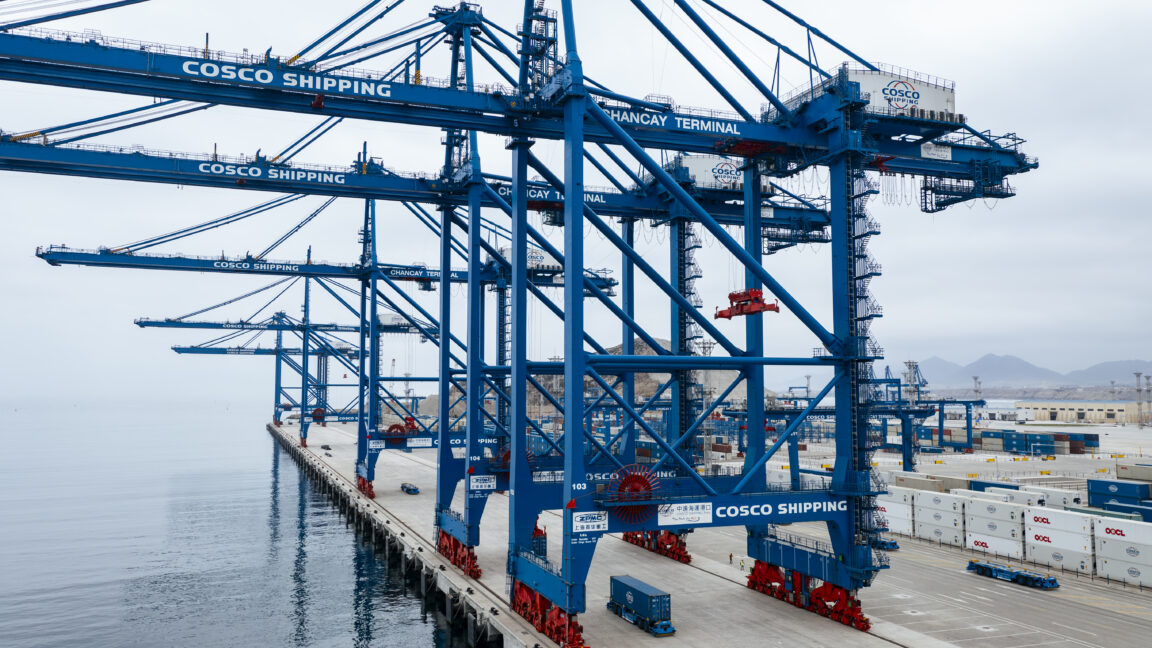 >
>
It’s worth acknowledging China’s domestic environmental efforts. Reforestation programs and investments in renewable energy showcase a commitment to sustainability within its own borders. Yet, as the Forest Trends report emphasizes, this internal progress appears to shift the environmental burden onto other nations, a classic case of “not in my backyard.” This isn’t just about pointing fingers; it’s about recognizing the interconnectedness of global ecosystems and supply chains.
The Peruvian port exemplifies this tension. Proponents likely tout the economic benefits – job creation, increased trade, and infrastructure development. These are valid arguments, and it’s essential to consider the needs and aspirations of local communities. However, the article paints a concerning picture of environmental degradation, potential displacement of residents, and the sheer scale of truck traffic impacting local lives. It begs the question: Who truly benefits, and at what expense?
It’s easy to get caught up in macro-level statistics, but the story of Arce, the artist living near the port, grounds the issue in human reality. Her concerns about the dust, noise, and potential structural damage to her home aren’t abstract concepts; they are tangible worries about her well-being and her community’s future. This human element often gets lost in the shuffle of economic development, and it’s crucial to remember that real people bear the consequences of these decisions.>
This situation isn’t unique to China or Peru. Development projects worldwide frequently involve trade-offs between economic progress and environmental protection. The challenge lies in finding a balance that minimizes harm and maximizes long-term sustainability. Easier said than done, I know.
Still, the situation begs for better oversight and enforcement of environmental regulations. The fact that a large percentage of timber shipments from Peru to China evade proper inspection is a glaring problem. We need robust mechanisms to ensure that imported goods are sourced legally and sustainably.
Also, countries with significant forest resources must improve governance and implement stricter environmental protections. Relying on goodwill isn’t a viable strategy; there needs to be a legal and regulatory framework that deters illegal deforestation and promotes responsible resource management.
It’s worth noting the role of consumer demand in driving these trends. Ultimately, the demand for products fuels the extraction and production processes that can lead to deforestation. As consumers, we have a responsibility to be aware of the origins of the goods we purchase and to support companies committed to sustainable practices.
To that end, promoting transparency and traceability in supply chains is vital. Consumers should be able to easily access information about the environmental impact of the products they buy. This can empower them to make more informed choices and to hold companies accountable for their environmental performance.
It’s important to avoid simplistic narratives. This isn’t simply a case of a powerful nation exploiting a weaker one. It’s a complex web of economic incentives, political realities, and human needs. A solution requires collaboration, transparency, and a willingness to prioritize long-term sustainability over short-term gains.
This challenge underscores the urgent need for a new model of development. One that values ecological integrity, social equity, and responsible resource management. It will not be easy and there will be setbacks.
Yet, if the story of the Amazonian port has taught anything, is that the cost of unchecked growth is a price we cannot afford to pay. The cracks in Arce’s walls may be a harbinger of a much larger collapse if we fail to learn from these instances. The path forward demands a more sustainable, equitable, and forward-thinking approach to development, lest we repeat these mistakes.

![[post_title]](https://samony.com.ng/wp-content/uploads/2025/12/After-9-years-of-dating-lady-kneels-down-to-collect-300x157.jpg?lm=693436A3 "Decoding Viral Love: Unpacking Modern Relationship Anxieties and Gendered Expectations")

![[post_title]](https://samony.com.ng/wp-content/uploads/2025/12/1765027752_Holly-Hagan-shares-harrowing-details-of-sister-Darcis-final-hospital-300x158.jpg?lm=69342FAB "Unseen Risks: Navigating Accidental Overdoses with Clarity and Compassion")
![[post_title]](https://samony.com.ng/wp-content/uploads/2025/12/1765027162_Thousands-of-wireless-earbuds-recalled-by-Health-Canada-due-to-300x169.jpg?lm=69342D5E "Earbud Recalls: A Quality Control Crisis Unfolding in Real Time")
![[post_title]](https://samony.com.ng/wp-content/uploads/2025/12/Teacher-Allegedly-Caught-Subtly-Thrusting-with-Girl-on-Lap-Brother-300x200.jpg?lm=69341A06 "Educator Brothers Arrested: School Safety Under Scrutiny")

![[post_title]](https://samony.com.ng/wp-content/uploads/2025/12/Championship-scores-LIVE-Updates-from-11-games-including-Derby-v-1024x576.jpg?lm=69343666 "Charlton-Portsmouth Match Abandoned: Fan’s Medical Emergency Highlights Football’s Human Side")
![[post_title]](https://samony.com.ng/wp-content/uploads/2025/12/After-9-years-of-dating-lady-kneels-down-to-collect-1024x535.jpg?lm=693436A4 "Decoding Viral Love: Unpacking Modern Relationship Anxieties and Gendered Expectations")
