

![[post_title]](https://samony.com.ng/wp-content/uploads/2025/12/1764833232_My-CEO-summoned-me-for-eating-in-the-same-restaurant-1024x555.jpg?lm=693137D2)
Workplace Dynamics: Beyond the Elevator Chat – A Critical Look
The recent anecdote about a lady being “summoned” by her CEO for dining at the same restaurant sparks a bigger conversation. It goes beyond simple workplace etiquette. These stories resonate, probably because most of us have experienced similar, if less dramatic, situations navigating the unspoken rules of corporate culture.
This narrative, reminiscent of others surfacing on platforms like X (formerly Twitter), reveals something significant. The dynamics between employees and leadership, particularly in certain organizational structures, still carry elements of social stratification that feel oddly outdated. You see, while the “open door policy” gets a lot of lip service, the reality often feels more like a carefully controlled revolving door.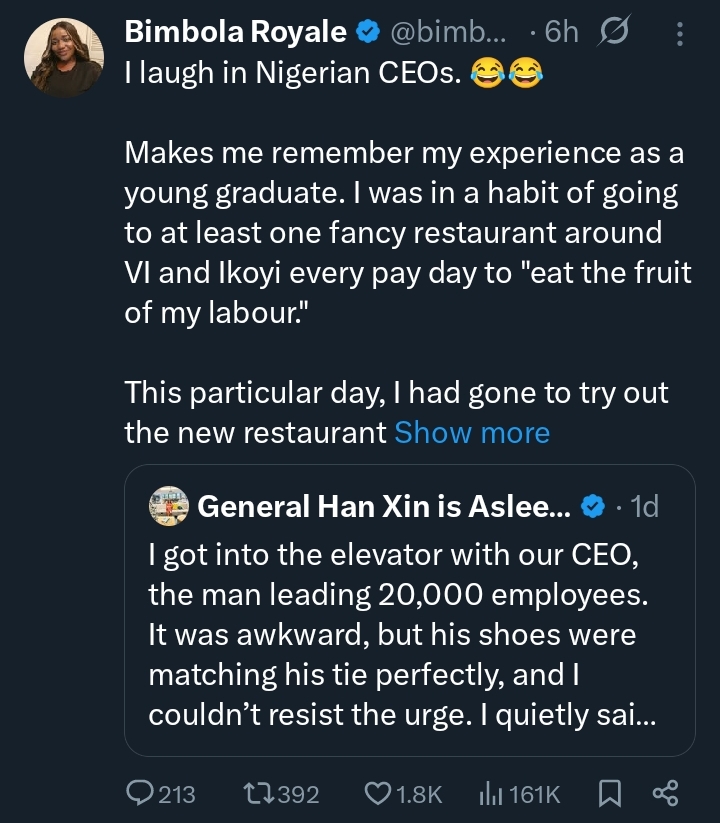 >
>
The initial story – the compliment about the CEO’s shoes – is a lighter example. It points to a desire for human connection, even in hierarchical environments. It reveals the inherent awkwardness in casual interaction. Yet, the fear that followed, waiting for the HR reprimand that never came, highlights an underlying anxiety many employees carry. A question remains: Are we truly encouraged to treat our leaders as approachable human beings, or are we constantly walking a tightrope?
Then there’s the restaurant incident. At first blush, it seems absurd. An employee choosing to enjoy the fruits of their labor is met with what can only be described as a power play. But dig a little deeper, and you can detect a complexity: the CEO’s perception of her personal brand being infringed upon, a discomfort with blurring the lines between personal and professional circles.
Still, the CEO’s reaction appears misplaced. It showcases a mindset where access to certain experiences, like dining in a fancy restaurant, is seen as a privilege reserved for a select few. This challenges the idea of a meritocratic environment. It creates an uncomfortable power dynamic. It’s as if the employee’s presence somehow diminished the CEO’s status.>
It’s worth noting that this kind of reaction might be more prevalent in cultures where hierarchy is heavily emphasized. Some organizational styles, rooted in specific cultural paradigms, may have deeply embedded expectations around how employees should behave in proximity to leadership, even outside of the office.
The story also highlights the challenge of navigating personal branding in the workplace. Every action, inside and outside the office, becomes a representation of the company. However, companies must be wary of encroaching too far into the personal lives of their employees, lest they create a stifling and resentful atmosphere.
We can examine how generational differences may affect these interactions. Younger generations, raised in a more egalitarian and transparent environment, might find these rigid hierarchies perplexing. They’re used to blurring the lines between personal and professional lives. Such a clash in expectations can lead to misunderstandings and frustration.
Looking at the bigger picture, we need to ask: what type of company culture do we aspire to build? One where employees feel constantly scrutinized? Or one where they’re empowered to be themselves, even when those selves happen to be enjoying a nice meal in the same restaurant as the boss?
This entire situation can be viewed as a symptom of a broader issue. Many companies preach about employee empowerment. They often fall short of truly fostering it. Empowerment isn’t just about assigning tasks; it’s about trusting employees to make sound judgments, to represent the company well, and to enjoy their lives without fear of reprimand for perceived social missteps.
From personal experience, I’ve seen similar situations play out, where well-intentioned efforts to build camaraderie fall flat because of underlying power imbalances. Team-building exercises become awkward displays of forced fun. Casual Fridays become opportunities for subtle judgement. The problem? The fundamental power structures are still firmly in place.
To that end, companies must create genuine pathways for upward mobility. This fosters trust and respect. It flattens the hierarchy. It moves away from outdated notions of social distance. It’s not enough to say everyone is equal. Leaders must actively demonstrate it through their actions.
It’s worth considering what HR’s role should be in these situations. Is it simply to enforce the CEO’s wishes? Or, is it to mediate and educate, helping leaders understand the impact of their actions on employee morale and company culture? A reactive HR department focused solely on damage control is a sign of deeper, systemic issues.
In any case, this restaurant scenario, while seemingly trivial, serves as a valuable lesson. It underscores the importance of building inclusive and equitable workplaces where employees feel valued, respected, and free to enjoy the fruits of their labor, regardless of who they happen to be dining near. It highlights the need for leaders to be mindful of their actions and their impact. It’s not just about shoes and restaurants; it’s about fostering a culture of genuine respect and understanding.

![[post_title]](https://samony.com.ng/wp-content/uploads/2025/12/FG-Applauds-Nollywoods-Global-Impact-At-15th-Zuma-International-Film-300x169.jpg?lm=69313157 "FG Applauds Nollywood’s Global Impact At 15th Zuma International Film Festival – Arise News")


![[post_title]](https://samony.com.ng/wp-content/uploads/2025/12/1764831706_FG-pegs-6485bpd-oil-benchmark-okays-N1-5121-exchange-rate-for-300x179.jpg?lm=693131DD "Nigeria’s 2026 Budget: A Deep Dive")
![[post_title]](https://samony.com.ng/wp-content/uploads/2025/12/Googles-Antigravity-AI-deleted-a-developers-drive-and-then-apologized.webp-300x169.webp "Google’s Antigravity AI Wipes Developer’s Drive, Sparking Autonomy Concerns")
![[post_title]](https://samony.com.ng/wp-content/uploads/2025/12/Condoms-and-contraceptives-to-become-more-expensive-in-China-as-300x169.jpeg?lm=69312FA2 "China’s Contraceptive Tax: Fertility Control and Shifting Ideologies")

![[post_title]](https://samony.com.ng/wp-content/uploads/2025/12/I-Have-A-Wife-And-Five-Children-Catholic-Father-Explains.jpeg?lm=69313106 "Authenticity’s Price: A Priest’s Journey and the Church’s Crossroads")
![[post_title]](https://samony.com.ng/wp-content/uploads/2025/12/FG-Applauds-Nollywoods-Global-Impact-At-15th-Zuma-International-Film-1024x576.jpg?lm=69313157 "FG Applauds Nollywood’s Global Impact At 15th Zuma International Film Festival – Arise News")
