

Analyzing the Legality and Implications of the Alleged “Double Tap Strike” in the Caribbean
The recent reports surrounding the alleged “double tap strike” in the Caribbean, purportedly ordered by Secretary of War Pete Hegseth, raise serious questions about the legality and ethics of military actions. Senator Mark Kelly’s assertion that targeting survivors in the water “seems” to constitute a war crime is a stark assessment that demands careful consideration. Having observed similar situations unfold in the past, I approach these claims with a blend of concern and a call for rigorous scrutiny.
The core of the issue hinges on the reported order to “kill everybody” aboard the vessel, followed by a second strike on survivors clinging to life. Should these accounts hold true, they would represent a disturbing departure from established rules of engagement and international law. The Geneva Convention, for instance, explicitly prohibits the targeting of individuals who are hors de combat – those who are no longer participating in hostilities. A “double tap strike” against defenseless survivors would appear to violate this fundamental principle.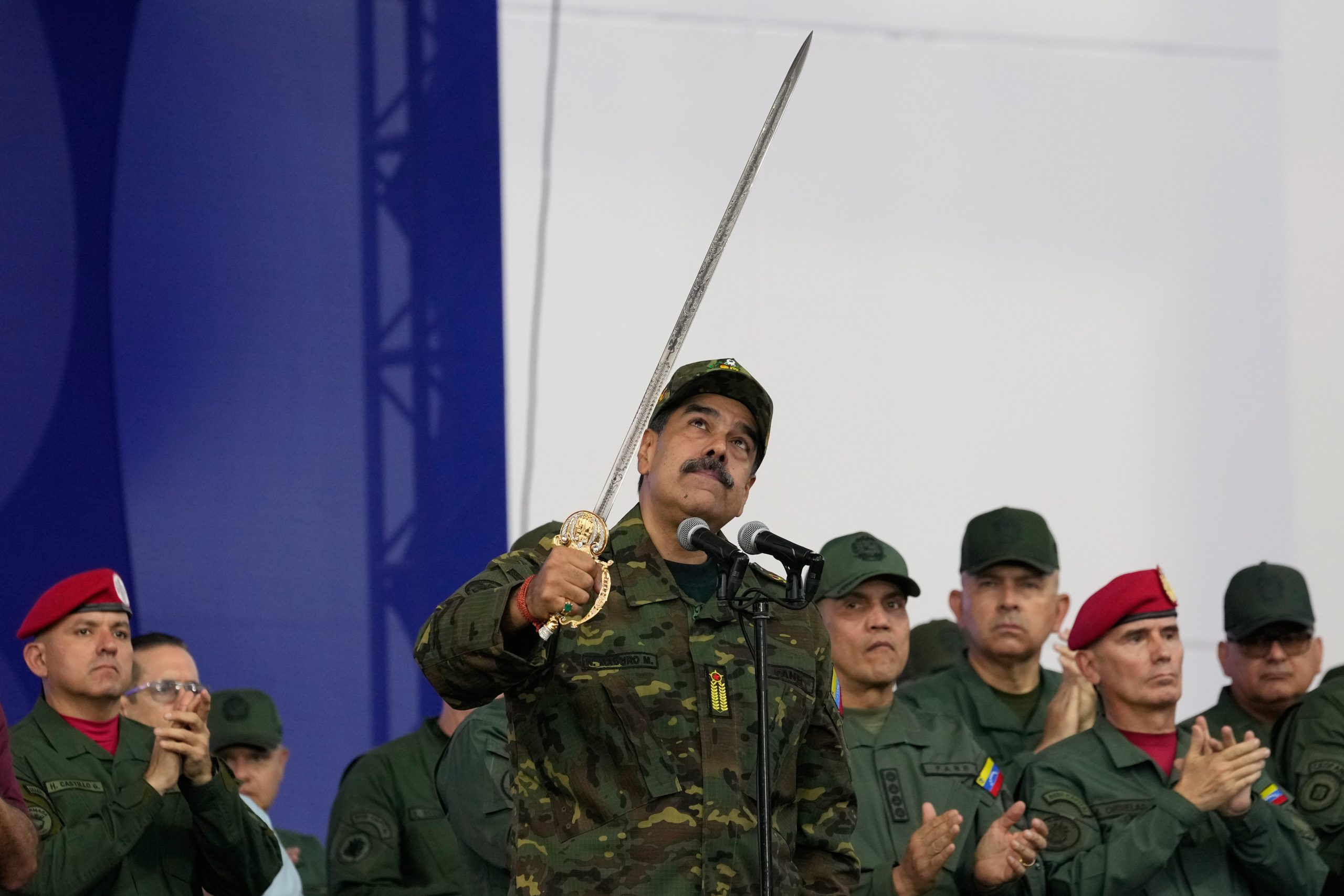 >
>
The context surrounding this event adds another layer of complexity. The Trump administration’s escalating military campaign against alleged “narco-terrorists” in the Caribbean, particularly off the coasts of Venezuela and Colombia, has already drawn criticism. Using military force in what traditionally falls under the purview of civilian law enforcement blurs the lines. One might argue that the White House’s justification for these actions, while aiming to combat drug trafficking, stretches the definition of legitimate military targets and risks unintended consequences.
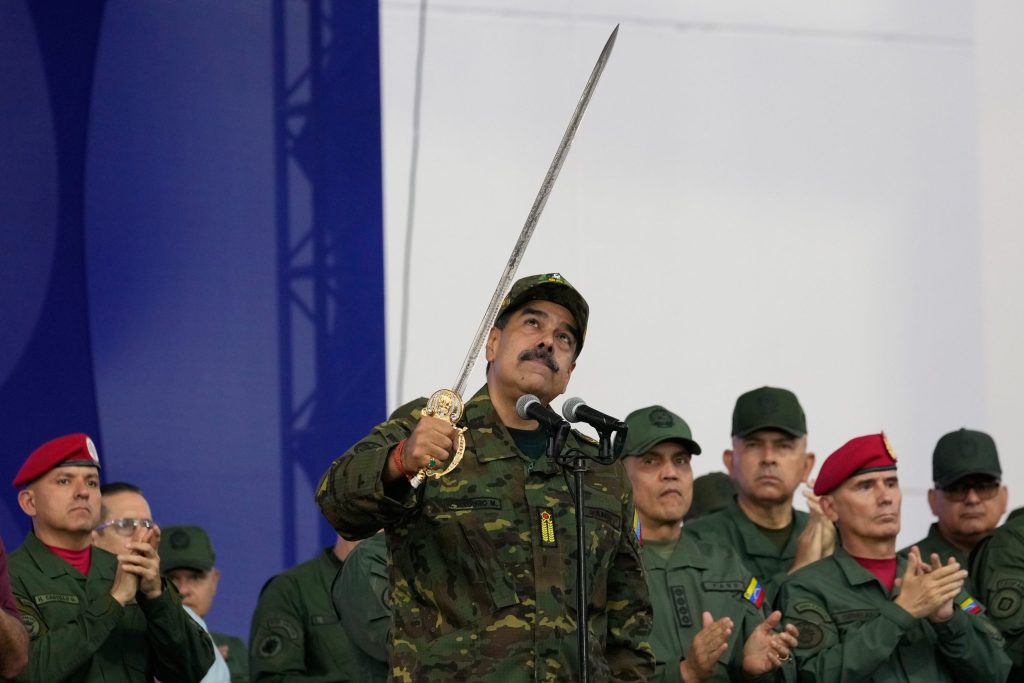
It’s worth noting the political backdrop as well. The designation of Venezuelan President Nicolas Maduro as the leader of a drug cartel, coupled with the disputed 2024 election results, injects a significant dose of political tension into the situation. Actions undertaken in this environment are prone to accusations of ulterior motives and could further destabilize an already volatile region.
The potential for this incident to escalate into a wider conflict also looms. The U.S. military buildup in the region fuels fears of a larger ground or air operation within Venezuela. Trump’s post about closing the entire airspace of Venezuela sounds irrational. Such actions, whether intended or not, carry the risk of miscalculation and could draw the U.S. into a protracted and costly entanglement. >
>
Now, let’s consider the counterarguments. Proponents of the administration’s policies may argue that these strikes are necessary to disrupt the flow of drugs into the United States and protect national security. They might contend that those involved in drug trafficking forfeit their right to protection under international law. However, such arguments must be viewed skeptically. The ends do not always justify the means, and violating established legal and ethical norms can have far-reaching consequences for U.S. credibility and standing in the world.
The calls for investigation from members of Congress, including those on the Armed Services Committees, are a welcome step. It is essential that these inquiries are conducted thoroughly and impartially, regardless of political affiliations. The facts must be established, and those responsible for any violations of law or policy must be held accountable. This includes determining the precise nature of the orders given, the circumstances surrounding the second strike, and the legal basis for the overall military campaign.
Brian Finucane’s assessment that “the term for premeditated killing outside of armed conflict is murder” should resonate deeply within the halls of power. If the U.S. is to maintain its moral authority on the global stage, it cannot afford to engage in actions that resemble extrajudicial killings. A transparent and accountable process is vital to uphold the rule of law and protect the integrity of the military.
In short, this incident presents a complex challenge with significant implications. While combating drug trafficking is a legitimate concern, it cannot come at the expense of fundamental legal and ethical principles. A thorough investigation, coupled with a reassessment of the U.S. military strategy in the Caribbean, is urgently needed to ensure that such incidents are not repeated. The world watches, and history will judge how we respond.
The argument that this falls under the scope of civilian law is a position that I find highly interesting. In any case, I look forward to how the Armed Services Committee handles this matter.


![[post_title]](https://samony.com.ng/wp-content/uploads/2025/11/1764531073_Idaho-bar-offering-a-month-of-free-drinks-to-customers-300x200.jpeg?lm=692C9B84 "Idaho Bar’s ICE Tip Promotion: Divisive Times")
![[post_title]](https://samony.com.ng/wp-content/uploads/2025/11/Otti-appoints-Ikpeazus-ex-CPS-Ememanka-as-DG-Abia-State-300x300.jpg?lm=692C9BCD "Abia State’s New Media Team: Genius Move or Just Politics as Usual?")
![[post_title]](https://samony.com.ng/wp-content/uploads/2025/11/1764531194_Gary-Lineker-destroys-Tommy-Robinson-after-Mexico-holiday-video-goes-300x158.jpg?lm=692C9BFD "Lineker vs. Robinson: Just a Squabble, or a Sign of Something Darker?")
![[post_title]](https://samony.com.ng/wp-content/uploads/2025/11/Fatih-Karagumruk-0-2-Besiktas-Super-Lig-maci-ozeti-300x169.jpg?lm=692C99A5 "Beşiktaş Edges Karagümrük: Was It Really That Convincing?")

![[post_title]](https://samony.com.ng/wp-content/uploads/2025/11/My-favorite-snore-blocking-sleepbuds-are-down-to-their-lowest-price.webp-1024x533.webp?lm=692CA139 "Sleep Tech Evolves: Are Anker’s Sleep Earbuds a Dream Come True?")
![[post_title]](https://samony.com.ng/wp-content/uploads/2025/11/Praat-mee-op-VP-Ajax-1024x682.jpg?lm=692CA2B2 "Deconstructing Ajax-Groningen: Tactics, Pressure, and the Relentless Pursuit of Victory")
