

Scented Candles: More Than Just a Festive Flicker? Analyzing the Home Fragrance Industry
Scented candles. They’re practically synonymous with the holidays now. Beyond the immediate appeal of festive fragrances, there’s a deeper story brewing in the home fragrance market. Consider this: a simple candle represents a multi-billion dollar industry constantly shifting with consumer preferences and new technological innovations.
The market overflows with options, from budget-friendly tins to luxury vessels. These options make you pause. Each brand vying for our attention, each fragrance promising a specific emotional experience. Little Moments Melts offers a small, accessible Christmas Tree scent. St. Eval conjures a wintry fairytale. Lower Lodge Candles aims for playful elegance with its Sugarplum Bliss. These demonstrate how varied the strategies are for capturing the seasonal market.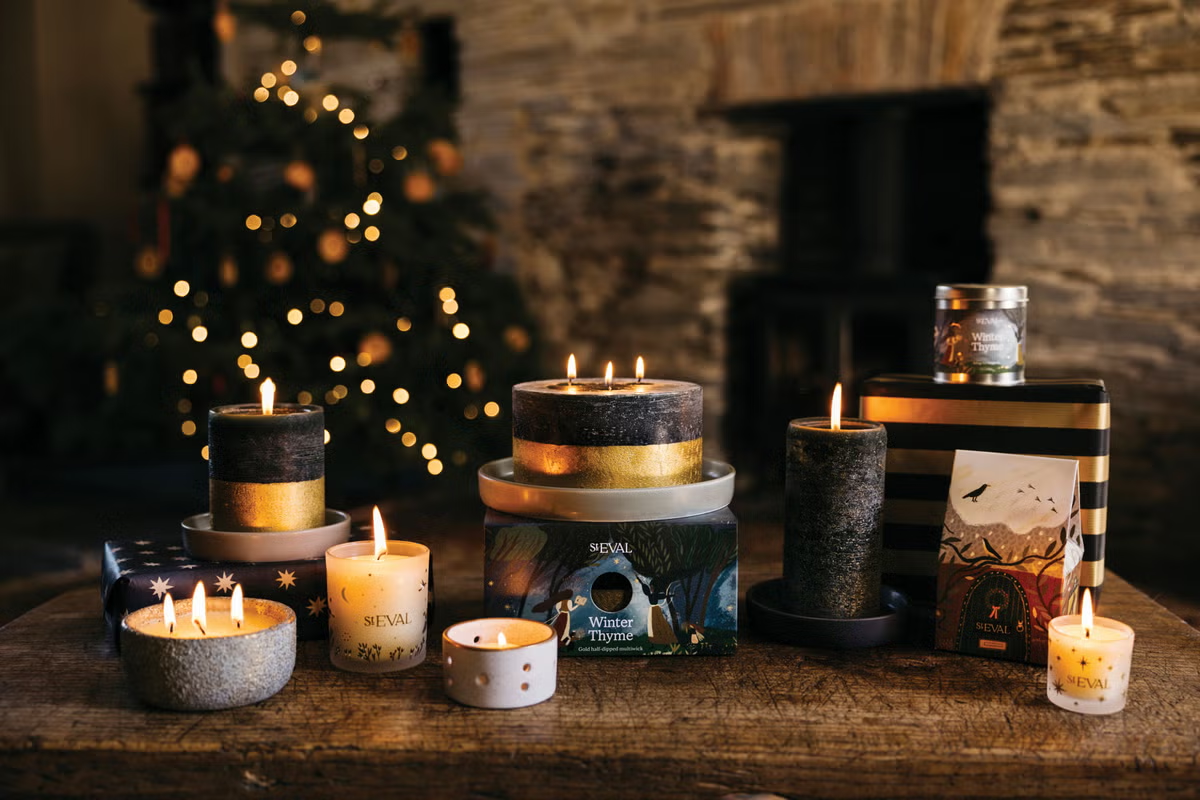 >
>
The White Company, a brand synonymous with sophisticated simplicity, wraps its popular “Winter” scent in a silver bauble. It’s a clever move, doubling down on brand recognition while simultaneously offering a gifting-ready product. Then you see Connock England pushing a “Hawaiian Islands” escape and Lower Lodge offering a statement piece pomegranate candle in the $100 range. This highlights a crucial split: everyday ambiance versus aspirational luxury.
It’s worth noting the language used to sell these candles. Words like “comfort,” “cheer,” “enticing,” and “sanctuary” point to the emotional landscape these brands are selling. They’re not just hawking wax and fragrance; they’re selling an experience, a mood, a feeling of well-being. But how much of this is genuine, and how much is clever marketing?
Having observed this industry for some time, I’ve learned to approach such promises with mild skepticism. The power of scent is undeniable – it evokes memories and influences mood. Still, a candle’s ability to truly transform one’s emotional state can be overstated.>
This challenge – the gap between promise and reality – is something brands constantly grapple with. One way they address this is through premium ingredients and complex fragrance compositions. High-end brands often emphasize natural essential oils and elaborate “fragrance pyramids” with top, middle, and base notes, mirroring the complexity of fine perfumes.
Yet, even the most meticulously crafted fragrance won’t appeal to everyone. Scent is intensely personal. What one person finds comforting, another might find cloying. That’s the tricky thing about this market.
Beyond individual preferences, there are broader trends shaping the scented candle industry. Sustainability, for example, is becoming increasingly important. Consumers are seeking out candles made with natural waxes like soy or beeswax, and packaged with eco-friendly materials. Transparency is another key demand. People want to know where the ingredients come from and how the candles are made.
Given these facts, the future likely holds even greater innovation. Think beyond simple fragrance. Companies will look at technology for new ways to deliver scent to our homes. Smart diffusers controlled by apps, personalized fragrance blends based on mood tracking… the possibilities are vast.
It would be easy to dismiss scented candles as a frivolous indulgence. However, the industry reflects broader shifts in consumer behavior, marketing strategies, and the ever-evolving quest for comfort and well-being. To that end, it provides a fascinating lens for understanding how we create meaning and value in our lives, one fragrance at a time.
The continued success of brands like The White Company suggests that consumers consistently return to what they know and enjoy, particularly when it comes to creating a comforting environment. They’ve effectively cultivated a brand identity of understated luxury and reliable quality, which translates into unwavering customer loyalty. This underscores the importance of brand building and consistently delivering on promises.
I see a possible area of growth in hyper-personalized scents. Imagine a service that analyzes your preferences and creates a signature fragrance tailored specifically for you. This might involve AI-powered scent recommendation or even at-home scent creation kits.
One thing is certain: the home fragrance market will continue to evolve. Whether it’s through new technologies, sustainable practices, or a deeper understanding of the psychology of scent, there will be change. Staying attuned to these developments is essential for any brand hoping to capture a piece of this lucrative market. The key will be balancing innovation with authenticity, and remembering that, at its core, the appeal of a scented candle lies in its ability to offer a moment of simple, sensory pleasure.
And honestly, who doesn’t need a little more of that?

![[post_title]](https://samony.com.ng/wp-content/uploads/2025/12/1764802454_Tinubu-swears-in-5-perm-secs-chairman-members-of-NPC-300x210.jpg?lm=6930BF99 "Decoding Tinubu’s Appointments: A Veteran’s View on Priorities and Pitfalls")






![[post_title]](https://samony.com.ng/wp-content/uploads/2025/12/How-much-you-fit-withdraw-in-a-day-from-ATM.jpg?lm=6930C5C7 "Nigeria’s Cash Withdrawal Limits: Pragmatism, Mixed Signals, and the Unfolding Reality")

![[post_title]](https://samony.com.ng/wp-content/uploads/2025/12/1764802454_Tinubu-swears-in-5-perm-secs-chairman-members-of-NPC.jpg?lm=6930BF98 "Decoding Tinubu’s Appointments: A Veteran’s View on Priorities and Pitfalls")
