


For the first time in over a century, the Canadian military is conducting war games in preparation for a hypothetical U.S. invasion, a significant development amid rising tensions between President Donald Trump’s administration and NATO allies. This unprecedented scenario highlights a notable shift in the relationship between the two neighboring nations, long-standing allies and crucial trading partners. The report, which details the Canadian Armed Forces’ multi-pronged strategy to counter a potential U.S. military incursion, has raised eyebrows internationally and domestically.
The strategic model outlines plans that include the use of asymmetric tactics, drone warfare, and requests for European backup, according to insights from two senior Canadian officials who spoke to The Globe and Mail. While this exercise is purely theoretical and precautionary, with officials emphasizing that a U.S. invasion is unlikely, it underscores the perceived breakdown in relations over the past year. This sentiment is further reflected in recent polling, which indicates that a majority of Canadians now view the U.S. as their country’s greatest threat.
What is the primary reason for Canada’s war games? The primary reason is to prepare for a hypothetical U.S. invasion, a scenario that has gained traction due to rising political tensions and rhetoric from the current U.S. administration. This precautionary measure aims to strengthen Canadian defense strategies.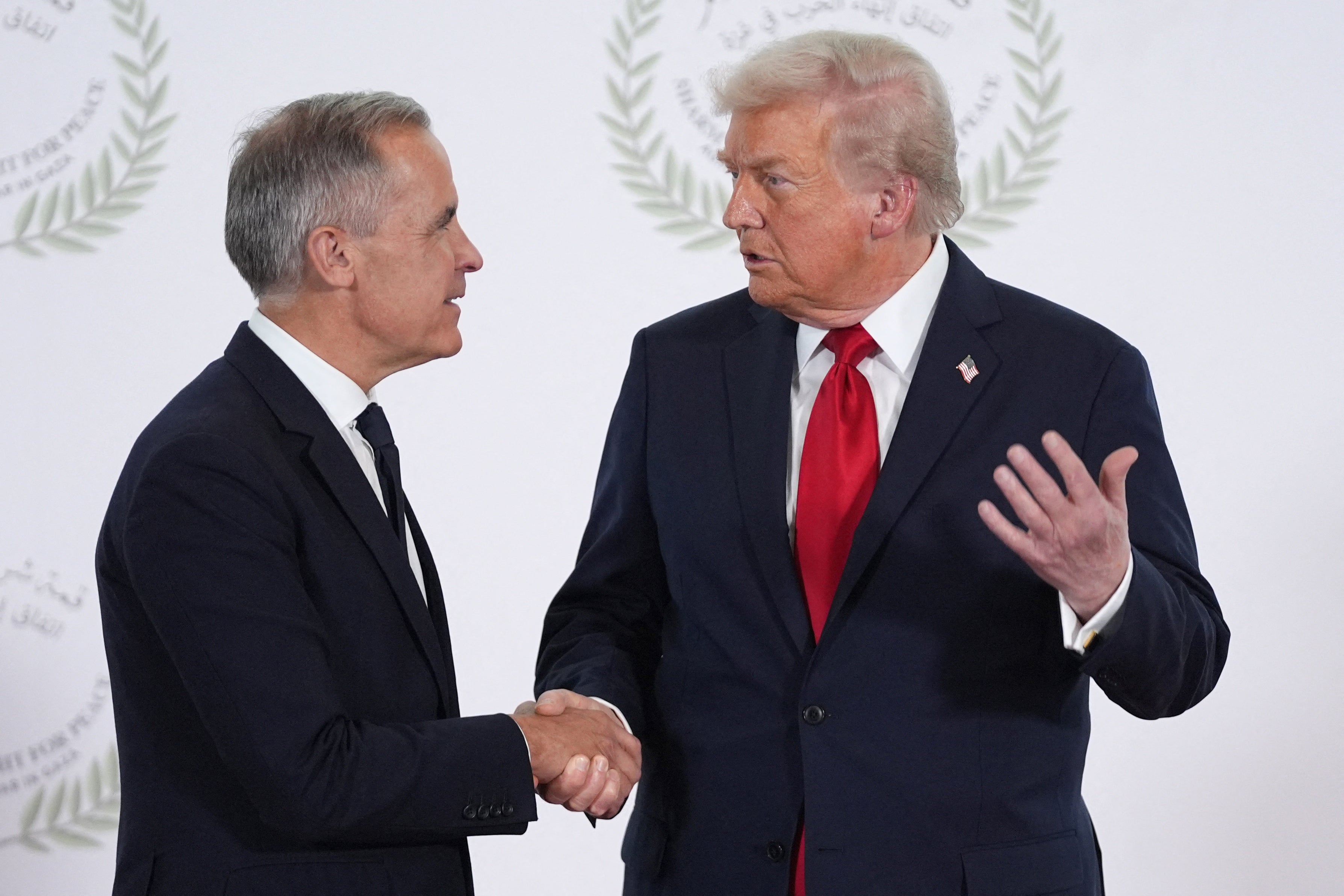
President Trump has, on multiple occasions since taking office, expressed a desire to acquire Canada, referring to it as “the 51st state.” More recently, his focus has reportedly returned to Canada, with particular attention paid to the country’s perceived vulnerability in its Arctic regions to foreign adversaries. This fixation on territorial acquisition and strategic control is not limited to Canada; the president has also made his intentions clear regarding Greenland, a territory of Denmark and another NATO ally.
The White House has cited national security as the reason for its interest in Greenland, exploring various options, including the potential use of military force to achieve its goals. These overtures have caused alarm among NATO partners such as France and Germany, prompting them to deploy troops to Greenland. Canada is also considering dispatching its own forces to the Arctic island, signaling a united front in defending regional sovereignty.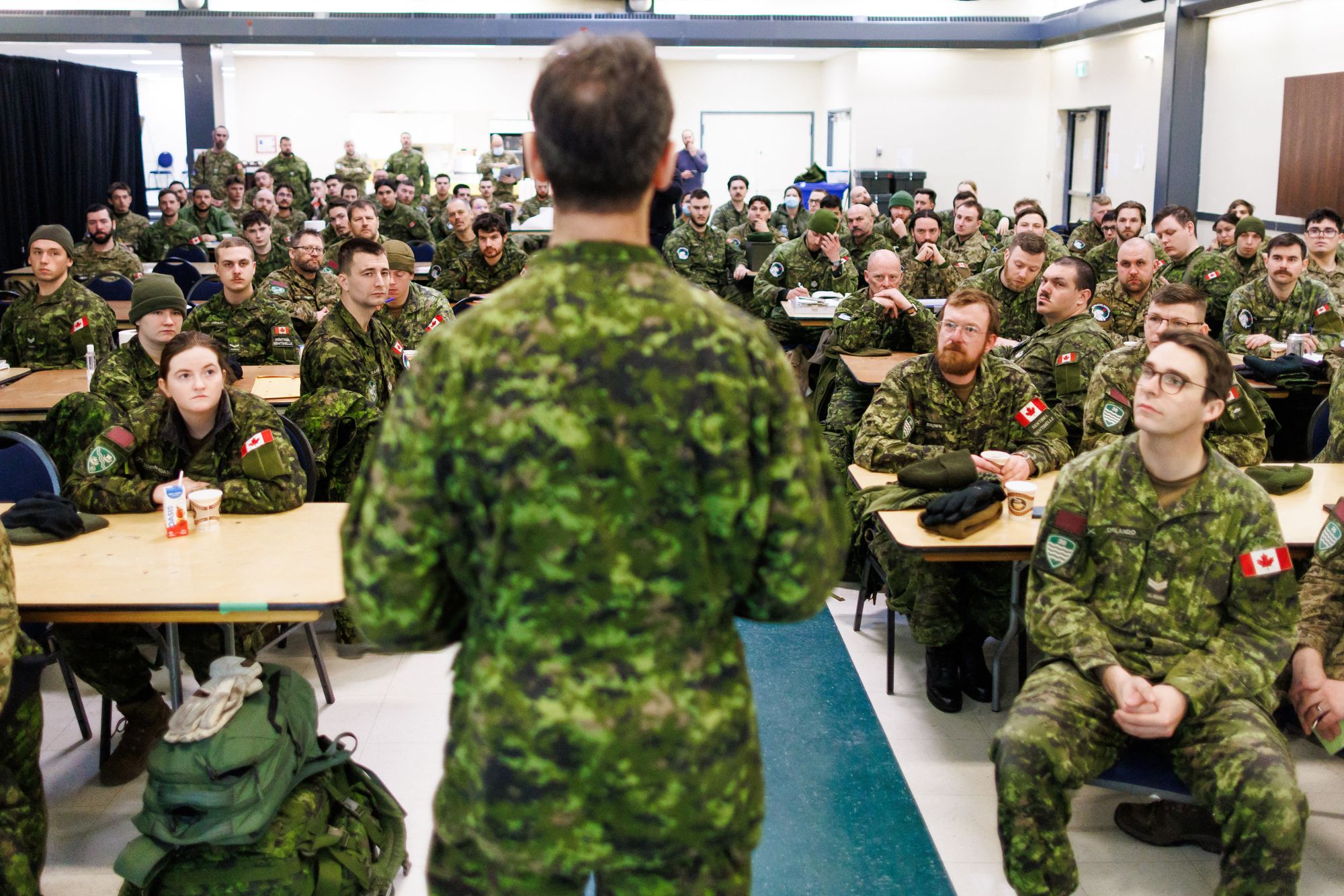
Canadian Prime Minister Mark Carney has firmly stated Canada’s position on Arctic sovereignty, asserting that they stand with Greenland and Denmark and fully support their right to determine their own future. This stance, coupled with a commitment to strengthening ties with China and forging a “new world order,” suggests a potential re-evaluation of the U.S.-led alliance system.
The Canadian military’s model anticipates that any hypothetical U.S. invasion would commence in the south, with American forces aiming for rapid control of strategic assets. Given the disparity in soldiers and equipment compared to a conventional attack, Canadian forces would likely resort to “unconventional warfare.” This approach would involve sabotage, ambushes, and the utilization of drone technology, as reported by The Globe and Mail.
One official drew parallels between these tactics and those employed by the Mujahideen, a group of guerrilla fighters in Afghanistan who effectively used hit-and-run tactics against Soviet forces during the Soviet-Afghan War. The objective of such strategies would be to inflict significant casualties on any U.S. occupying forces, thereby deterring further aggression.
Should an attack occur, the Canadian government would likely seek assistance from other nuclear powers, including France and the United Kingdom. Retired Major-General David Fraser, who previously led Canadian troops in Afghanistan, commented on the potential international response, suggesting that any nation attacking Canada would face global opposition, potentially even more so than in the case of Greenland. He envisioned German ships and British planes reinforcing Canada’s sovereignty.
Despite these strategic preparations, it is important to note that relations between the military forces of Canada and the U.S. remain positive. This week, both nations participated in a joint NORAD exercise in Greenland. Furthermore, retired Lieutenant-General Mike Day, former head of Canadian Special Forces Command, described the notion of an American invasion of Canada as “fanciful,” suggesting it is highly improbable.
Nevertheless, defense experts and political scientists emphasize the importance of bolstering Canadian defenses and developing such contingency plans. According to University of Toronto political scientist Aisha Ahmad, embracing this approach to homeland defense can act as a deterrent, reducing the likelihood of unwanted and potentially disastrous scenarios.
Why is Canada preparing for a US invasion? Canada is preparing for a hypothetical US invasion as a precautionary measure due to rising geopolitical tensions and rhetoric from the US administration, aiming to strengthen its defense posture and deter potential aggression.
This proactive stance by the Canadian military underscores the evolving geopolitical landscape and the importance of preparedness in maintaining national sovereignty and security in an increasingly unpredictable world.







