![[post_title]](https://samony.com.ng/wp-content/uploads/2025/11/1764259699_Abortion-is-becoming-a-key-issue-for-Republicans-as-they-1024x683.jpg?lm=69287776)
The Abortion Debate Threatens to Derail Republican Healthcare Plans
Healthcare, particularly the future of Obamacare subsidies, is again a political hot potato. Republicans find themselves in a familiar predicament, grappling with internal divisions as they try to forge a unified strategy. A key sticking point? Abortion.
Congress faces growing tension over healthcare costs as the expiration of Affordable Care Act (ACA) subsidies nears the end of the year. Trump aims to completely eliminate Obamacare, replacing it with the ill-defined “Trumpcare”. The President’s strategy is creating a difficult environment for Republicans seeking consensus on healthcare policy.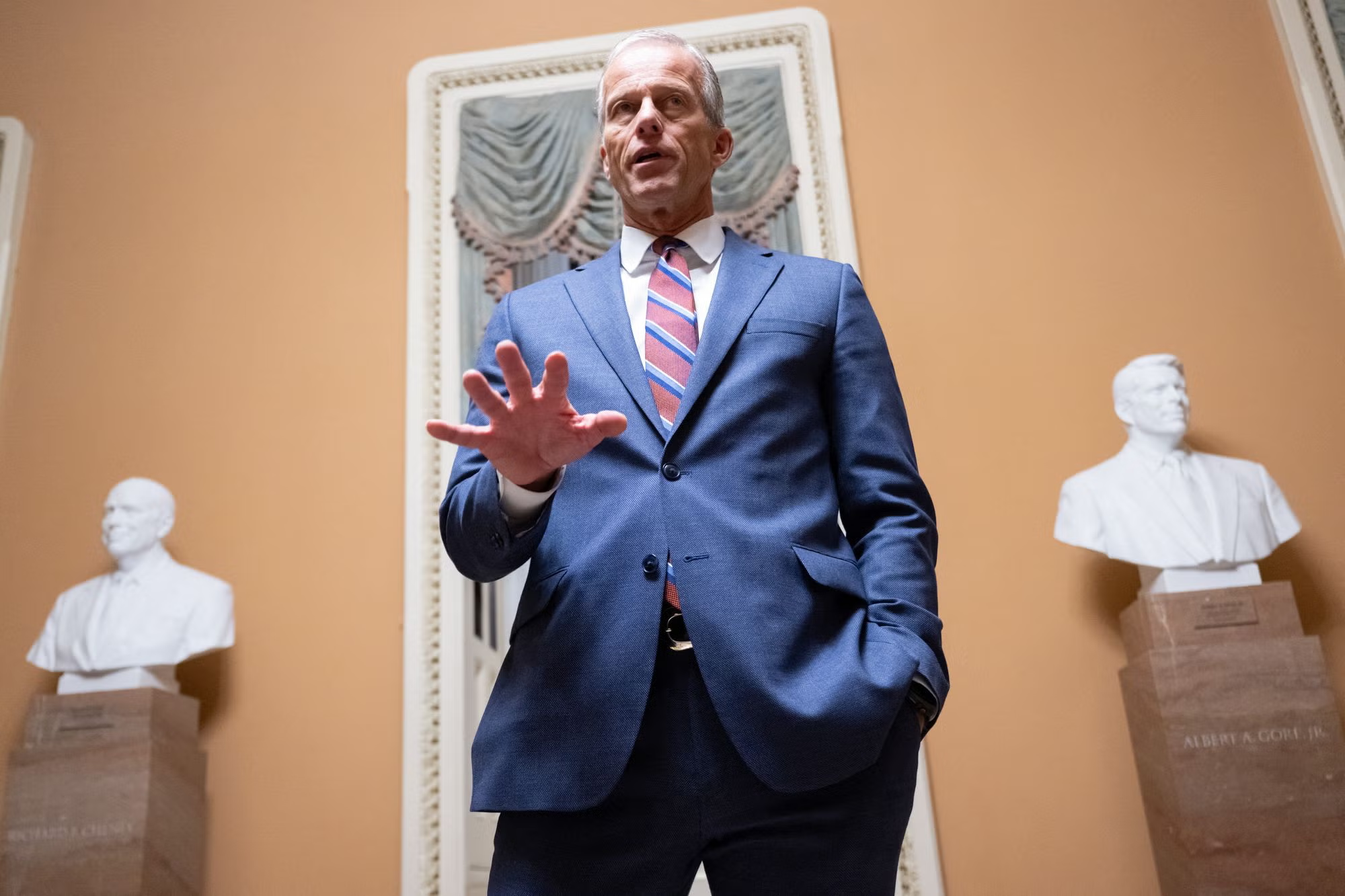 >
>
The situation is complex. A White House proposal for a two-year subsidy extension reportedly surfaced, conspicuously avoiding any mention of abortion. This omission ruffled feathers within the Republican ranks. Certain members of Congress and lobbying groups are pushing to maintain, or even strengthen, the ACA’s existing restrictions on abortion funding, cutting off subsidies to health plans that cover the procedure.
The White House claims that giving more money to insurance companies does not solve the problem for Americans. Sen. Mike Rounds is firm. He states there will be no Republican votes to extend subsidies without abortion restrictions on Obamacare. These tensions underscore a deep ideological divide within the party.
The abortion issue has become a quiet “red line” for Republicans asked to support an extension of Obamacare, a law the GOP has fought to repeal for over a decade. Patrick Brown of the Ethics and Public Policy Center noted the administration’s reluctance to highlight the abortion issue. >
>
The administration’s influence might be necessary to incorporate abortion restrictions into any deal. The advocacy group Susan B. Anthony Pro-Life America is already threatening consequences for those who vote to continue subsidies without these limits. Meanwhile, Democrats are unlikely to accept any proposal that expands abortion restrictions beyond those already in the ACA.
It appears Democrats view the abortion discussion as a diversionary tactic. Sen. Brian Schatz feels Republicans might be using it to mask their internal divisions on healthcare. Even without the abortion debate, Republicans struggle to agree on healthcare solutions. They must reach a consensus before the mid-December deadline for voting on the subsidies.
Senate Republicans, including Trump, have suggested replacing the ACA subsidies with federally funded “Trump Health Freedom” accounts and allowing Americans to purchase health plans across state lines. The Republican Main Street Caucus proposed extending the subsidies with revised income and premium requirements they believe will lower costs and curb fraud.
Trump has stated that he will only support a plan that directly funds Americans instead of insurers. Although, this week, he suggested that he might be willing to extend ACA if it helps Republicans make a larger healthcare deal.
Regardless of the chosen path, Republicans are under pressure to address rising healthcare costs. With open enrollment underway, concerns about rising premiums are already apparent. These affordability concerns are likely to be a dominant theme in the 2026 midterm elections.
The current situation feels like a familiar cycle. Republicans campaign against the ACA, struggle to formulate a viable replacement, and then face internal discord when trying to compromise. The abortion debate only amplifies these existing tensions. One has to ask: is a lasting, bipartisan solution to healthcare affordability even possible in this political climate? Past experiences suggest a long and difficult road ahead. The coming months will reveal whether Republicans can navigate this complex landscape or if healthcare will remain a perpetual battleground.

![[post_title]](https://samony.com.ng/wp-content/uploads/2025/11/1764259699_Abortion-is-becoming-a-key-issue-for-Republicans-as-they-300x200.jpg?lm=69287775 "Can the Abortion Debate REALLY Kill the GOP’s Healthcare Plans?")

![[post_title]](https://samony.com.ng/wp-content/uploads/2025/11/1764259773_First-Dates-Fred-Sirieix-makes-acting-debut-in-cheesy-rom-300x158.jpg?lm=692877BF "Fred Sirieix’s Rom-Com Cheese Ads: Content Marketing or Cringe?")

![[post_title]](https://samony.com.ng/wp-content/uploads/2025/11/1764259170_Snowbirds-Avoid-These-3-Sneaky-Insurance-Issues-300x200.jpg?lm=69287564 "Snowbirds: Little Insurance Details That Could Ruin Your Winter Escape")



![[post_title]](https://samony.com.ng/wp-content/uploads/2025/11/Mutual-Trust-MFBank-Leads-Financial-Innovation-News.jpg?lm=6928772D "Mutual Trust MFBank: Will Nigeria’s New Microfinance Bank Deliver Real Innovation?")