

![[post_title]](https://samony.com.ng/wp-content/uploads/2025/12/1764550143_Major-fast-food-chain-saved-in-multimillion-pound-takeover-as-1024x538.jpg?lm=692CE603)
Byron Burger Saved Again: A Sign of the Times for UK Fast Food?
Byron, the “posh burger” chain, narrowly escaped total collapse once more, thanks to a £2.5 million takeover by Niyamo Capital. Only seven restaurants remain, a steep drop from its peak of 65. This saga raises a critical question: what does Byron’s turbulent journey signify for the broader fast-casual dining landscape in the UK?
The Daily Star reports that Byron, after two previous collapses, faced a third potentially fatal blow. Soaring costs, the pandemic’s impact, and some reputation-damaging controversies pushed the brand to the brink. Now, Niyamo Capital, led by Akshat Tibrewala, aims to revitalize the brand.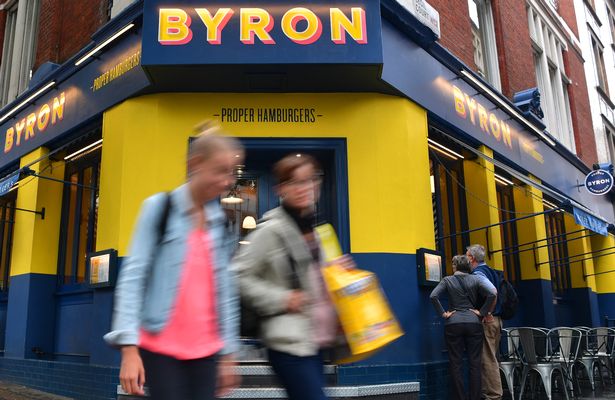 >
>
Byron’s story isn’t unique. We’ve witnessed similar struggles across the restaurant sector. Increased competition, changing consumer preferences, and economic headwinds all play a role. It makes you wonder, is the “premium burger” bubble bursting?
Niyamo Capital plans to rebrand Byron, eyeing trends like smashed burgers and even expansion into Dubai. They seem to believe the fundamentals remain solid. The Sunday Times quotes Tibrewala suggesting operational efficiencies and cost reductions can return Byron to profitability.
That said, optimism should be tempered. The restaurant business operates with notoriously thin margins. “Operational efficiencies” and “cost reductions” often translate to reduced staff or lower-quality ingredients. Will that actually resonate with Byron’s customer base, which initially valued it for its upscale positioning?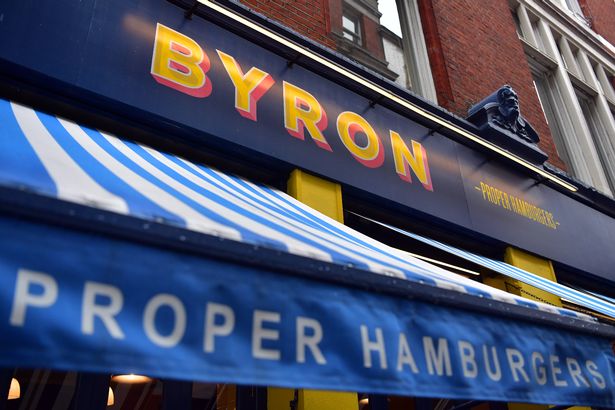 >
>
The brand initially made waves back in 2007 and rose to prominence, but Byron also faced PR nightmares. The George Osbourne incident and the immigration raid damaged its reputation. It’s worth asking, how much lasting impact did these events have on Byron’s decline? Did they simply accelerate an inevitable slide?
The fast-casual market got crowded. New burger joints keep emerging, along with gourmet pizza and specialized sandwich shops, all vying for the same customer. In that environment, standing still equals falling behind. Byron didn’t evolve fast enough.
What’s more, consider the rise of delivery services. Companies such as Deliveroo and Uber Eats dramatically altered dining habits. Did Byron fully capitalize on this shift, or did they cling to a dine-in model for too long?
Beyond Byron’s specific issues, wider economic pressures challenge the entire industry. Rising inflation squeezes consumer spending. Increased energy costs hit restaurants hard. Finding and retaining staff continues to be a major headache. These factors create a perfect storm, especially for brands already struggling.
It strikes me that restaurant survival now hinges on adaptability and shrewd financial management. Concepts must offer something unique, consistently deliver quality, and embrace technology to streamline operations and reach customers. Byron’s new owners clearly grasp the need for change. The question is whether they can execute it effectively.
The planned expansion into Dubai provides an interesting case study. New markets can offer fresh opportunities, but they also bring new challenges. Different tastes, different regulations, and different competitive landscapes can all impact success. A cookie-cutter approach rarely works.
It’s also important not to underestimate the power of brand loyalty. Some customers might still flock to Byron for nostalgic reasons, especially if the quality is maintained. Even so, winning over a new generation of diners will require more than just a name change.
This challenge demands innovation and a genuine understanding of current food trends. The burger market demands something fresh. Byron’s “proper hamburger” concept might feel stale to younger consumers bombarded with choices.
Ultimately, Byron’s fate will serve as a barometer for the health of the UK’s casual dining sector. If Niyamo Capital can pull off this turnaround, it will demonstrate the resilience of established brands and the potential for reinvention. If not, it will serve as a cautionary tale.
I’ve seen this pattern before. Brands failing to innovate, getting bogged down by legacy costs, and ultimately succumbing to market pressures. Byron’s story reminds me that in the restaurant world, nothing is guaranteed.

![[post_title]](https://samony.com.ng/wp-content/uploads/2025/12/Our-favorite-laptops-from-Apple-Razer-HP-and-others-are-300x156.jpg?lm=692CDBDB "Cyber Monday Laptop Deals: Separating Hype from Hardware Value")
![[post_title]](https://samony.com.ng/wp-content/uploads/2025/12/Paramilitary-Recruitment-List-to-Be-Released-December-1.jpg?lm=692CDE70 "Nigeria Paramilitary Recruitment 2025: Selection Phase Begins")

![[post_title]](https://samony.com.ng/wp-content/uploads/2025/12/Agbakoba-writes-minister-recommends-implementation-frameworks.webp-300x225.webp?lm=692CDF03 "Nigeria’s Marine Economy: A Trillion-Naira Dream?")
![[post_title]](https://samony.com.ng/wp-content/uploads/2025/12/1764547830_Gov-Radda-commissions-Jargaba-Primary-Health-Facility-300x200.jpeg?lm=692CDCFA "Katsina Healthcare: Progress or Promise? Analyzing New Investments")

![[post_title]](https://samony.com.ng/wp-content/uploads/2025/12/Delay-in-US-security-help-is-dangerous-731x1024.jpg?lm=692CE651 "Is US Help the Answer to Nigeria’s Security Nightmare?")
![[post_title]](https://samony.com.ng/wp-content/uploads/2025/12/Our-favorite-laptops-from-Apple-Razer-HP-and-others-are-1024x532.jpg?lm=692CDBDB "Cyber Monday Laptop Deals: Separating Hype from Hardware Value")
