

Gary Neville’s Absence: What It Signals for Sports Broadcasting and Entertainment
Gary Neville, a mainstay on Sky Sports’ Premier League coverage, is skipping the Chelsea vs. Arsenal match. Instead, he’s off to the Qatar Grand Prix. The stated reason? He wants a behind-the-scenes look at the Mercedes garage, maybe witness Lando Norris win. It is what it is.
Neville’s decision brings up interesting questions about the evolving priorities within sports broadcasting. Is this simply a case of a commentator taking a personal day, or does it hint at something more significant? Does it highlight a shift in the industry, one where entertainment and experience trump traditional broadcasting duties?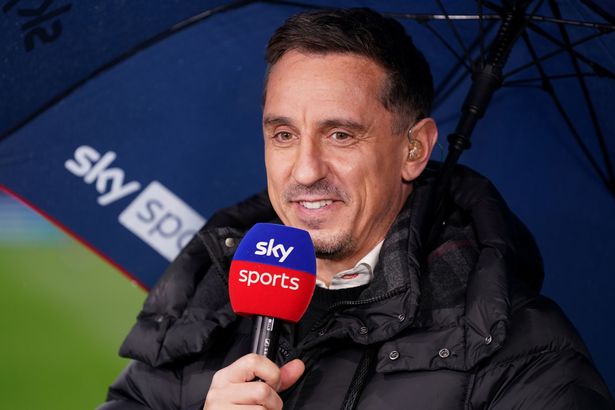 >
>
The Allure of Experiential Entertainment
The Qatar Grand Prix is more than just a race; it’s a high-octane spectacle, a global event dripping with glamour and exclusivity. For Neville, the chance to immerse himself in this environment, to gain access to the inner workings of a Formula 1 team, holds considerable appeal. This aligns with a broader trend: audiences, including commentators, crave immersive, authentic experiences. We’ve seen the rise of fan zones, interactive broadcasts, and behind-the-scenes content. It seems everyone wants to get closer to the action.
The Changing Role of the Pundit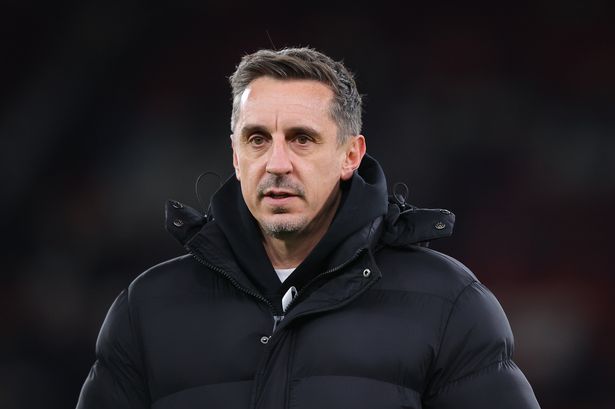 >
>
Traditional sports commentary focused primarily on analysis and play-by-play. Yet, the role of the pundit has evolved. Now, personality, charisma, and the ability to connect with viewers are valued just as highly. Neville’s popularity stems partly from his outspoken nature and willingness to engage in banter. Could his absence reflect a recognition that sometimes, the most valuable contribution a pundit can make is to simply be “present” at a major sporting event, generating buzz and content for their employer through social media and other channels? Perhaps Sky Sports see value in Neville’s brand being associated with F1.
Potential Implications for Viewers
The immediate effect is clear: viewers won’t hear Neville’s analysis during a high-stakes Premier League match. Whether this is a net loss depends on your opinion of his commentary. Theo Walcott and Daniel Sturridge are stepping in, providing analysis from the Sky Sports studios, while Dave Jones will be presenting. These are capable analysts, but they don’t bring the same level of name recognition or, arguably, the same level of polarizing opinions that Neville does.
A Balancing Act: Tradition vs. Innovation
Sky Sports, like other broadcasters, faces a tricky balancing act. They must uphold the standards of their core product – in-depth match coverage – while simultaneously exploring new avenues for engagement and revenue. This often means finding ways to integrate experiential elements into their programming.
Consider the rise of alternative broadcasts, featuring different commentary styles or focusing on specific aspects of the game. These experiments cater to diverse audience segments and provide new revenue streams. However, they also risk diluting the core product and alienating traditional viewers.
The Formula 1 Factor
Neville’s choice also points to the growing overlap between sports and entertainment, particularly in the realm of Formula 1. Under Liberty Media’s ownership, F1 has undergone a significant transformation, prioritizing entertainment and fan engagement. The “Drive to Survive” documentary series on Netflix has been a key driver of this growth, attracting new audiences and boosting the sport’s profile.
Neville’s presence at the Qatar Grand Prix further reinforces this connection, cross-promoting both Sky Sports and Formula 1 to their respective audiences. It’s a symbiotic relationship, with each entity benefiting from the other’s reach and influence.
My Take: A Sign of the Times
Having witnessed similar shifts across industries, I suspect Neville’s absence isn’t just a one-off. It’s a subtle indicator of how sports broadcasting is evolving.
The lines between sports, entertainment, and personal branding are blurring. Commentators are becoming personalities, events are becoming experiences, and broadcasters are becoming content creators.
Ultimately, whether this trend is positive or negative depends on how these changes are managed. Will broadcasters find ways to enhance the viewing experience without sacrificing the integrity of the sport itself? Or will the pursuit of entertainment and engagement overshadow the core product? These are questions the industry will need to grapple with as it navigates this evolving landscape. Sky Sports have to balance attracting new viewers while retaining their core viewership. One thing that’s certain is that the old model of sports broadcasting is being challenged.


![[post_title]](https://samony.com.ng/wp-content/uploads/2025/11/1764515819_Republican-state-senator-from-Indiana-says-he-will-oppose-redistricting-300x200.jpg?lm=692C5FEC "Indiana Republican Senator Opposes Trump Redistricting Over Ableist Slur")
![[post_title]](https://samony.com.ng/wp-content/uploads/2025/11/Ganduje-IPSS-warns-against-formation-of-parallel-Hisbah-outfit-in-300x161.jpeg?lm=692C6019 "Kano Hisbah: A Recipe for Insecurity")
![[post_title]](https://samony.com.ng/wp-content/uploads/2025/11/1764515934_Freddy-Braziers-pregnant-ex-shares-horror-claims-and-real-reason-300x158.jpg?lm=692C605E "Navigating Celebrity Relationships: Trauma, Accountability, and the Child’s Well-being")
![[post_title]](https://samony.com.ng/wp-content/uploads/2025/11/1764514697_What-to-Make-of-a-Hot-IPO-Market-300x189.jpg?lm=692C5B8C "IPO Market Heats Up: Expert Advice on Navigating New Stock Risks")

![[post_title]](https://samony.com.ng/wp-content/uploads/2025/11/Liverpool-news-Alexander-Isak-is-a-problem-for-Arne-Slot-1024x576.jpg?lm=692C634A "Isak’s Liverpool Predicament")
![[post_title]](https://samony.com.ng/wp-content/uploads/2025/11/1764515819_Republican-state-senator-from-Indiana-says-he-will-oppose-redistricting-1024x683.jpg?lm=692C5FEE "Indiana Republican Senator Opposes Trump Redistricting Over Ableist Slur")
