

![[post_title]](https://samony.com.ng/wp-content/uploads/2025/12/1765454455_A-forgotten-hell-hole-in-north-east-Syria-impacts-millions-in.jpg?lm=693AB277)
A new report has severely criticised the United Kingdom’s policy of mass citizenship deprivation, labelling it a “racist two-tier system” that leaves millions vulnerable. The joint investigation by human rights organisation Reprieve and think tank Runnymede Trust highlights the plight of British-linked individuals, including women and children, trapped in dire conditions within camps in north-east Syria. This policy, the report warns, has far-reaching implications, extending beyond those directly affected to encompass a significant portion of the UK population.
The report, released this week, reveals that the UK has stripped more than 200 individuals of their citizenship on “public good” grounds since 2010. This figure positions Britain as an outlier among Western nations, ranking highest in the G20 for such actions, a number surpassed globally only by Bahrain and Nicaragua. This aggressive use of deprivation powers contrasts sharply with countries like Russia and the United States, which have actively worked to repatriate their citizens from conflict zones.
Deep in north-east Syria, camps like Roj and Al-Hol house approximately 42,000 people, primarily the wives, female relatives, and children of suspected ISIS fighters. Among them are between 15 and 20 women and 30 to 40 children, most under ten, with documented links to the UK, enduring what the United Nations describes as ” inhuman, dangerous, and degrading” conditions. Kurdish-led forces guard these sites, but authorities there consistently state they lack the resources to manage the situation indefinitely, particularly following significant cuts to USAID funding.
A particularly stark finding of the Reprieve and Runnymede Trust report exposes a significant racial disparity in the application of these powers. It concludes that people of colour are 12 times more likely to have their British citizenship revoked compared to their white counterparts. This racial imbalance directly underpins the report’s assertion of a “racist two-tier system,” where certain segments of the population face disproportionately higher risks of losing their nationality.
The most high-profile case illustrating this policy is that of Shamima Begum, who was stripped of her citizenship after travelling to Syria at age 15 in 2015. Her case exemplifies the controversial legal provision allowing deprivation even when an individual does not hold another passport, provided there are “reasonable grounds” to believe they are able to acquire another nationality, often based on ancestral links. Other women in Roj camp have reported discovering their loss of British status only when attempting repatriation, being informed the UK does not repatriate “foreigners,” with some even giving birth to stateless children.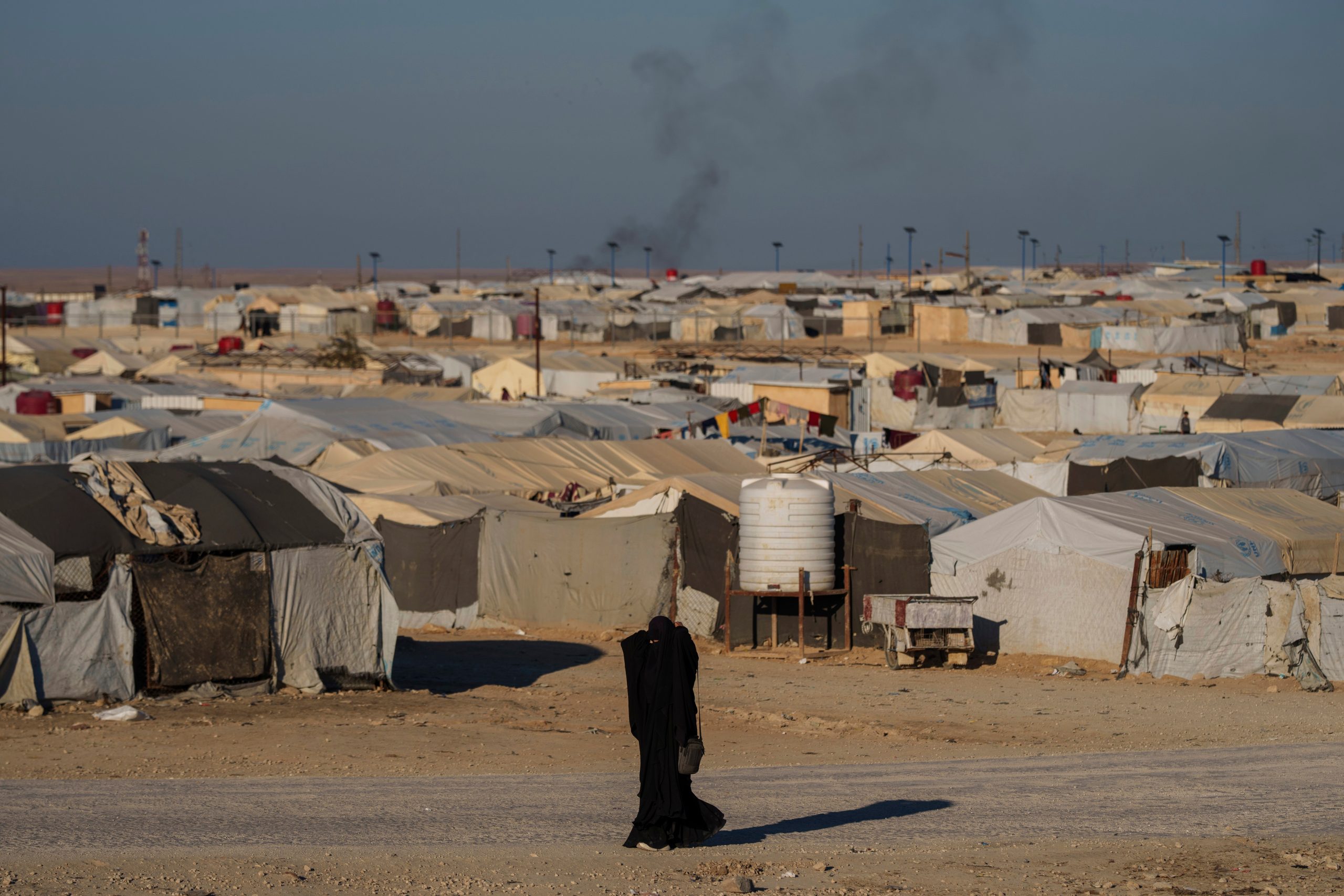
The report criticises the “secretive” nature of the citizenship stripping process, which often denies individuals access to the evidence against them and removes the requirement for the government to inform them directly. Crucially, many of those affected, including individuals held in Syrian prisons and camps, have never faced formal accusations, trials, or any legal proceedings for alleged crimes. This lack of due process raises significant concerns under international law regarding fundamental rights and legal protections.
In response to the report’s publication, the Home Office dismissed its findings as “scaremongering and wrong.” A spokesperson asserted that “only a small number of people have had their citizenship revoked in 15 years,” stating that the system is exclusively employed “to protect the British public from some of the most dangerous people, including terrorists and serious organised criminals.” This official stance maintains that the powers are a necessary tool for national security.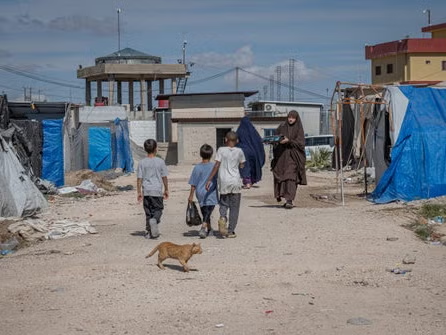
However, critics argue that the Home Office’s defence overlooks the reality that many individuals, like Shamima Begum, have not been formally charged or tried in any recognised court of law. The Kurdish-led authorities managing the camps have repeatedly clarified that they possess no established legal system to initiate investigations or prosecute foreign nationals. They stress their inability to sustain the long-term management of these complex and resource-intensive cases without international cooperation.
Historically, the practice of citizenship deprivation largely fell out of use across Europe after the Second World War, driven by revulsion at the Nazis’ mass stripping of Jewish citizens’ status. In the UK, between 1973 and 2002, deprivations were virtually non-existent, save for cases of fraud. This trend dramatically reversed in recent years, with a reported increase of over 4,000 per cent in deprivations over the last decade, particularly targeting individuals accused of travelling to Syria to join ISIS.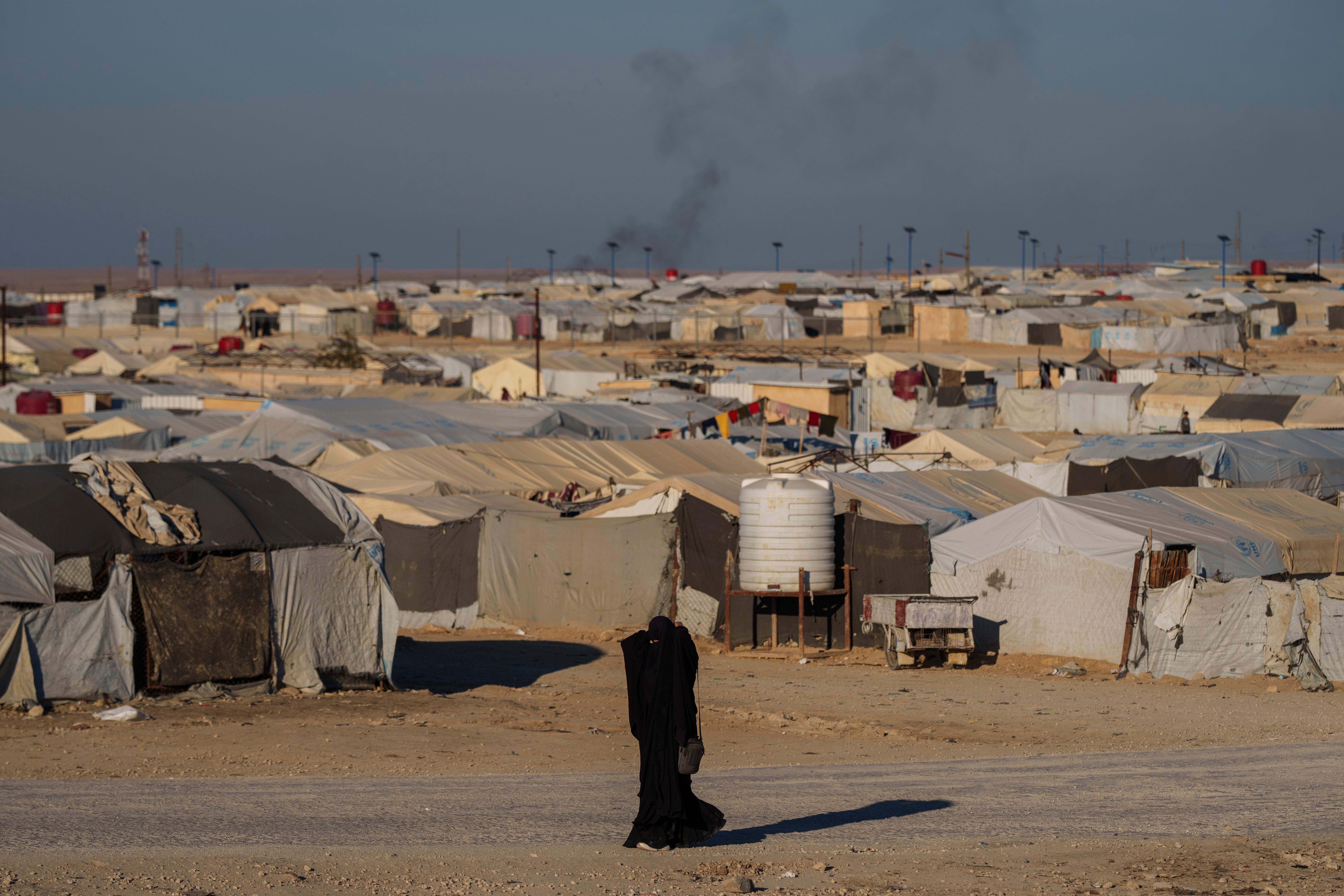
Families affected by these policies describe a deeply unsettling system where they feel powerless to challenge decisions, lacking vital information and due process. Testimonies shared anonymously with the report paint a picture of profound injustice. One individual, Faisal, whose brother’s citizenship was revoked, warned that society is “sleepwalking” into a dangerous erosion of fundamental rights, cautioning that “most people don’t know” the extent of the vulnerability this legislation creates for a vast segment of the population.

![[post_title]](https://samony.com.ng/wp-content/uploads/2025/12/War-against-corruption-in-Nigeria-like-fighting-Colombian-drug-cartels-300x169.jpg?lm=693AAADF "Nigerian Anti-Graft Boss Details Arrest, Likens Corruption Fight to Drug War")
![[post_title]](https://samony.com.ng/wp-content/uploads/2025/12/1765452560_BLord-buys-3000-bags-of-rice-to-distribute-to-his-300x150.jpg?lm=693AAB12 "BLord’s Christmas Generosity: 3,000 Bags of Rice for Ebenebe")

![[post_title]](https://samony.com.ng/wp-content/uploads/2025/12/Sky-Sports-Darts-host-Emma-Patons-rumoured-romance-and-fan-300x200.jpeg?lm=693AA8F6 "Emma Paton Leads Sky Sports Darts Coverage for World Championship")
![[post_title]](https://samony.com.ng/wp-content/uploads/2025/12/1765452152_A-Tax-Diversification-Strategy-for-Your-Retirement-Income-300x169.jpg?lm=693AA97A "Strategic Tax Diversification for Secure Retirement Income")
![[post_title]](https://samony.com.ng/wp-content/uploads/2025/12/1765451298_Top-10-acts-of-kindness-Brits-perform-to-spread-joy-300x158.jpg?lm=693AA623 "British Festive Generosity Peaks in December, Study Reveals")

![[post_title]](https://samony.com.ng/wp-content/uploads/2025/12/1765452413_Lady-in-viral-voice-note-speaks-after-lambasting-man-who-1024x512.jpg?lm=693AAA7F "Woman Defends Criticism After Man Fails to Pay for Meal")
![[post_title]](https://samony.com.ng/wp-content/uploads/2025/12/War-against-corruption-in-Nigeria-like-fighting-Colombian-drug-cartels-1024x576.jpg?lm=693AAAE0 "Nigerian Anti-Graft Boss Details Arrest, Likens Corruption Fight to Drug War")
![[post_title]](https://samony.com.ng/wp-content/uploads/2025/12/1765452560_BLord-buys-3000-bags-of-rice-to-distribute-to-his-1024x512.jpg?lm=693AAB12 "BLord’s Christmas Generosity: 3,000 Bags of Rice for Ebenebe")
