

Tony Bloom, Brighton & Hove Albion, and the Murky Waters of High-Stakes Betting: A Critical Look
Allegations surfaced recently that Brighton & Hove Albion’s owner, Tony Bloom, ran a massive, secret betting syndicate. Reports suggest the syndicate, potentially involving figures like George Cottrell, a former aide to Nigel Farage, may have handled staggering sums – some £600 million annually. The accusations stem from a legal dispute with a former associate, Ryan Dudfield, who claims he’s owed a significant share of the profits. These claims, filed in High Court documents, shine a light on the opaque world of professional sports betting.
These kinds of stories often have layers. The core claim is that Bloom controlled betting accounts, potentially using Cottrell as a proxy, to generate substantial winnings through a syndicate called Starlizard. Dudfield, in turn, suggests he has a right to a cut of those winnings. The numbers being thrown around are eye-watering – hundreds of millions in alleged annual profit.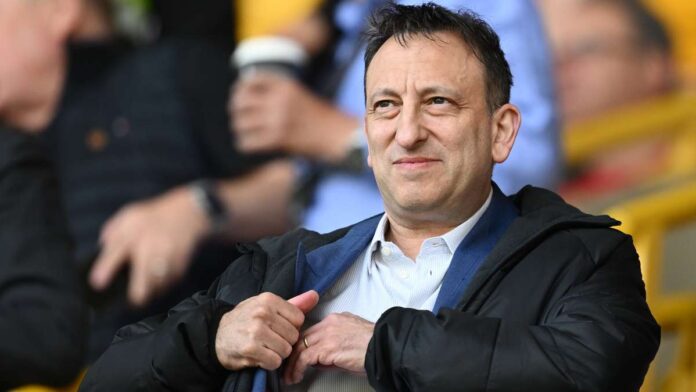 >
>
It’s worth noting Bloom’s background. He’s not just a football club owner; he’s a known quantity in the gambling world, someone who made his fortune through poker and other betting ventures. This lends a certain weight to the accusations, even before considering the legal documents. Brighton’s success under Bloom adds another dimension. His heavy investment in the club, the stadium, and player development is undeniable. The team’s smart player trading has generated substantial profits, but questions arise if some of those profits are from other means. The club and Bloom have not commented on the allegations.
The alleged involvement of George Cottrell introduces an element of political intrigue, given his connection to Nigel Farage. The claim that Cottrell, described as an “unsuccessful gambler,” ceded control of his betting accounts to Bloom’s syndicate raises eyebrows. It hints at a system designed to obscure the source of the funds and potentially sidestep regulations. It’s difficult to ignore the potential implications for the integrity of football. If a club owner has a direct financial stake in betting outcomes, where do you draw the line?
It’s too early to make definitive pronouncements. These are allegations, not proven facts. A High Court case is the arena for testing the veracity of these claims. Still, the story reveals a tension at the heart of modern football. The sport has become heavily financialized, attracting investors from diverse backgrounds, including those with ties to the gambling industry.>
The sheer scale of the alleged betting operation is striking. If the claims are true, £600 million annually is a serious sum. One needs to ask whether a betting syndicate of this magnitude could truly remain hidden for so long, and what oversight mechanisms, if any, failed to detect it.
The story also raises questions about the role of inside information in sports betting. The claims that accounts belonging to footballers, sportsmen and businessmen were involved suggests the Starlizard syndicate had access to information that wasn’t widely available. That kind of information asymmetry can create an unfair advantage, undermining the integrity of the game.
It would be interesting to delve into the specifics of Dudfield’s alleged profit-sharing agreement. He claims he’s owed millions based on a 7% share of the syndicate’s winnings. The details of that agreement will likely be crucial to the outcome of the legal battle. It is worth examining the motivation behind the accuser. Is it really about the money, or is there something else going on?
Brighton & Hove Albion, to their credit, have built a reputation for smart management and on-field success. They have become a model for other clubs looking to punch above their weight. But this story casts a shadow over that success, raising questions about the financial foundations on which the club is built.
The incident serves as a reminder that the world of professional sports is increasingly intertwined with the gambling industry. This creates opportunities, but it also poses risks. As the sums involved continue to grow, the potential for conflicts of interest and integrity issues only increases. In order to safeguard the fairness and transparency of the sport, governing bodies need to increase scrutiny and enforcement. This situation warrants a close look from football authorities. They need to examine the allegations, assess the potential impact on the game, and take appropriate action if wrongdoing is uncovered. The reputation of football depends on it.

![[post_title]](https://samony.com.ng/wp-content/uploads/2025/12/Leadership-transition-at-Construction-Kaiser-ushers-in-Euchenhofer-as-CEO-300x171.png?lm=693168CA "CKL’s CEO Change: Navigating Nigeria’s Construction Realities, Not Just a Global Playbook")

![[post_title]](https://samony.com.ng/wp-content/uploads/2025/12/Why-Presidency-Is-Silent-Over-The-Controversy-On-Ambassadorial-List.jpg?lm=69316934 "Nigeria’s Ambassadorial List: Why the President Isn’t Talking—And What It Means.")
![[post_title]](https://samony.com.ng/wp-content/uploads/2025/12/1764846161_Trumps-loyalist-Elias-Gerasoulis-blasts-Bashir-Ahmad-raises-question-about-300x150.jpg?lm=69316A54 "Nigeria’s Democracy on Trial: Foreign Meddling or Fair Criticism?")


![[post_title]](https://samony.com.ng/wp-content/uploads/2025/12/1764846049_Everyones-complaining-about-Spotify-Wrapped-for-this-one-brutal-reason-1024x538.jpg?lm=693169E3 "Spotify Wrapped 2025: Ageism in Your Algorithm?")
![[post_title]](https://samony.com.ng/wp-content/uploads/2025/12/Leadership-transition-at-Construction-Kaiser-ushers-in-Euchenhofer-as-CEO.png?lm=693168C9 "CKL’s CEO Change: Navigating Nigeria’s Construction Realities, Not Just a Global Playbook")
