Cracker Barrel, a beloved institution known for its Southern comfort food and rustic charm, is currently grappling with significant Cracker Barrel customer backlash. The latest wave of discontent stems from the reported discontinuation of its New Year’s Day black-eyed peas tradition, a move that has deeply upset long-time patrons. This decision isn’t an isolated incident but rather the latest in a series of controversial changes, including a recent logo rebrand and restaurant redesign, which have left many loyal customers feeling alienated and questioning the future direction of the iconic chain. The company’s efforts to modernize appear to be clashing with the deeply held traditions and expectations of its core customer base.
What happened to Cracker Barrel black eyed peas? The answer is the restaurant chain has quietly discontinued its long-standing New Year’s Day tradition of serving free black-eyed peas, a dish culturally significant in the South for bringing good luck. This change, while seemingly minor, has sparked considerable outrage among customers who cherish the tradition.
For generations, black-eyed peas have been an essential part of New Year’s Day celebrations across the American South. Often served alongside collard greens, cornbread, and pork, they symbolize prosperity and good fortune for the coming year. Families have made annual pilgrimages to Cracker Barrel to partake in this culinary ritual, making the restaurant a seasonal destination. The removal of such a deeply embedded tradition is perceived by many as a direct disregard for the cultural values and loyalties of its patrons, fueling the ongoing Cracker Barrel customer backlash.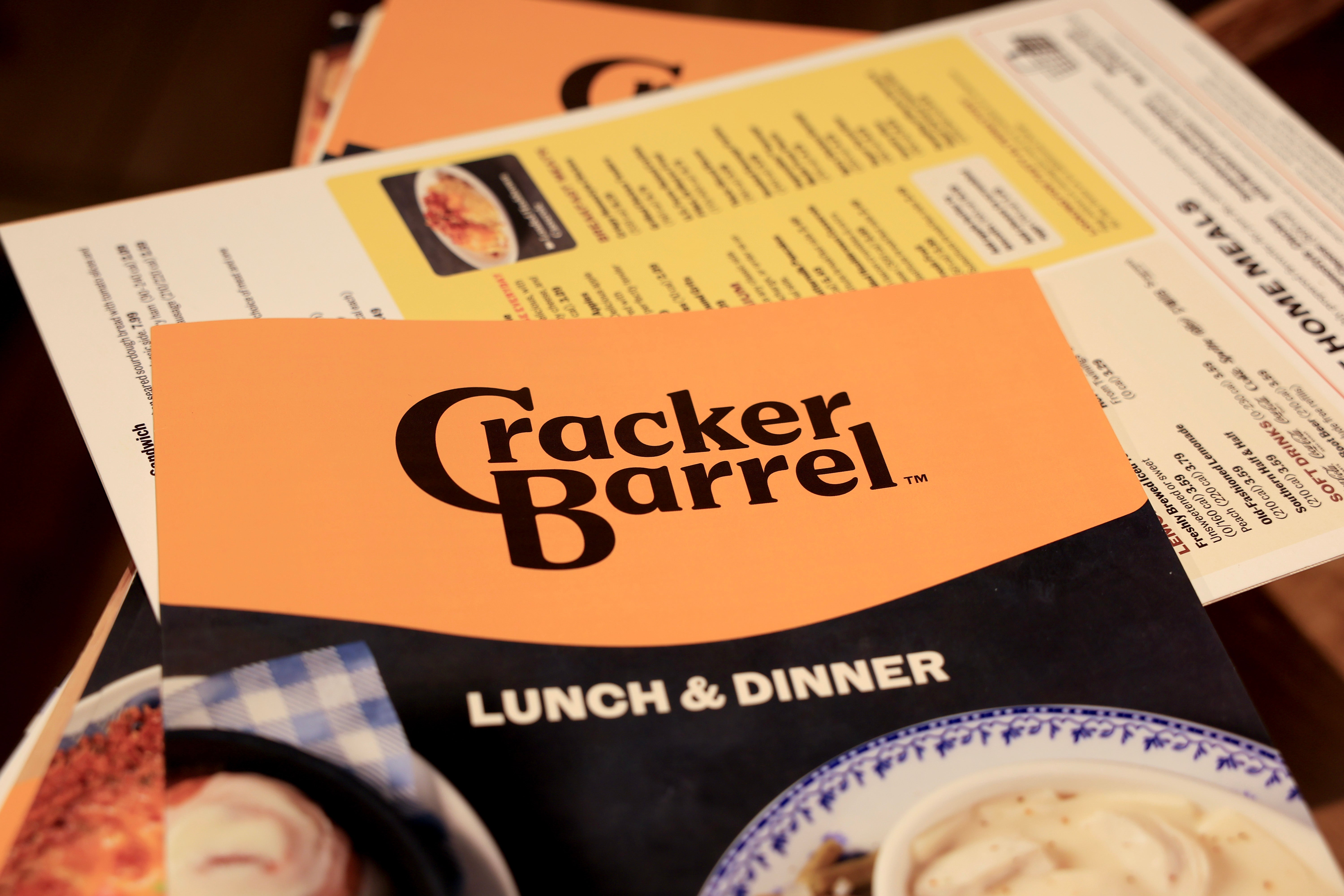
Why is Cracker Barrel changing its core offerings and aesthetics? The motivations behind Cracker Barrel’s strategic shifts are reportedly aimed at modernizing the brand and appealing to a broader, perhaps younger, demographic. However, this pursuit of new customers seems to be coming at the expense of its established fan base. The company’s recent actions, including the menu adjustments and the aesthetic overhaul, suggest a pivot away from the very identity that made it a household name.
Prior to the black-eyed peas controversy, the company faced substantial criticism for its 2025 rebrand efforts. These changes included a simpler font for its logo and a move towards more minimalist decor within its restaurants, departing from the cluttered, antique-filled, rustic Southern style that was a hallmark of the brand. This perceived abandonment of its Tennessean heritage and traditional charm was widely lambasted across social media platforms, with many influencers and commentators branding the changes as “woke” and out of touch with the company’s roots. The Cracker Barrel rebrand explained in company memos often highlighted a desire for freshness, but the execution alienated a significant portion of its long-standing clientele.
Cracker Barrel CEO Julie Felss Masino news has been a central point of discussion surrounding these controversies. Masino, who took the helm with a vision for the company’s evolution, has openly acknowledged the intense criticism. She famously remarked that she felt as though she had been “fired by America” in response to the backlash. Her leadership has been directly associated with the company’s new direction, making her a focal point for both criticism and calls for strategic reassessment from disgruntled customers.
The financial implications of this widespread discontent have been stark. Following the disastrous rebrand attempt, Cracker Barrel reportedly lost $94 million in a single day, with its stock price plunging significantly. While some recovery was noted, the initial drop highlighted the tangible impact of negative public sentiment on the company’s market valuation. This financial hit underscores the delicate balance companies must strike between innovation and preserving brand identity, especially when that identity is deeply intertwined with cultural tradition.
Many customers are now drawing comparisons, asking whether Cracker Barrel vs Bob Evans offers a more authentic family dining experience, or if other regional chains are better preserving their heritage. The sentiment among the most vocal critics is that Cracker Barrel is actively alienating its core demographic. Social media platforms, particularly X (formerly Twitter), have been flooded with comments from customers vowing never to return, accusing the company of being “at war with your own customer base” and abandoning the very essence of what made it special.
Beyond the black-eyed peas and rebrand, there’s a broader discussion about Cracker Barrel menu changes vs old menu offerings. Patrons often express nostalgia for specific items or the overall consistency of the traditional menu. This constant evolution, perceived as a degradation of quality or authenticity, contributes to the overall erosion of trust and loyalty. The company’s strategic decisions for the future, perhaps outlined in a Cracker Barrel strategy update 2026, will be closely scrutinized by both investors and its fervent customer base.
Looking ahead, the question remains how Cracker Barrel will navigate these turbulent waters. Will it heed the calls of its loyal customers and reconsider some of its more controversial changes, or will it continue on its path of modernization, hoping to attract new patrons while risking further alienating its established base? The current Cracker Barrel customer backlash serves as a potent reminder of the power of consumer sentiment and the importance of understanding a brand’s deep-seated connection with its audience. The company’s ability to recover and thrive will depend on its capacity to balance innovation with the preservation of its beloved traditions.
For those seeking guidance on how to navigate the evolving landscape of customer relations in the restaurant industry, or even a Cracker Barrel customer backlash guide, understanding the nuances of brand loyalty and tradition is paramount. The ongoing saga at Cracker Barrel offers a compelling case study in the challenges of corporate rebranding and the potential pitfalls of underestimating the emotional connection customers have with a brand’s heritage. The future success of Cracker Barrel, and other similar brands, will hinge on their ability to listen, adapt, and respect the very customers who built their legacy.