The question of who is in charge of Venezuela has become paramount following an extraordinary operation that saw President Nicolas Maduro captured and flown to New York. This dramatic development has plunged the South American nation into a new era of political uncertainty and international scrutiny. The events unfolded rapidly, with reports of explosions and low-flying aircraft in Caracas, culminating in the US confirming Maduro’s apprehension and indictment on serious charges including narco-terrorism. The global community is now watching closely to understand the immediate and long-term implications for Venezuela’s leadership and its future direction.
The overnight raid, described as a “large-scale” attack, has sent shockwaves across the international community, coming after months of escalating tensions between Maduro’s government and the United States. While the US President asserted that America would temporarily run Venezuela and seize control of its oil infrastructure, a clear answer regarding the country’s immediate leadership was initially elusive. This power vacuum necessitated swift action within Venezuela’s political structure to maintain a semblance of governance amidst the unfolding crisis.
What is next for Venezuela? The nation faces an unprecedented period of transition, grappling with the absence of its long-standing leader and the direct intervention of a foreign power. The immediate aftermath has seen internal political maneuvering, international condemnation from allies of the former regime, and cautious optimism from opposition factions. The country’s vast natural resources, particularly its oil reserves, are central to the geopolitical interests at play, adding another layer of complexity to its uncertain path forward.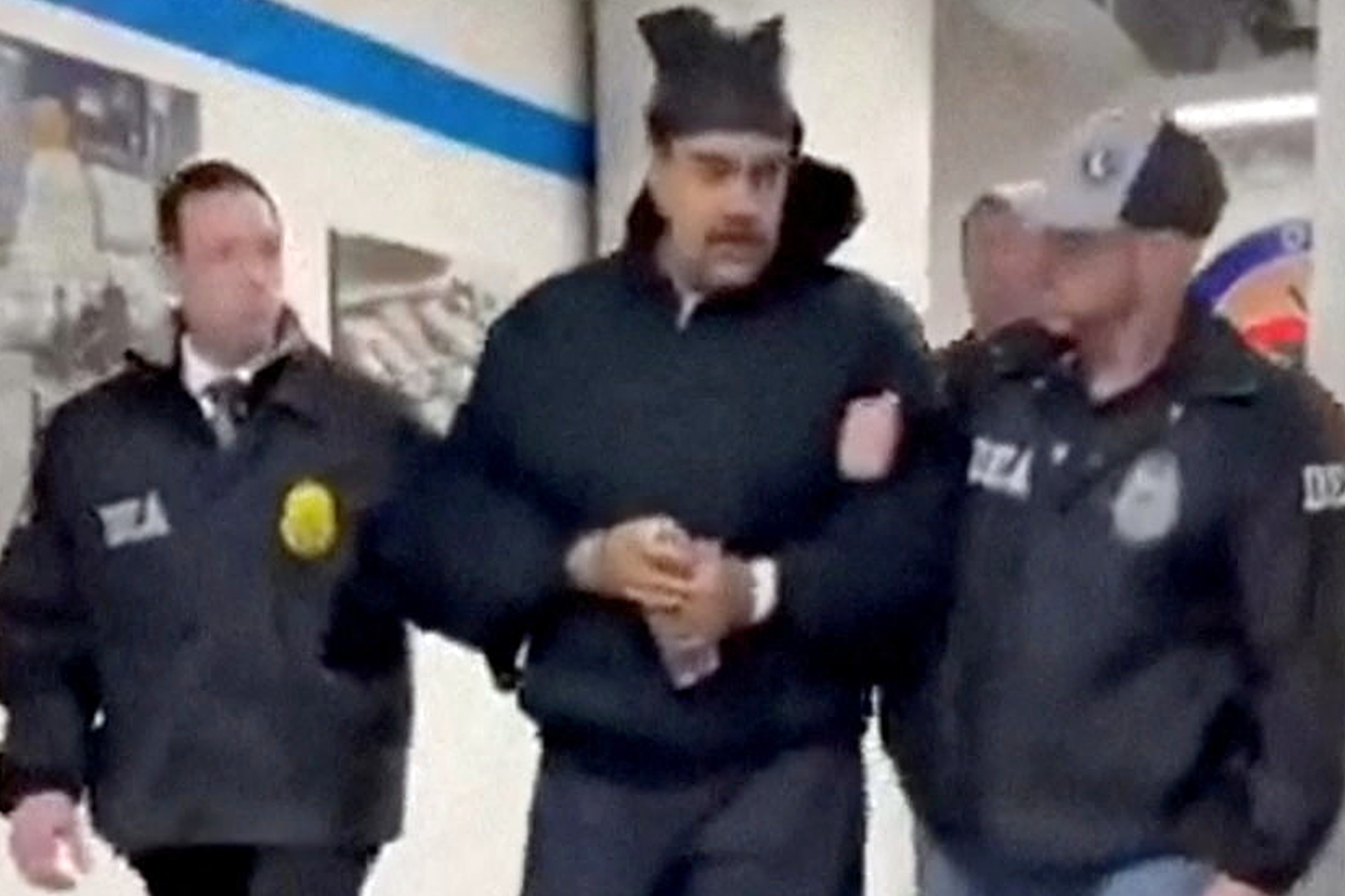
Who is in charge of Venezuela? The answer is, following the recent dramatic events, Venezuela’s Vice-President Delcy Rodríguez has been sworn in as the interim president by the nation’s Supreme Court. This development occurred after the capture of Nicolas Maduro, creating an immediate power vacuum and significant uncertainty regarding the country’s leadership.
To understand Venezuela crisis, it’s crucial to look at the historical context of its political landscape, often characterized by deep divisions between socialist policies and opposition movements. The capture of Maduro marks a significant departure from the status quo, potentially reshaping the dynamics between factions previously represented by figures like Maduro vs Guaido. The US administration’s stated intent to oversee a “safe, proper and judicious transition” suggests a prolonged period of external influence on Venezuela’s internal affairs, further complicating the notion of sovereign leadership.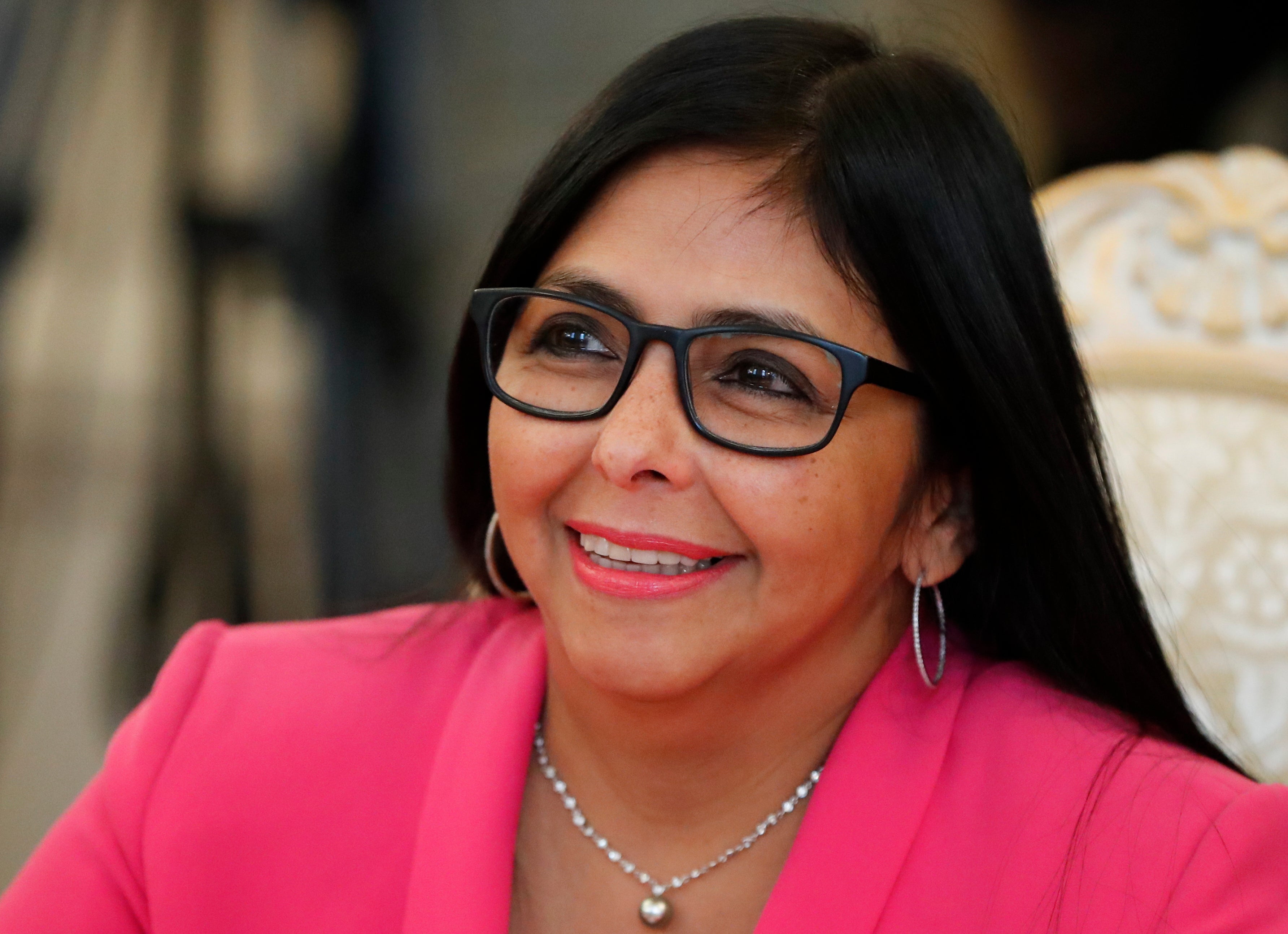
The US intervention Venezuela news has been met with a mix of reactions globally. While some nations have condemned the operation as a violation of sovereignty, others have expressed support for a change in leadership. The focus on Venezuela’s oil infrastructure by the US highlights the economic stakes involved, drawing parallels to discussions around Venezuela oil vs US oil interests. The US has maintained that its actions are not about acquiring Venezuelan oil but preventing it from being controlled by adversaries.
Nicolas Maduro has arrived in New York and is currently awaiting his first court appearance, facing charges that include conspiracy to commit narco-terrorism and import cocaine. The legal proceedings against him and his wife, Cilia Flores, are expected to be lengthy and highly publicized, with potential implications that could extend far beyond 2026. This legal battle will undoubtedly cast a long shadow over Venezuela’s political future, as the world watches the unfolding drama of a former head of state facing justice in a foreign court.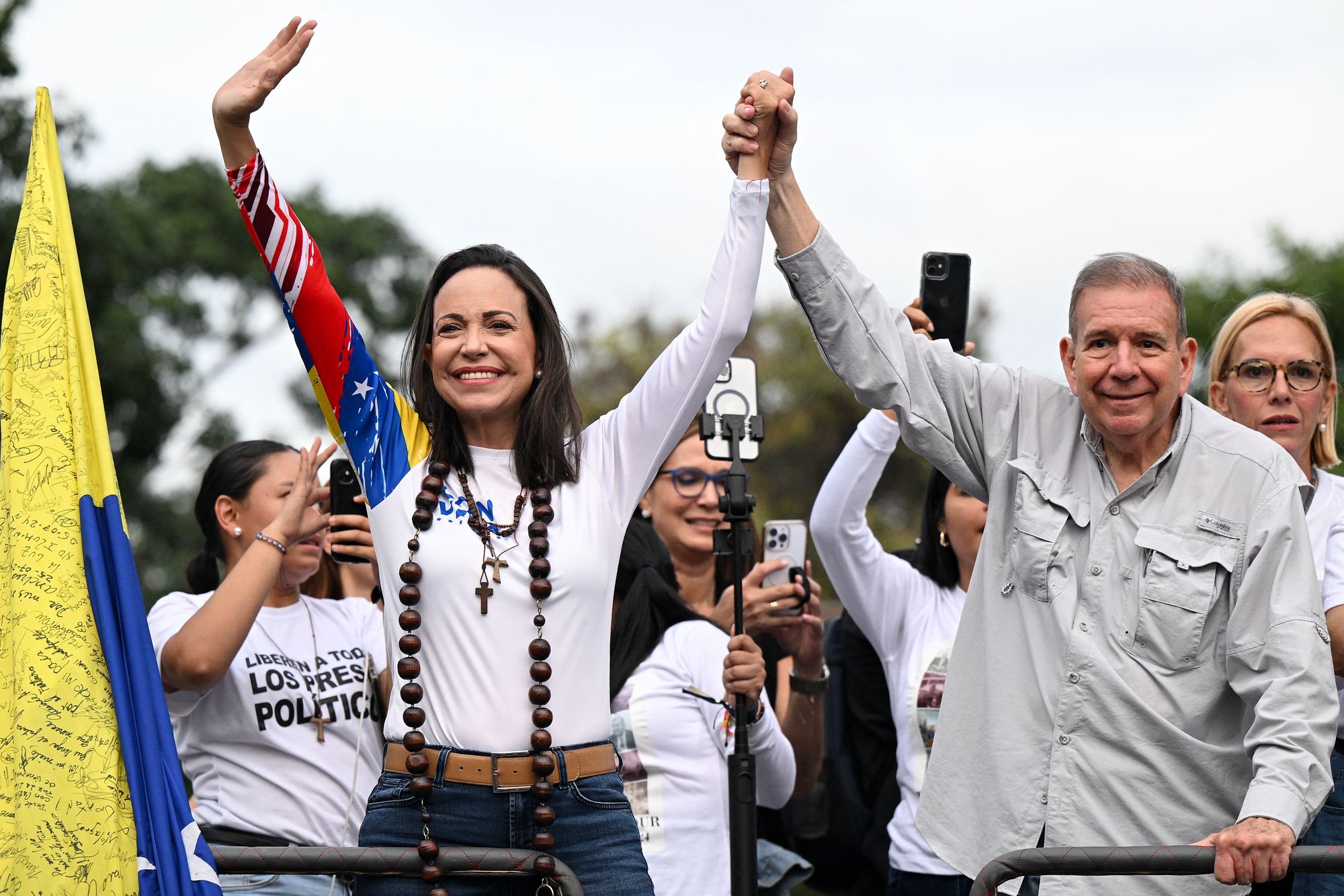
The international community’s response to the Venezuela leadership crisis has been varied. Protests erupted in Caracas demanding Maduro’s return, while Venezuelan communities abroad celebrated the news. Allies like Russia and Iran swiftly condemned the US military action, labeling it as armed aggression and a blatant violation of national sovereignty. These reactions underscore the deep geopolitical fault lines that the events in Venezuela have exposed, making a unified international approach to the crisis challenging.
Looking ahead, the Venezuela political outlook 2026 remains highly speculative. With an interim government in place and significant US involvement, the country faces a monumental task of rebuilding its institutions and economy. The Maduro trial implications 2026 could also significantly influence stability, depending on the outcome and how it resonates within Venezuela. The nation’s rich mineral wealth, valued at trillions, presents both an opportunity for recovery and a potential flashpoint for continued international interest and competition.
Ultimately, the path forward for Venezuela is fraught with challenges. The immediate future hinges on the consolidation of the interim government, the international community’s engagement, and the long-term resolution of Maduro’s legal fate. The question of who is in charge of Venezuela today has been answered, but the stability and legitimacy of that leadership will be continually tested as the nation navigates this unprecedented period of change and seeks to redefine its place on the global stage.