


A crucial debate around federal law enforcement effectiveness centers on the fundamental question: what is ICE agent training? Recent claims from a former Department of Homeland Security (DHS) official have ignited a significant controversy, suggesting that new Immigration and Customs Enforcement (ICE) recruits receive less comprehensive instruction than even animal control officers. This alarming assertion has brought the rigorousness and adequacy of ICE’s preparation programs under intense scrutiny, especially in the wake of high-profile incidents involving federal agents.
Former D.C. Chief of Homeland Security and Intelligence Donell Harvin highlighted these concerns, pointing to incidents like the Minneapolis shootings where a U.S. citizen was fatally shot. Harvin’s comments underscore a critical need for transparent and effective training protocols within all law enforcement agencies, particularly those with such significant public interaction and authority. The implications of insufficient preparation extend beyond individual officers to the broader public trust and safety.
What is ICE agent training? It is the rigorous program designed for aspiring Immigration and Customs Enforcement officers, encompassing law enforcement tactics, immigration law, use of force protocols, and de-escalation techniques to prepare them for complex situations. This training aims to equip agents with the necessary skills to enforce federal immigration laws while ensuring public safety.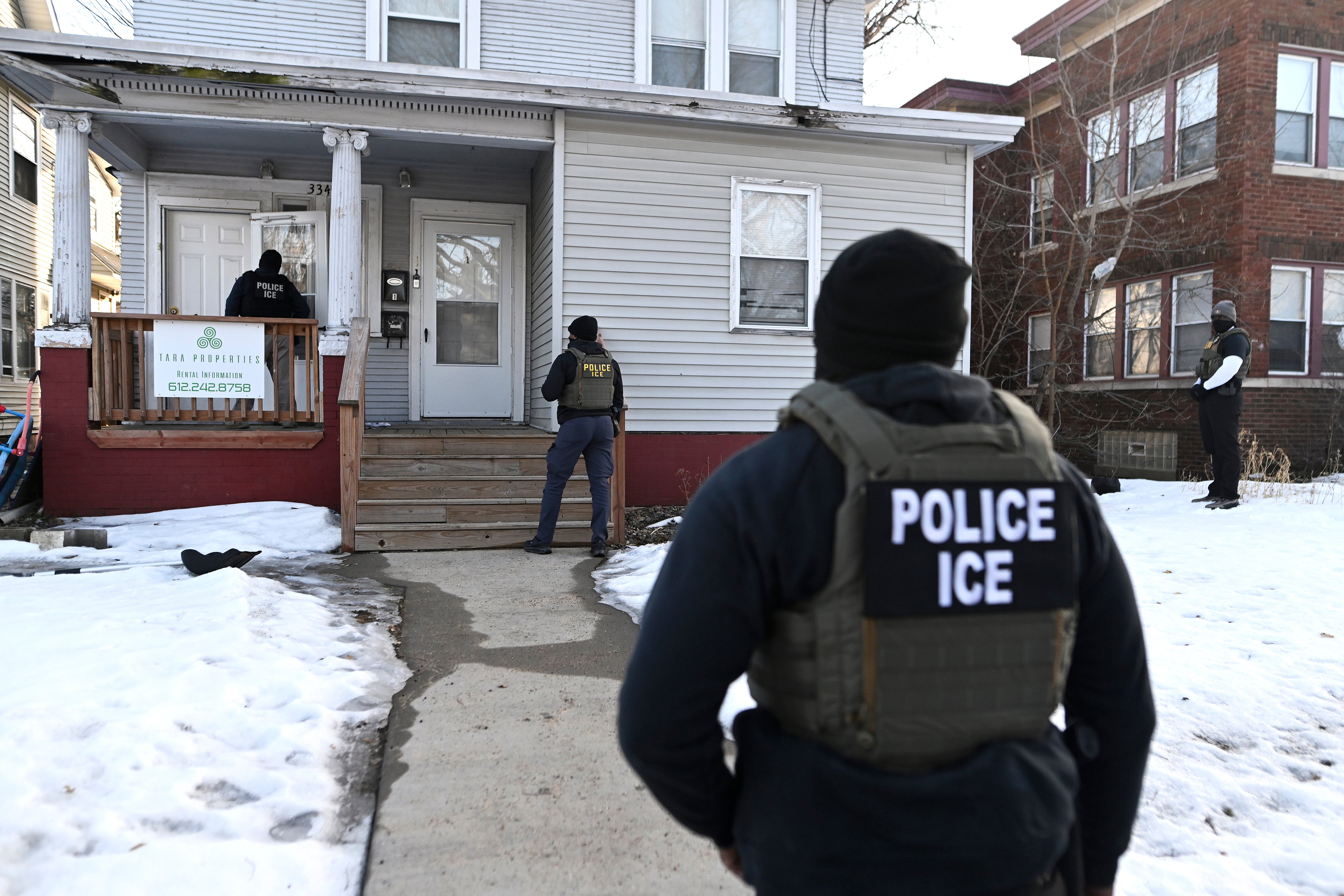
The core of the controversy stems from reports alleging a drastic reduction in training duration. While new ICE officers reportedly used to undergo approximately five months of comprehensive training, unnamed officials cited by The Atlantic claimed this was shortened to a mere 47 days. This dramatic cut raises serious questions about how much training do ICE agents receive, particularly when compared to other law enforcement professions. The article also suggested political motivations behind the change, linking it to the 47th presidency, alongside the elimination of Spanish language courses.
The most striking comparison made by critics draws a parallel between ICE agent training vs animal control. Harvin explicitly stated that in many states, an animal control officer must complete twice as much training to carry a firearm, execute warrants, and make arrests than an ICE agent. This stark contrast highlights a perceived disparity in the foundational preparation for roles that involve significant public interaction and the potential use of force, leading to calls for a more robust ICE agent training guide.
The implications of shortened or inadequate training are profound, potentially contributing to the ICE agent training controversy and incidents involving federal agents. The original article mentions two Minneapolis shootings within a week, one resulting in the death of a U.S. citizen. Such events amplify the public’s concern over whether agents are adequately prepared to handle dangerous situations with proper police safety and de-escalation techniques.
DHS, however, has pushed back against these claims, stating that all ICE candidates undergo months of training designed to prepare them for potentially violent situations. They emphasize that officers are taught how to protect themselves and others, de-escalate conflicts, and use the minimum amount of force necessary. This perspective outlines the official DHS training requirements explained to prioritize both public and officer safety.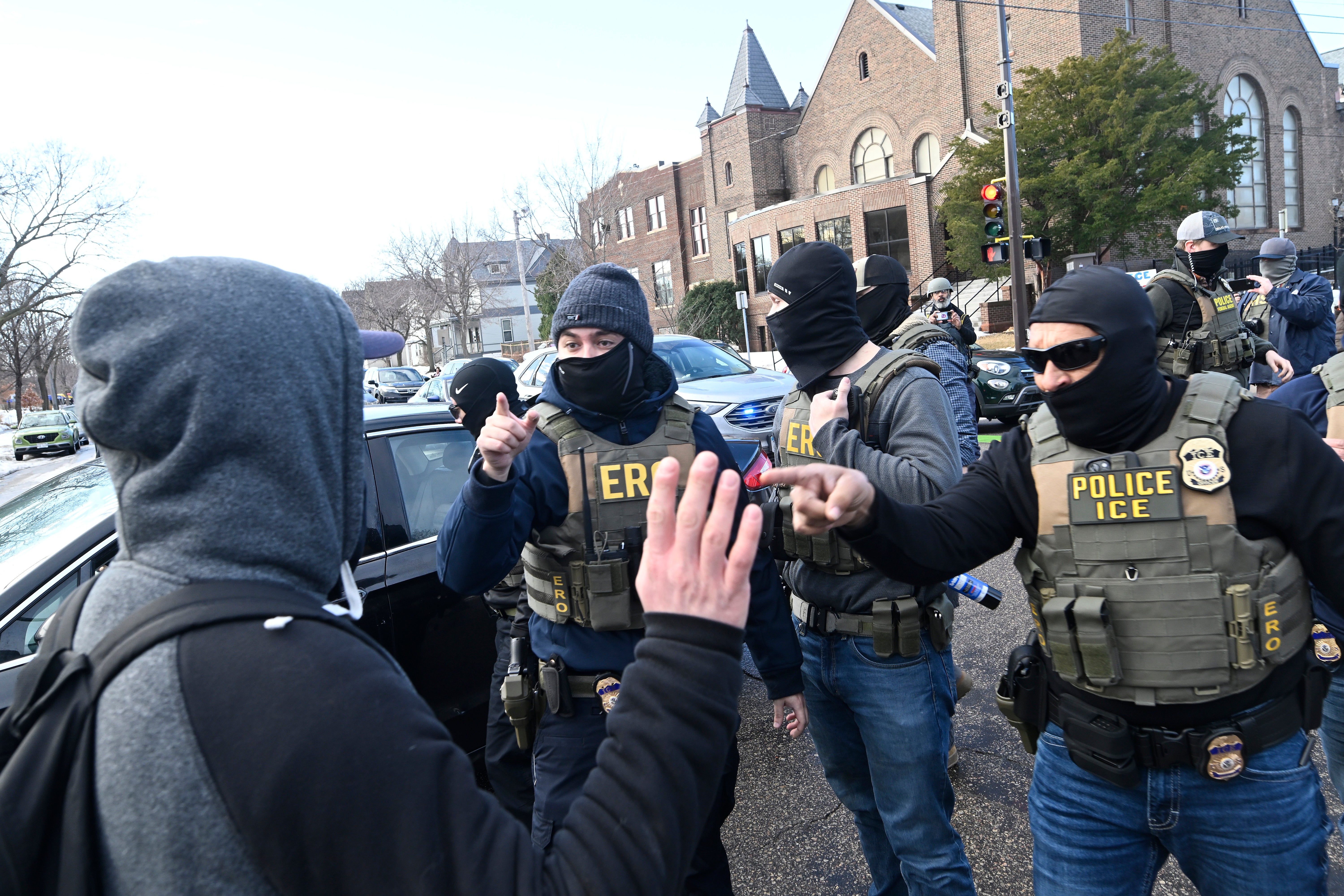
When considering ICE agent training vs police academy programs, the discrepancies become even clearer. General police training often involves extensive periods covering constitutional law, community policing, firearms proficiency, and crisis intervention over several months. While DHS states its standard training for enforcement and removal operations is eight weeks, critics argue this still falls short of the comprehensive preparation expected for federal agents operating in diverse and sensitive environments.
Looking ahead, discussions about future standards and the need for continuous improvement are vital. The development of ICE agent training standards 2026 will likely focus on addressing current criticisms, potentially re-evaluating training durations, curriculum content, and the integration of advanced de-escalation tactics. This forward-looking approach is essential for ensuring that ICE agents are equipped with the best possible skills.
The broader context of DHS immigration policy update also plays a significant role in shaping training needs. Changes in policy, enforcement priorities, and public expectations necessitate adaptive and responsive training programs. A comprehensive DHS training guide 2026 would ideally reflect these evolving demands, ensuring agents are prepared for the complexities of modern immigration enforcement while upholding human rights and public safety.
Ultimately, the effectiveness and public perception of federal law enforcement agencies like ICE are inextricably linked to the quality of their training programs. A thorough and continuously updated curriculum is not merely a bureaucratic requirement but a fundamental pillar of public trust and operational success. Ensuring agents are fully prepared for their demanding roles is paramount.
In conclusion, understanding what is ICE agent training involves examining not just the official curriculum but also the ongoing debates about its adequacy, duration, and comparison to other law enforcement professions. The calls for enhanced training reflect a societal demand for highly competent and accountable federal agents, capable of navigating complex situations with professionalism and adherence to safety protocols.








