


The latest Venezuela explosions update has sent shockwaves through the capital, Caracas, sparking immediate accusations from the Venezuelan government against the United States. Residents reported multiple blasts and low-flying aircraft in the early hours, escalating an already tense geopolitical standoff. This development comes amidst long-standing friction between Washington and Caracas, with the US having previously issued threats regarding military action in the region. The situation demands a clear understanding of the underlying causes and potential ramifications for international relations.
For those seeking to understand the Venezuela crisis for beginners, it’s crucial to acknowledge the deep-seated animosity and conflicting interests that define the relationship between the two nations. Venezuela, a country rich in oil and mineral resources, has been under the socialist rule of President Nicolas Maduro, a figure heavily sanctioned by the United States. Washington, under various administrations, has openly supported opposition movements and called for regime change, citing concerns over democracy, human rights, and alleged narco-terrorism.
Witnesses across several neighborhoods in Caracas described a terrifying scene, with at least seven explosions heard and smoke seen rising from various areas around 2 am. The Venezuelan government confirmed that attacks occurred on both civilian and military installations, extending beyond the capital to Miranda, Aragua, and La Guaira. This widespread targeting suggests a coordinated effort, intensifying the mystery surrounding what caused Venezuela explosions.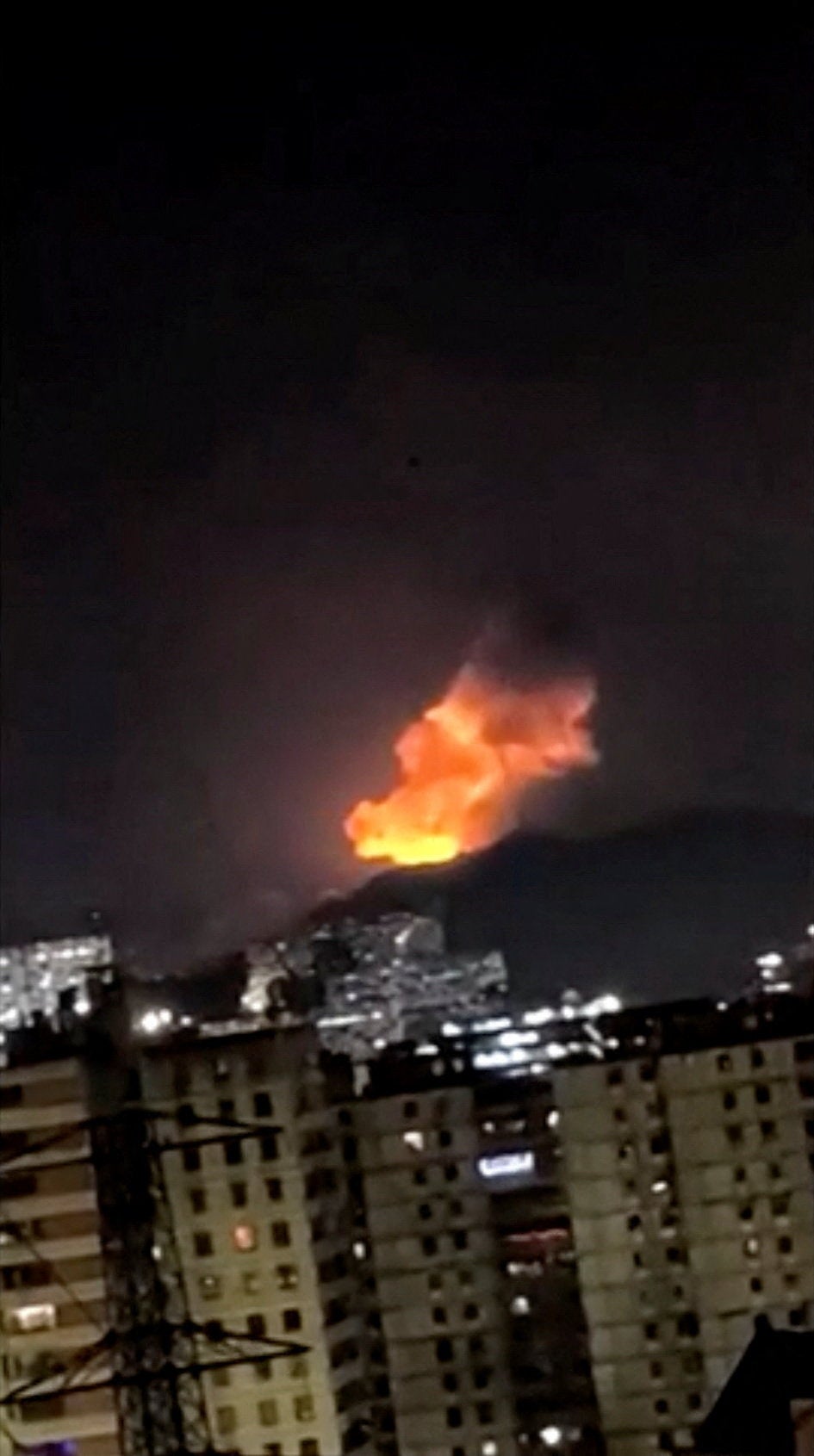
What caused the recent Venezuela explosions? The Venezuelan government blames the United States for military aggression, targeting civilian and military installations. These incidents follow months of escalating US-Venezuela tensions and prior threats from American officials regarding operations on Venezuelan soil, with Caracas claiming the goal is to seize its oil resources.
Caracas vehemently rejected what it termed “military aggression” by the US, asserting that the ultimate goal of these actions is to “take possession of Venezuelan oil and minerals.” This narrative forms a core part of the Venezuelan government’s public messaging, framing the conflict as an imperialist attempt to exploit the nation’s vast natural wealth. The accusations highlight the deep mistrust that characterizes Maduro vs Trump Venezuela rhetoric.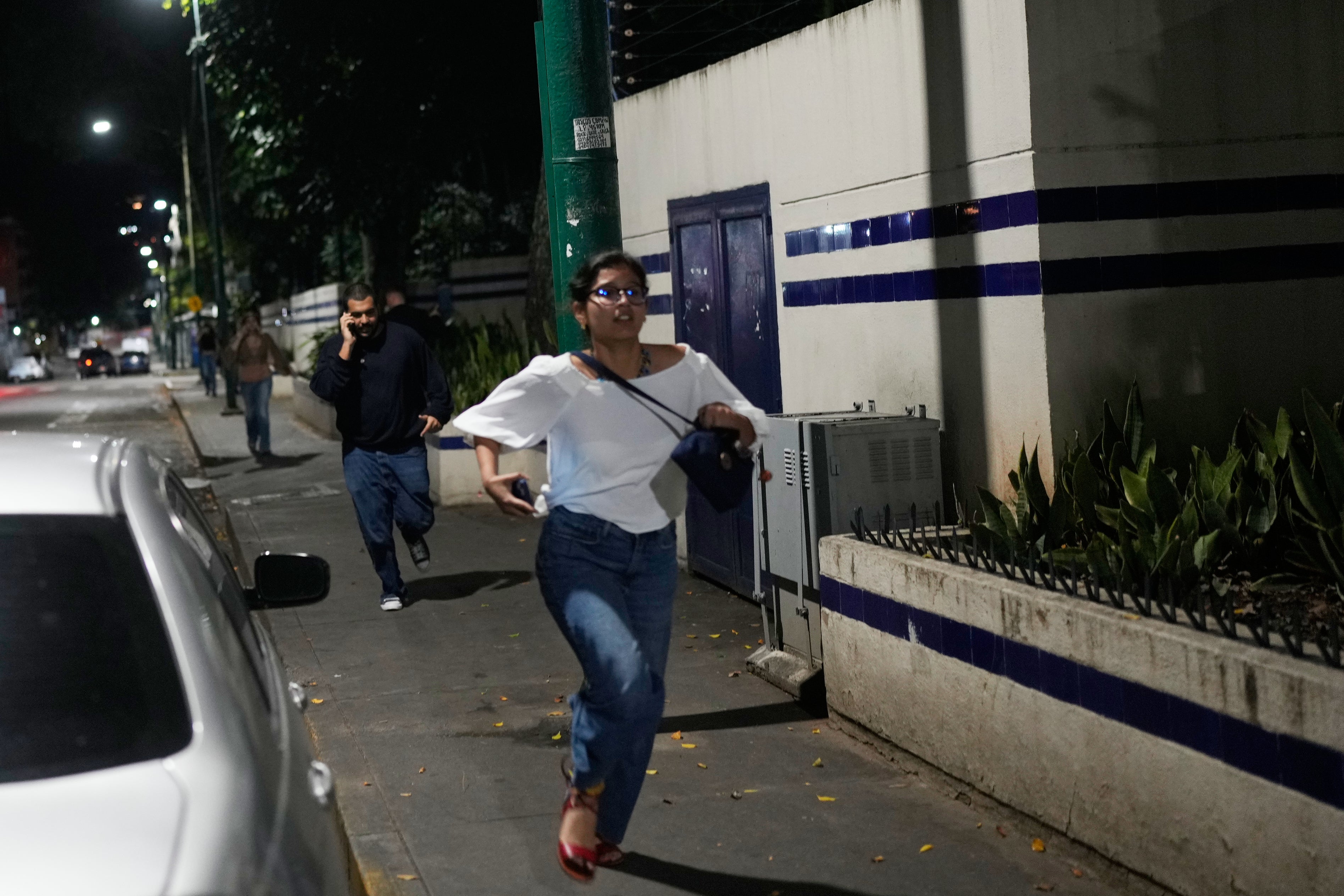
Despite the grave accusations, neither the Pentagon nor the White House offered immediate responses to requests for comment regarding the incidents. This silence, however, is set against a backdrop of months of explicit threats from former US President Donald Trump, who had repeatedly indicated the possibility of ordering strikes on Venezuelan targets. Reports from CBS further confirmed the Trump administration’s awareness of the explosions and aircraft over Caracas, fueling speculation about Trump Venezuela news.
To fully grasp why is US threatening Venezuela, one must look back at a history punctuated by US interventions and punitive measures. The US has long accused President Maduro of being a dictator and has issued a bounty for his capture on charges of narco-terrorism. These actions are often justified by Washington as efforts to restore democracy and combat illicit activities, even as they are perceived by Caracas as breaches of sovereignty and attempts to destabilize the government.
The ongoing friction between the two nations also involves broader geopolitical considerations, making the Venezuela vs US policy clash a focal point for regional stability. The US has historically sought to maintain influence in Latin America, viewing Venezuela’s alignment with adversaries like Cuba and Russia as a challenge to its strategic interests. Conversely, Venezuela seeks to assert its independence and sovereignty, often rallying support from anti-imperialist blocs worldwide.
The recent explosions and the subsequent blame game carry significant implications for regional security and international law. A detailed Caracas explosions guide would undoubtedly examine the immediate humanitarian concerns for residents, as well as the potential for wider destabilization if the conflict escalates. Neighboring countries and international bodies are closely monitoring the situation, aware that any direct military engagement could have far-reaching consequences.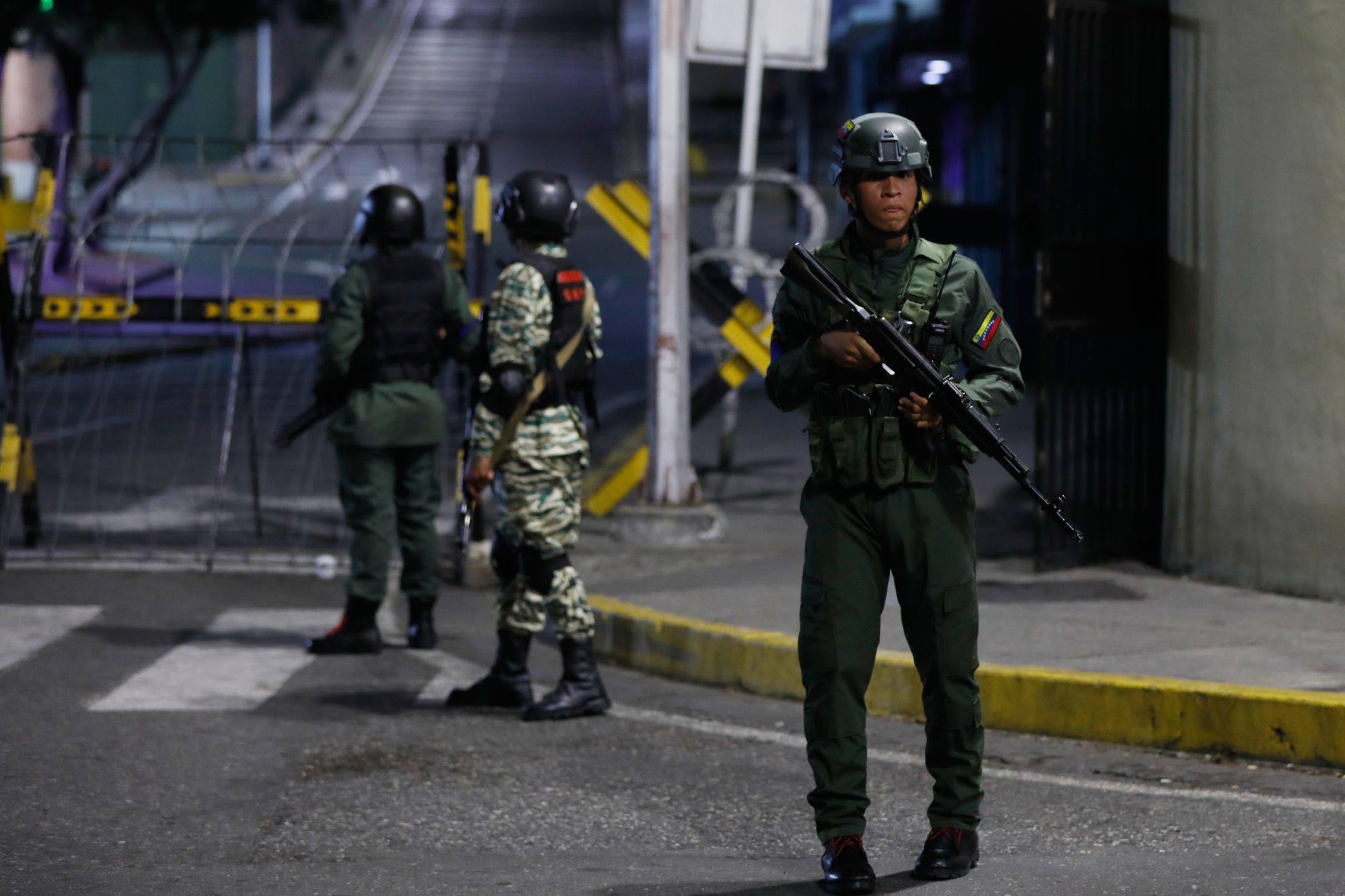
Looking ahead, the Venezuela conflict outlook 2026 suggests a continued period of uncertainty and tension. Without a diplomatic breakthrough, the cycle of accusations and potential escalations is likely to persist. The international community faces the challenge of de-escalating the situation while addressing the humanitarian crisis within Venezuela and upholding principles of national sovereignty.
The complexity of US Venezuela relations 2026 guide will necessitate a nuanced approach from future administrations, both in Washington and Caracas. Economic sanctions, diplomatic pressure, and military posturing have so far failed to achieve a resolution agreeable to all parties. A path forward would likely involve multilateral dialogue, humanitarian aid, and a genuine commitment to peaceful conflict resolution, moving beyond the current confrontational stance.
As the world watches, the unfolding Venezuela explosions update serves as a stark reminder of persistent geopolitical fault lines and the dangers of escalating international disputes. The accusations leveled against the United States by Caracas underscore the deep-seated mistrust and conflicting narratives at play. Navigating this volatile situation will require careful diplomacy and a genuine effort to prevent further destabilization in a region already grappling with numerous challenges.







![[post_title]](https://samony.com.ng/wp-content/uploads/2026/01/1767431808_Transfer-news-live-Palace-sign-Johnson-Rosenior-responds-to-Chelsea-1024x683.jpg?lm=6958DE84 "Football Transfer News Update: Major Signings Explained")


