


The potential deployment of active-duty Army troops in Minnesota under the Trump Insurrection Act Minnesota scenario represents a pivotal moment in the ongoing debate about presidential power and domestic military use. Reports indicate roughly 1,500 active-duty soldiers are preparing for possible deployment, a move stemming from former President Donald Trump’s threats to invoke the rarely used Insurrection Act. This dramatic escalation is intended to quell protests against a surge of federal immigration officers in the state, highlighting a tense standoff between federal authority and local governance.
These service members, assigned to two infantry battalions with the Army’s 11th Airborne Division based in Alaska, are specifically trained for cold-weather operations. Defense officials cited by The Washington Post and ABC News describe the troop placement as “prudent planning” to respond to potentially escalating violence in the Minneapolis area. This preparation signals a significant shift in how federal power might be exercised domestically, especially against civilian demonstrations.
What is the Insurrection Act? The Insurrection Act is a set of federal laws authorizing the President of the United States to deploy U.S. military troops or federalize National Guard units within the United States in particular circumstances, such as to suppress civil disorder, insurrection, or rebellion. This power is intended for extreme situations where state authorities are unable or unwilling to maintain order.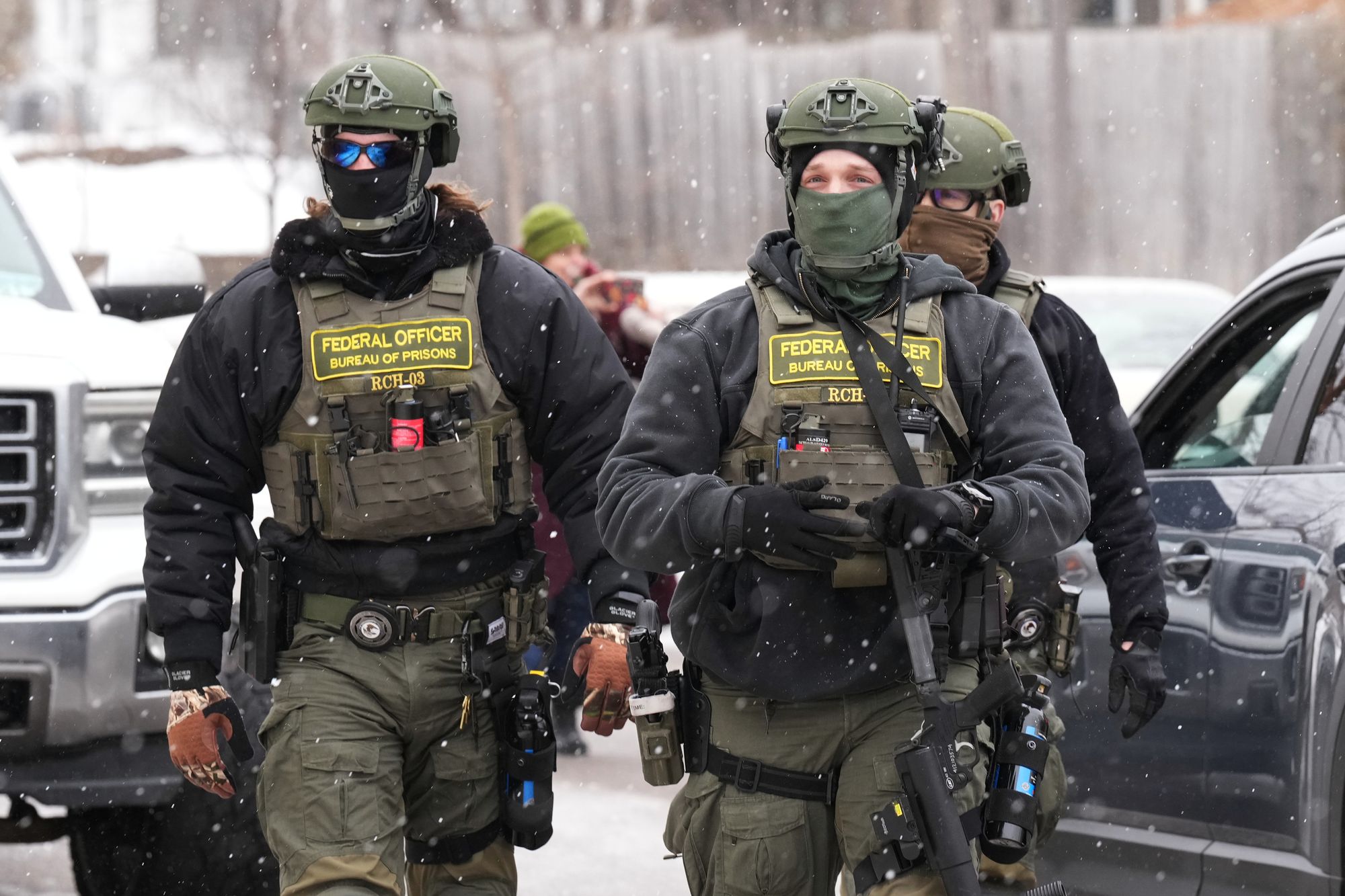
The historical precedent for invoking the Insurrection Act is scarce, underscoring the gravity of Trump’s threats. It was last utilized by former President George H.W. Bush in 1992 to suppress the Los Angeles riots following the acquittal of police officers in the Rodney King beating case. The act allows a president to dispatch active-duty troops and federalize National Guard service members to occupy a state and city, often overriding local and state control.
The immediate catalyst for the current tensions in Minnesota revolves around the killing of Renee Good, who was fatally shot by an Immigration and Customs Enforcement (ICE) officer. This incident ignited widespread protests, which Trump subsequently labeled as actions by “professional agitators and insurrectionists.” His administration has also targeted Minnesota’s leadership, including Governor Tim Walz and Minneapolis Mayor Jacob Frey, with investigations into what critics deem spurious obstruction allegations.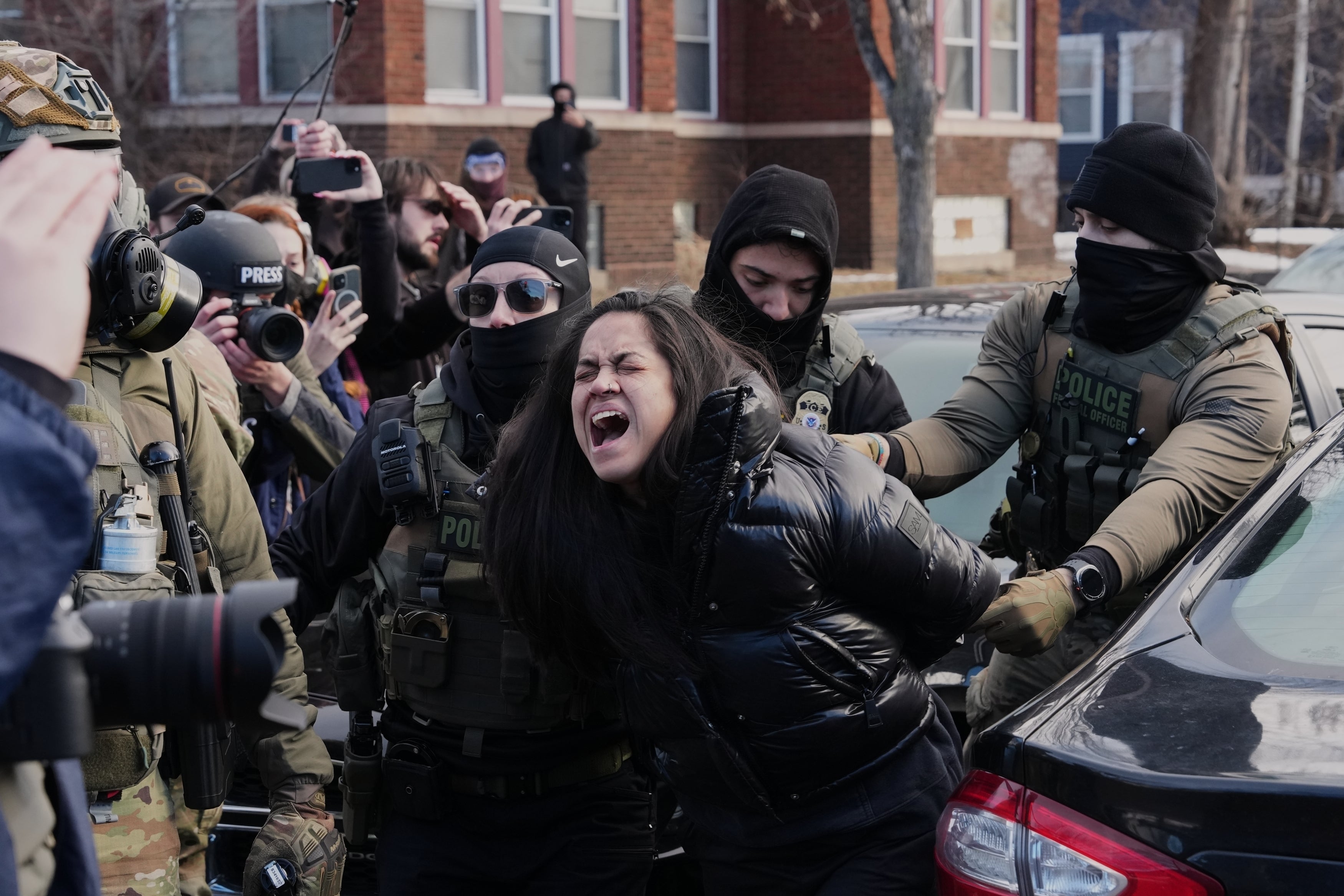
Beyond the specific incident, the Trump administration’s broader strategy in Minnesota involves a significant surge of federal law enforcement and Justice Department resources. This forms part of a nationwide mass deportation campaign, disproportionately affecting communities like the Twin Cities, home to a large population of Somali ancestry. This operation, described as Homeland Security’s largest immigration enforcement effort yet, has led to over 2,500 arrests and accusations of violent targeting against both immigrants and citizens, escalating clashes with protesters.
Minnesota officials have actively challenged these federal actions through legal means, filing lawsuits to halt the surge. They argue that the operation is a politically motivated and unconstitutional attack on the state’s sovereignty. Meanwhile, the Justice Department’s criminal investigation into Governor Walz and Mayor Frey has been met with staunch rejection from the officials, who defend their responses to what Mayor Frey described as “chaos and danger” brought by the federal administration.
In a critical development, a federal judge has intervened, issuing orders to block federal officers from certain retaliatory actions against protesters. District Judge Kate Menendez, a Biden appointee, has specifically barred federal agents during “Operation Metro Surge” from arresting individuals engaged in peaceful and unobstructive protest activity. This ruling came after numerous complaints accused officers of violating First and Fourth Amendment rights by targeting peaceful demonstrators.
The judge’s order imposes strict prohibitions on federal agents, forbidding the use of “chemical irritants” and “intimidation, including by pointing firearms at them, detention, and arrest” against protesters. Furthermore, officers are blocked from “stopping or detaining drivers and passengers in vehicles” without reasonable articulable suspicion of obstructing officers or roads. These judicial actions aim to protect civil liberties amidst heightened federal presence and prevent further escalation.
These legal battles underscore the significant constitutional questions surrounding federal authority and state rights, particularly when the Insurrection Act is contemplated. The ongoing situation in Minnesota serves as a stark reminder of the delicate balance between maintaining public order and safeguarding democratic freedoms. The ultimate outcome of the Trump Insurrection Act Minnesota controversy will have lasting implications for how federal power is wielded in future domestic crises and protests.







