


The Trump Greenland latest news has sent shockwaves across the globe, with the White House openly warning that using the US military to seize Greenland remains “always an option.” This aggressive stance by the Trump administration has ignited a major international incident, challenging long-standing diplomatic norms and alliances. European leaders have swiftly condemned the threats, emphasizing Greenland’s undeniable right to self-determination alongside Denmark, its sovereign nation.
Why does Trump want Greenland? The US administration views Greenland as a critical asset for national security in the Arctic, citing its strategic location for deterring adversaries. Its vast mineral resources and potential military bases are also seen as vital to American interests, driving the President’s ambition to acquire the territory.
The emphatic rejection from Denmark and other European Union members underscores the severity of the situation. A joint statement from key European leaders, including the Prime Ministers of Britain, France, and Germany, unequivocally declared that decisions concerning Greenland rest solely with its people and Denmark. This collective stance highlights a unified front against what they perceive as a blatant disregard for international sovereignty.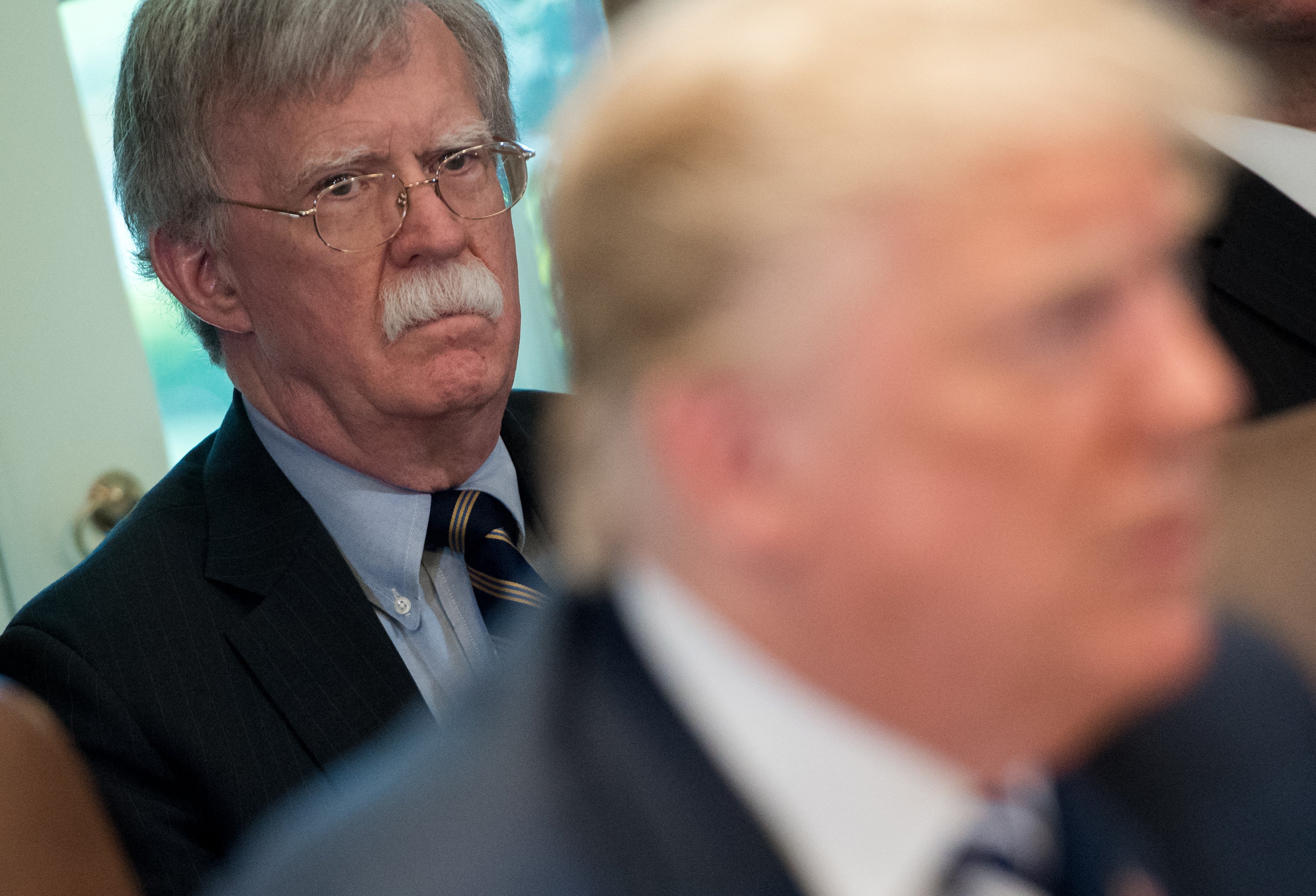
A pressing question arising from this crisis is: is Greenland part of NATO? As a semi-autonomous territory within the Kingdom of Denmark, Greenland falls under Denmark’s NATO membership. Former US national security adviser John Bolton has starkly warned that continued discussions of a military seizure could place the entire NATO alliance in “grave jeopardy,” undermining its core principle of collective defense and trust among allies.
The White House’s contemplation of military action also raises serious questions about Trump vs international law. Critics, including several of America’s closest allies, argue that such an operation would be a clear violation of international statutes and the UN Charter. The method of the recent US military operation in Venezuela, which led to the capture of Nicolás Maduro, has already drawn widespread condemnation for its perceived breach of international legal norms.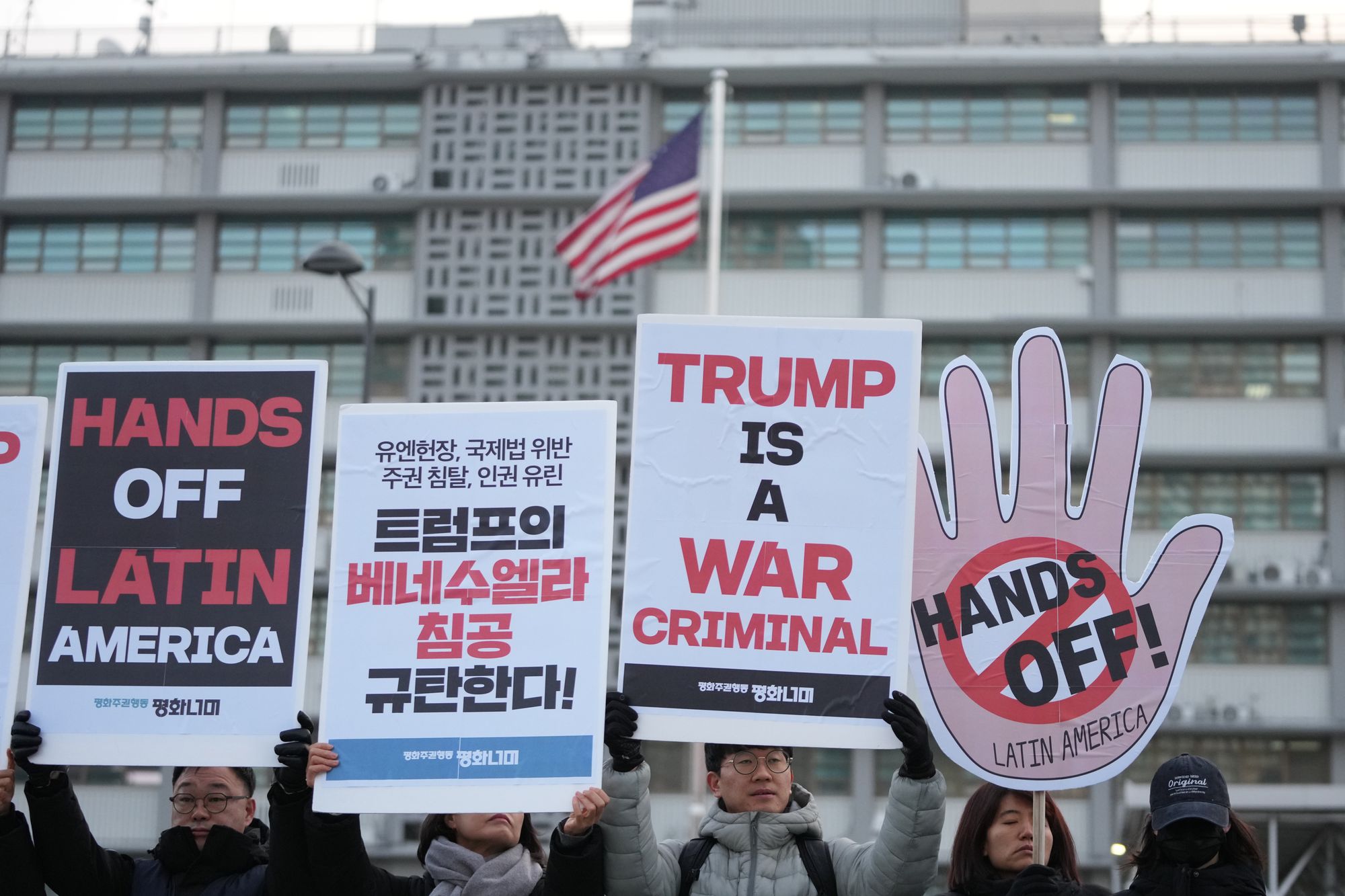
In a parallel development, the Venezuela military operation update reveals President Trump’s announcement that Venezuela is “turning over” millions of barrels of oil following the US operation. He asserted control over the proceeds, claiming they would benefit both the Venezuelan and United States people. This move, coupled with the capture of Maduro, has further inflamed global tensions and raised concerns about unilateral US actions.
Understanding Greenland geopolitical importance explained is key to comprehending the US administration’s persistent interest. Beyond its vast landmass, Greenland holds significant strategic value for Arctic security, maritime routes, and potential resource exploitation. Its location offers critical advantages for surveillance and military projection, making it a coveted territory in an increasingly contested global landscape.
The dispute fundamentally boils down to Greenland vs Denmark sovereignty. Denmark maintains that Greenland’s future is a matter for its people, not for foreign acquisition by force or coercion. This principle of national sovereignty is central to the European response, challenging the US’s assertion of national security interests over established international law and allied relationships.
The specifics of the Venezuela oil deal explained by President Trump are equally controversial. His declaration of seizing and controlling Venezuelan oil assets, ostensibly for the benefit of both nations, bypasses established international economic and legal frameworks. This unilateral action risks setting a dangerous precedent for resource control and sovereignty, drawing criticism from humanitarian groups and international bodies.
Looking ahead, a comprehensive Greenland policy 2026 guide would need to address these multifaceted challenges. The ongoing standoff impacts not only the Arctic region but also the stability of transatlantic alliances. Any future policy must navigate the delicate balance between national interests, international law, and the sovereignty of nations, especially those of close allies.
Experts making Trump foreign policy 2026 predictions anticipate continued assertiveness and unconventional approaches. The incidents involving Greenland and Venezuela demonstrate a willingness to challenge international norms and use military leverage to achieve perceived national security and economic objectives. Such a trajectory suggests a potentially turbulent period for global diplomacy and alliances.
The escalating tensions surrounding the Trump Greenland latest news and the Venezuela situation illustrate a pivotal moment in international relations. The White House’s readiness to consider military options against an allied territory and its actions in South America signal a significant shift in global power dynamics. The world watches closely as these events unfold, with profound implications for international law, security alliances, and the future of sovereign nations.









