The latest Trump drug cartel news indicates a significant shift in US foreign policy, with former President Trump signaling an intent to escalate operations against drug cartels, moving from maritime interdictions to ground-based attacks. These remarks, made during a recent interview, suggest a potential broadening of US military engagement in Latin America, particularly hinting at Mexico as a primary target. Trump claimed that 97 percent of drug flow by water had been halted through prior actions, including air strikes off Venezuela, which culminated in the controversial removal of Nicolas Maduro.
Following these maritime successes, the focus is now firmly on land operations. Trump articulated his belief that drug cartels are effectively controlling Mexico, leading to a devastating loss of life in the United States due to drug-related deaths. While specific details regarding the timing or location of these proposed ground interventions remain scarce, the statements alone have sparked considerable concern among international observers and regional leaders.
What is international law on military intervention? International law generally prohibits one state from using force against the territorial integrity or political independence of another state, except in cases of self-defense or with UN Security Council authorization. Unilateral military actions can lead to grave violations of sovereignty and international norms.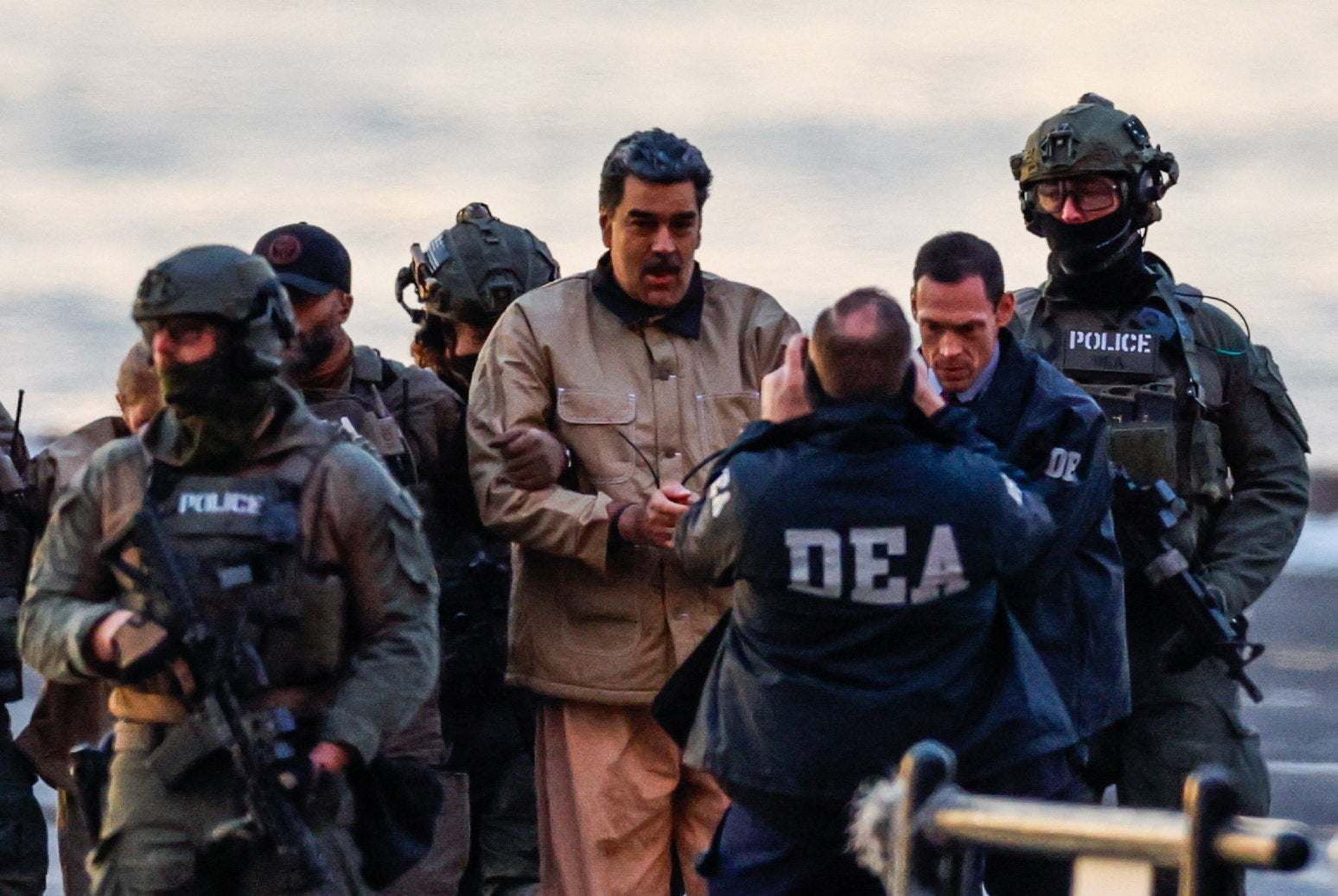
Mexico’s President, Claudia Sheinbaum, has already voiced strong criticism of such interventionist approaches, citing Mexico’s firm and historic opposition to any form of foreign interference in its internal affairs. She emphasized that intervention rarely leads to democracy or lasting stability, and categorically rejected any notion of external meddling in the country’s sovereign matters.
During a wide-ranging interview, Trump notably asserted that his own morality, rather than international law, served as the sole constraint on his global powers. This provocative stance, following the military actions in Venezuela, underscores a foreign policy perspective that challenges established multilateral frameworks. He explicitly stated, “I don’t need international law,” though he added he was “not looking to hurt people.”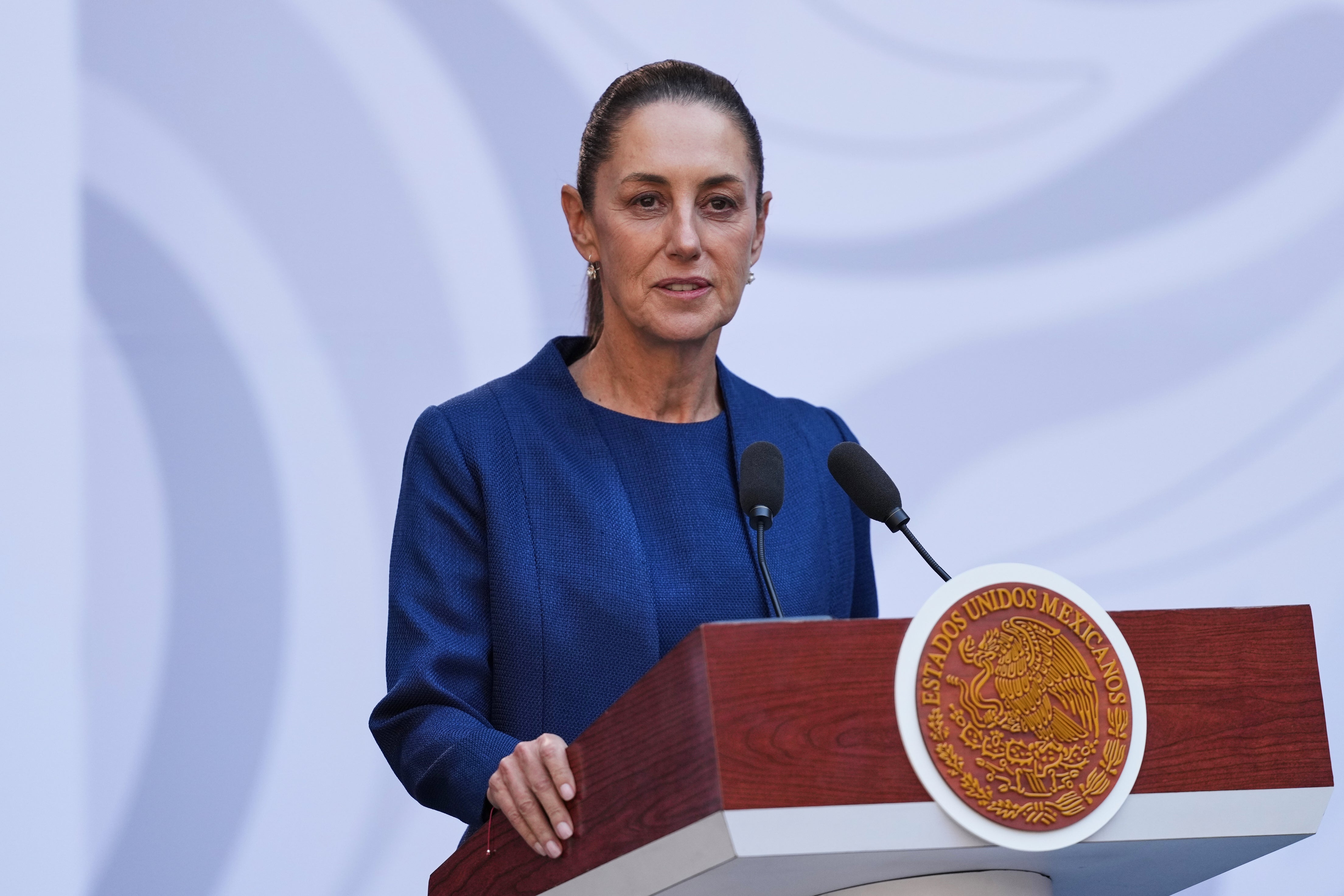
This aggressive foreign policy stance has predictably drawn significant international backlash. The United Nations, through a group of experts, condemned the Venezuelan operation as “gunboat diplomacy,” labeling it a grave and deliberate violation of fundamental international law principles. Such actions, they warned, set dangerous precedents and risk destabilizing the entire region and potentially the world.
When considering US foreign policy vs international law, the current debate highlights a profound tension. The administration’s plans, described as an “armed conflict” against narcotics trafficking organizations, raise critical questions about sovereignty, humanitarian concerns, and the efficacy of unilateral military solutions compared to diplomatic efforts. This situation leads many to ask, why is US targeting drug cartels in Mexico with such an assertive approach, rather than focusing on internal demand reduction or enhanced international cooperation?
For those seeking to understand the complexities, a Mexico drug cartel problem for beginners perspective reveals a deeply entrenched issue with significant social, economic, and political dimensions, far beyond simple military solutions. The proposed shift in strategy forces a re-evaluation of US drug cartel policy explained through a lens of evolving geopolitical realities and domestic pressures.
Looking ahead, discussions around US drug policy 2026 will undoubtedly be shaped by these current developments, exploring whether increased military intervention can truly resolve the intricate challenges posed by drug trafficking. Similarly, any Mexico drug cartel situation 2026 guide will need to account for the potential for heightened cross-border operations and their implications for regional stability.
The debate over military intervention vs diplomacy drug cartels underscores the profound choices facing policymakers. While military action offers a direct approach to dismantling cartel infrastructure, diplomatic solutions, intelligence sharing, and economic aid often provide more sustainable, long-term resolutions by addressing the root causes of drug production and trafficking. The ongoing Trump drug cartel news continues to be a critical indicator of the direction US foreign policy may take in the coming years.