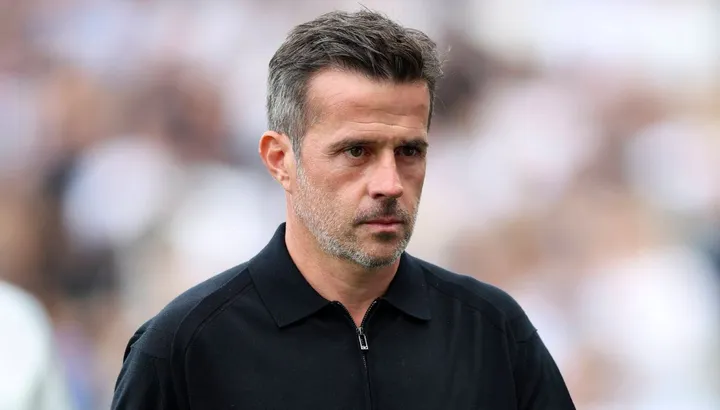
The political landscape in Rivers State has been rocked by escalating tensions, as the State House of Assembly has formally initiated Rivers State Governor impeachment proceedings against Governor Siminalayi Fubara. This significant development marks a critical juncture in the state’s governance, with profound implications for its stability and future direction. The move by the assembly, led by Speaker Hon. Martins Amaewhule, signals a deepening rift within the state’s political class, drawing widespread attention from across Nigeria and beyond.
What is impeachment in Nigeria? Impeachment in Nigeria is the constitutional process by which a legislative body can remove a public official, such as a governor, from office due to gross misconduct or a violation of the constitution. It typically involves a formal notice of allegations, investigation, and a vote requiring a supermajority.
The assembly’s decision to reconvene earlier than planned, specifically on Thursday, January 8, 2026, as disclosed in an internal memo, underscored the urgency of their actions. This preemptive resumption, overriding an earlier schedule for January 26, highlighted the legislators’ determination to press forward with the impeachment drive. The memo, dated January 5, 2026, and signed by Clerk Emeka Amadi, explicitly requested all members to treat the matter with utmost importance, ensuring full attendance at the critical sitting.
During the tense plenary session, presided over by Speaker Amaewhule, Major Jack, the Majority Leader of the Rivers State House of Assembly, formally presented the notice of allegations. These serious accusations against Governor Fubara included charges of gross misconduct and actions deemed to be in violation of the Nigerian Constitution. The specific allegations detailed by the assembly are deeply concerning, painting a picture of a governor allegedly misusing state resources for personal political gain.
One of the primary accusations leveled against Governor Fubara is the alleged conversion of state funds into foreign currency, specifically US dollars. Furthermore, the assembly claims that these funds were then purportedly used to pay individuals in Abuja, with the intent of influencing President Bola Tinubu. The alleged objective of this financial maneuvering was to pressure lawmakers to refrain from summoning Governor Fubara to present the 2025 budget before the House. This particular allegation speaks to a broader Rivers State political crisis for beginners, illustrating the intricate web of power struggles and financial impropriety often at play in Nigerian politics.
Twenty-six members of the assembly formally endorsed the notice of allegations, emphasizing the widespread discontent within the legislative body regarding the governor’s conduct. Speaker Amaewhule confirmed that the notice would be officially served to Governor Fubara within seven days, initiating the formal steps of the Fubara impeachment process 2026 guide. This timeline provides the governor with an opportunity to respond to the grave accusations, though the assembly’s firm stance suggests a challenging path ahead for his administration. The ongoing Siminalayi Fubara news update continues to dominate headlines, as observers keenly watch the unfolding drama.
Beyond the governor, the Deputy Majority Leader, Linda Stewart, also presented a notice of allegations and gross misconduct against Deputy Governor Ngozi Odu. This indicates a broader attempt by the assembly to challenge the entire executive leadership, suggesting that the Fubara vs Amaewhule conflict extends beyond just the governor. The allegations against the Deputy Governor, though not yet fully detailed, signify a comprehensive legislative offensive against the current administration, further complicating the already volatile Rivers State political landscape 2026.
Understanding how to impeach a governor in Nigeria involves navigating a complex legal and political framework, often fraught with procedural challenges and intense power plays. The current situation in Rivers State exemplifies these complexities, with both legal interpretations and political maneuvering shaping the trajectory of the impeachment process. The allegations of financial impropriety and attempts to circumvent legislative oversight are serious, and their resolution will set a precedent for future governance in the state and potentially beyond.
As the Rivers State Assembly news today continues to evolve, the implications for good governance and democratic principles in Nigeria are significant. The outcome of these impeachment proceedings will undoubtedly influence public perception of political accountability and the balance of power between the executive and legislative arms of government. The ongoing Rivers State governor impeachment guide will provide clarity on the constitutional steps and potential challenges involved, ensuring due process is followed.
In conclusion, the formal initiation of Rivers State Governor impeachment proceedings against Governor Siminalayi Fubara marks a critical phase in the state’s political history. The allegations of gross misconduct and constitutional breaches by the House of Assembly have set the stage for a prolonged legal and political battle, with the future of Rivers State hanging in the balance.
Keywords: what is impeachment in Nigeria, how to impeach a governor in Nigeria, Fubara vs Amaewhule, Fubara impeachment vs Wike influence, Rivers State political crisis for beginners, Rivers State governor impeachment guide, Siminalayi Fubara news update, Rivers State Assembly news today, Rivers State political landscape 2026, Fubara impeachment process 2026 guide