


The political landscape in Washington recently saw a significant development concerning the Obamacare tax credit extension, as seventeen House Republicans defied Speaker Mike Johnson to push through legislation. This pivotal vote aims to prolong enhanced tax credits for the Affordable Care Act’s health insurance marketplace for another three years, a move that directly impacts millions of Americans who rely on these subsidies for affordable healthcare. The bipartisan effort underscores the complex dynamics within the Republican party and the pressing need to address healthcare costs for constituents nationwide.
House Speaker Mike Johnson had openly opposed extending these tax credits, which had expired at the end of December. However, a group of Republicans, predominantly from swing districts, joined Democrats in a successful discharge petition. This maneuver, spearheaded by House Minority Leader Hakeem Jeffries, forced a vote that ultimately passed the House with a 230-196 margin. The unexpected break from party lines highlights the growing pressure on lawmakers to secure accessible health insurance, especially as many independent and small business owners face rising premium costs without these crucial subsidies.
What are Obamacare tax credits? These premium tax credits, part of the Affordable Care Act (ACA), are government subsidies that reduce the monthly cost of health insurance purchased through the ACA marketplace. They are crucial for making healthcare affordable and accessible, directly lowering out-of-pocket expenses for millions of eligible individuals and families across the United States.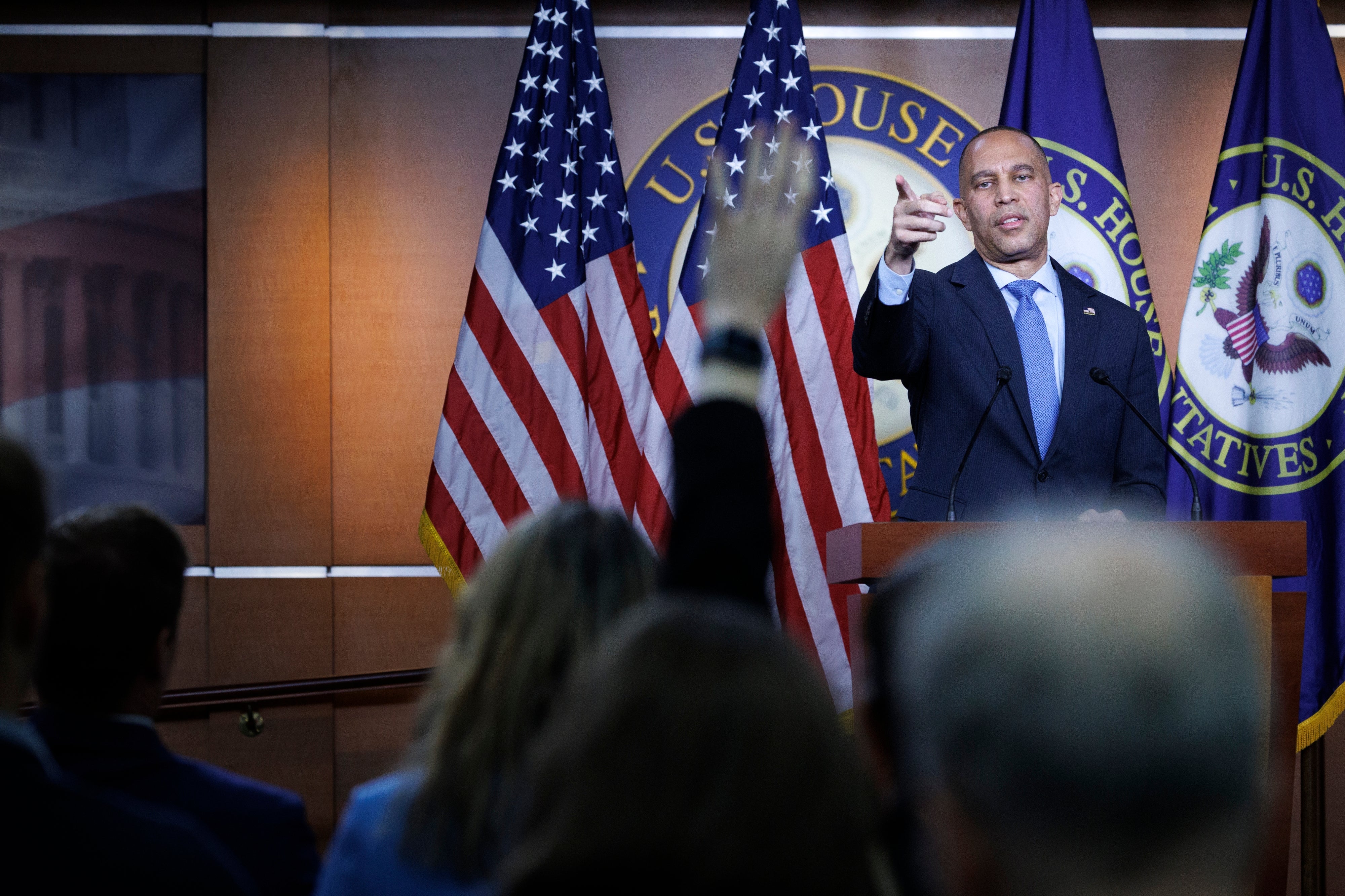
For many, understanding the Affordable Care Act for beginners can be daunting, but these tax credits are a fundamental component. They ensure that health insurance remains within reach, preventing a “death spiral” in districts where access to critical hospitals might be threatened by unaffordable premiums. The expiration of these credits at the year’s end put at least 20 million Americans at risk of significant premium increases, making the House’s recent action a timely intervention for many struggling to manage their budgets.
The question of why are Republicans voting for Obamacare extensions, despite their party’s historical opposition to the ACA, is central to this story. Lawmakers like Rep. Rob Bresnahan cited direct feedback from constituents—snowplow operators and landscapers—who reported seeing percentage increases in their health insurance costs. This on-the-ground reality often compels members of Congress, particularly those in competitive districts, to prioritize constituent needs over strict party ideology, demonstrating a pragmatic shift in legislative priorities.
While the House has taken a decisive step, the House vs Senate Obamacare extension battle now shifts to the upper chamber. The legislation, as it stands—a clean three-year extension of tax credits—faces an uncertain future in the Senate. A bipartisan working group is currently negotiating a version that could garner the necessary 60 votes, suggesting that further compromises and modifications are likely before any final bill reaches the President’s desk. This ongoing negotiation underscores the intricate legislative process required to pass significant healthcare policy.
The Obamacare tax credit extension update continues to unfold, with various stakeholders weighing in. Even former President Donald Trump, known for his past efforts to repeal and replace the ACA, advised Republicans to “be a little flexible” on certain aspects, including the Hyde Amendment, which bans taxpayer dollars from funding abortions. This surprising call for flexibility from Trump further illustrates the political complexities and the imperative for bipartisan solutions when it comes to highly impactful legislation like healthcare. The Mike Johnson Obamacare vote news specifically highlights the Speaker’s challenge in maintaining party unity amidst these pressures.
Looking ahead, considerations around the Obamacare tax credit extension 2026 are already shaping discussions. The three-year extension aims to provide stability, allowing individuals and families to plan their healthcare budgets with more certainty. However, the exact form and duration of these credits beyond that period will depend heavily on future political climates and legislative priorities. Such long-term planning requires a comprehensive Obamacare tax credit extension guide for both policymakers and the public to navigate potential changes and opportunities.
For those evaluating their options, understanding ACA tax credits vs employer health insurance is crucial. While employer-sponsored plans are common, ACA marketplace plans with tax credits offer a vital alternative for self-employed individuals, small business owners, or those whose employers don’t offer coverage. These credits ensure that healthcare remains affordable regardless of employment status, providing a critical safety net and promoting broader access to essential services across diverse demographics.
The recent House vote is a significant victory for House Democrats and a testament to the power of discharge petitions in legislative strategy. It signals a willingness among some Republicans to cross party lines on issues of critical importance to their constituents. As negotiations proceed, the focus will remain on securing a durable solution that ensures affordable health insurance for millions of Americans, shaping the landscape of healthcare policy and Affordable Care Act predictions 2026 for years to come.









