


The persistent and unsettling claims surrounding the death of convicted sex offender Jeffrey Epstein have intensified, with his brother, Mark Epstein, asserting that upcoming autopsy details will conclusively prove his sibling was murdered. This Jeffrey Epstein murder theory directly challenges the official narrative of suicide, reigniting public debate and suspicion over a case already shrouded in controversy and high-profile connections. The revelation from Mark Epstein, shared on NewsNation, suggests a significant development in the ongoing quest for answers, promising to bring renewed scrutiny to the circumstances of Epstein’s demise in a New York prison cell in 2019. The family’s unwavering stance adds another layer to the complex web of allegations and official investigations that have followed Epstein’s death.
Mark Epstein’s conviction stems from his personal observation of his brother’s body, noting injuries that he claims were inconsistent with a hanging. This initial skepticism led the family to enlist Dr. Michael Baden, a renowned former New York City medical examiner, to independently observe the autopsy. Dr. Baden’s 2019 findings notably concluded that the evidence available at the time pointed more towards homicide than suicide, a professional opinion that starkly contradicted the initial conclusions drawn by city officials. These conflicting reports have been a cornerstone of the alternative theories regarding Epstein’s death, fueling speculation among the public and legal observers alike.
What is the Jeffrey Epstein murder theory? The Jeffrey Epstein murder theory posits that the convicted sex offender did not die by suicide as officially reported, but was instead killed to prevent him from testifying or revealing information about powerful individuals connected to his illicit network. This theory is often supported by claims of suspicious circumstances, conflicting medical opinions, and the alleged security lapses within the correctional facility.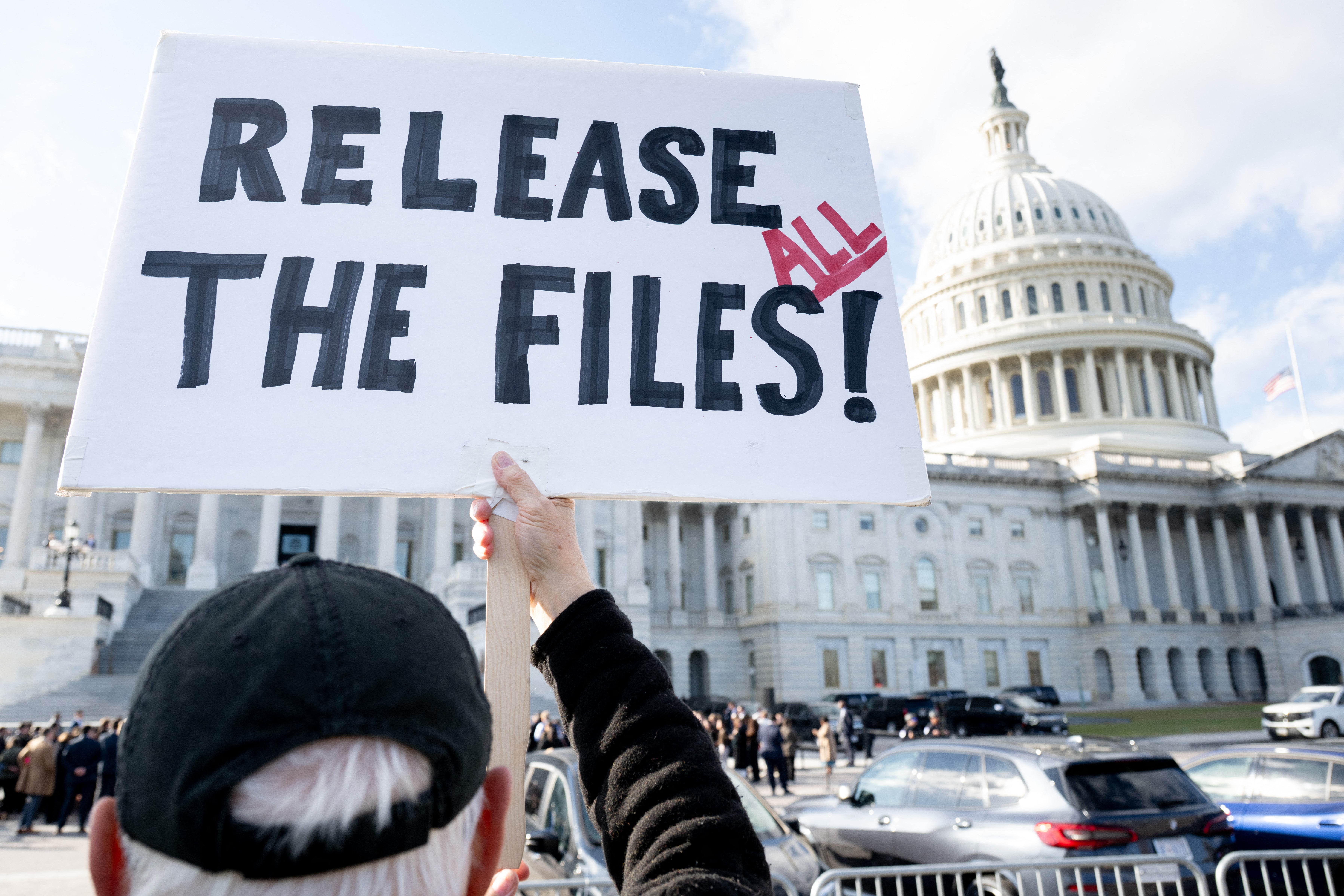
Despite the family’s claims and Dr. Baden’s analysis, official reviews, including a 2023 Department of Justice inspector general report, have consistently upheld the finding that Epstein died by suicide. These reports, while acknowledging numerous prison oversight failures that contributed to the death, have maintained that no other individuals were involved. This divergence between official conclusions and the persistent Jeffrey Epstein death theories highlights a deep-seated distrust in the public’s perception of the case, especially given the high-profile nature of Epstein’s alleged associates.
The narrative around Epstein’s death gained further complexity last year when the Department of Justice and FBI, under pressure to release more Epstein files, conducted another review of the material. Once again, their findings reiterated the suicide conclusion. However, this has done little to quell the widespread belief that Epstein was silenced to protect influential figures, including executives and world leaders, who might have been implicated in his crimes. The sheer magnitude of his network continues to inspire skepticism about the official version of events.
Ghislaine Maxwell, Epstein’s former associate who is currently imprisoned, has also publicly stated her belief that Epstein did not die by suicide. Her comments lend further credibility to the alternative theories from someone who was intimately connected to Epstein and his world. Such statements from individuals close to the case often carry significant weight with the public, regardless of official reports, contributing to the enduring mystery.
The White House has faced its own share of allegations, accused of engaging in a cover-up regarding the full Epstein story, largely due to former President Donald Trump’s past association with the late pedophile. These claims have been met with strong denials from the administration, which asserts that Trump was unaware of or uninvolved in any of Epstein’s wrongdoing. Such political entanglement further complicates the public’s understanding and trust in the investigative process.
Congressional pressure has also played a crucial role in pushing for greater transparency. A bipartisan revolt led to a bill demanding the release of more files related to the Epstein case. However, lawmakers have since accused the administration of failing to fully comply with the bill’s terms, even drafting contempt charges against Attorney General Pam Bondi. This legislative struggle underscores the continued demand for full disclosure and accountability surrounding all aspects of the Epstein scandal.
Understanding the full scope of the Epstein case requires acknowledging the deep divisions between official findings and persistent public skepticism. The family’s renewed claims, backed by potential new autopsy details, ensure that the demand for transparency and a definitive explanation for Epstein’s death will only intensify. The intricate web of powerful connections, the conflicting medical assessments, and the ongoing political scrutiny make the Jeffrey Epstein murder theory a subject of enduring public and investigative interest, highlighting the profound impact of the case on trust in justice systems.
This evolving story continues to captivate global attention, with many seeking clarity on how such a high-profile prisoner could die under such contentious circumstances. The calls for a thorough and unbiased investigation into the Jeffrey Epstein death mystery persist, driven by the public’s desire for truth and justice, especially for the victims who suffered at his hands. As new information emerges, the pressure on authorities to address these enduring questions will undoubtedly mount, ensuring the legacy of the Epstein case remains a focal point for years to come.
The implications of the Jeffrey Epstein saga reach far beyond the individual, touching upon issues of elite accountability, the justice system’s vulnerabilities, and the power of public opinion to challenge established narratives. The ongoing pursuit of answers, whether through official channels or persistent independent inquiry, underscores the critical importance of transparency in cases involving powerful figures. The Jeffrey Epstein murder theory will likely continue to be debated until all possible avenues of inquiry are exhausted and a universally accepted account of his death is established.







