


The fatal Minneapolis ICE shooting of Renee Nicole Good has ignited a fierce debate and widespread protests, drawing national attention to federal immigration enforcement tactics. This tragic incident, which occurred in Minneapolis, involved an Immigration and Customs Enforcement (ICE) officer and the 37-year-old mother of three, sparking conflicting accounts from authorities and family members. As investigations unfold, the community demands transparency and justice, highlighting the volatile intersection of immigration policy and local law enforcement. The presence of federal agents in Minneapolis, a contentious deployment by the Trump administration, forms a critical backdrop to the shooting.
What happened in the Minneapolis ICE shooting? The fatal incident involved 37-year-old Renee Nicole Good, who was shot by an Immigration and Customs Enforcement officer during an operation in Minneapolis. Conflicting accounts exist, with authorities claiming self-defense and witnesses and family alleging murder, prompting calls for an independent investigation into the circumstances.
The incident took place on a Wednesday morning, with video footage reportedly showing an ICE officer confronting Good in her vehicle before firing multiple shots as the car began to move. This footage has become a central piece of evidence, contrasting sharply with initial claims made by officials. Family members, including her former father-in-law Timmy Ray Macklin Sr., have vehemently stated that Renee Nicole Good was “murdered” by ICE agents, describing her as a kind and outgoing person.-in-New-York-City-f1gdiqbx.jpeg)
Homeland Security Secretary Kristi Noem defended the ICE agent’s actions, asserting that the officer “used his training” and that a vehicle used to harm someone constitutes a deadly weapon. Noem described the situation as an effort by Good “to kill or cause bodily harm to agents,” echoing claims later supported by President Donald Trump. However, these assertions clash with the perspective offered by Minneapolis Mayor Jacob Frey and Minnesota officials.
Minneapolis Mayor Jacob Frey publicly disputed the federal account, characterizing the shooting as reckless and unnecessary. He also expressed outrage over the deployment of federal agents, questioning why is ICE in Minneapolis in such numbers. Governor Tim Walz echoed these sentiments, expressing anger and preparing to deploy the National Guard if protests escalated, while urging peaceful demonstrations and promising to seek accountability for the Renee Good shooting investigation facts.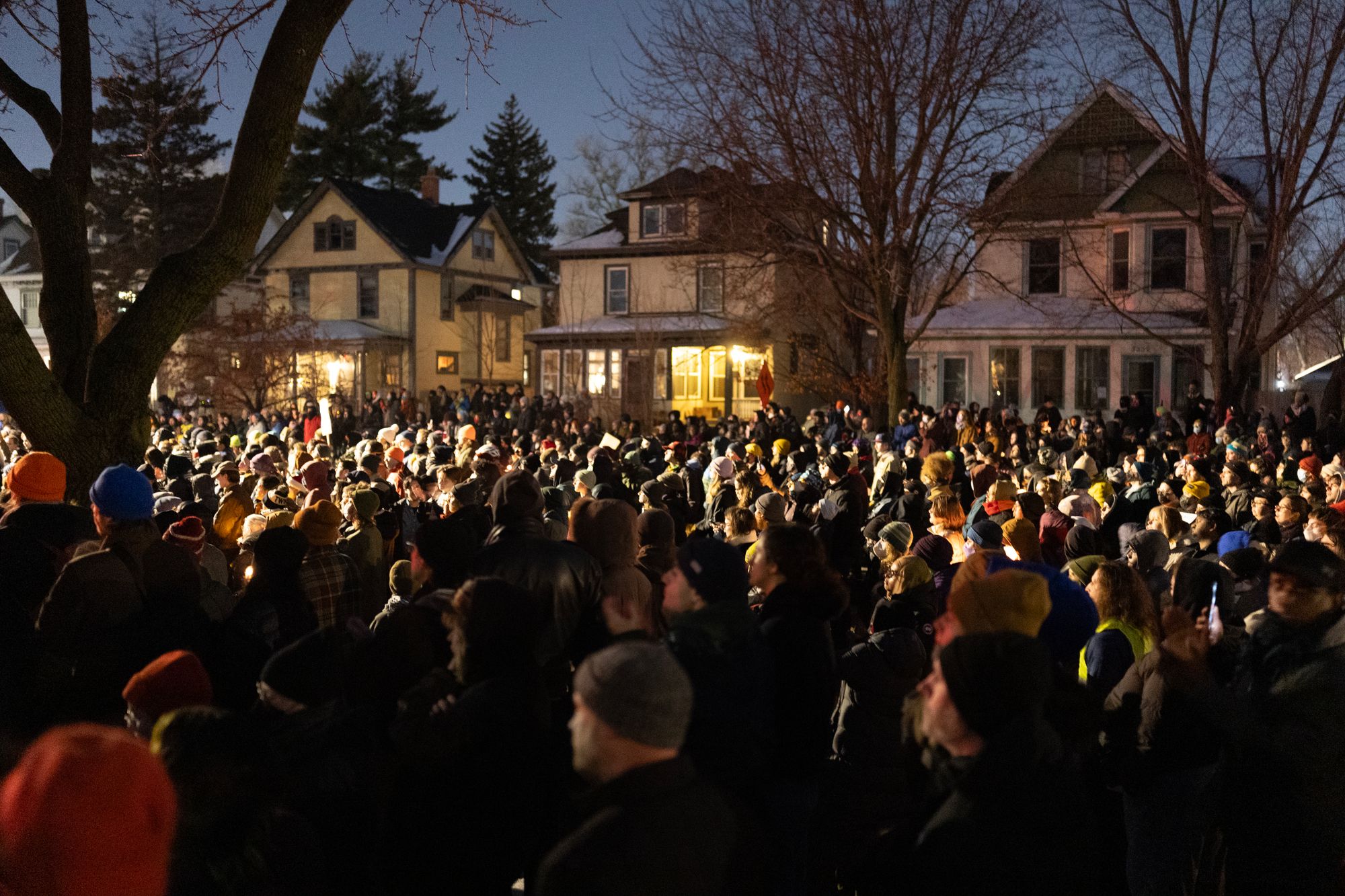
The widespread anger following the incident led to significant protests and vigils. Hundreds gathered, holding candles and signs, chanting slogans like “ICE out of Minnesota” and “RIP Renee, murdered by ICE.” These demonstrations underscore deep-seated community concerns about federal agent deployment minneapolis 2026 and the perceived overreach of immigration enforcement, fueling discussions around civil liberties and public safety.
The deployment of an additional 2,000 federal agents to the Minneapolis area by the Trump administration was ostensibly in response to allegations of welfare fraud. However, Mayor Frey criticized this move, stating that ICE operations minneapolis 2026 were “ripping families apart” and creating chaos rather than enhancing safety. This expansion of DHS personnel represents one of the largest concentrations in a U.S. city in recent years, specifically targeting individuals with deportation orders, including members of the Somali community.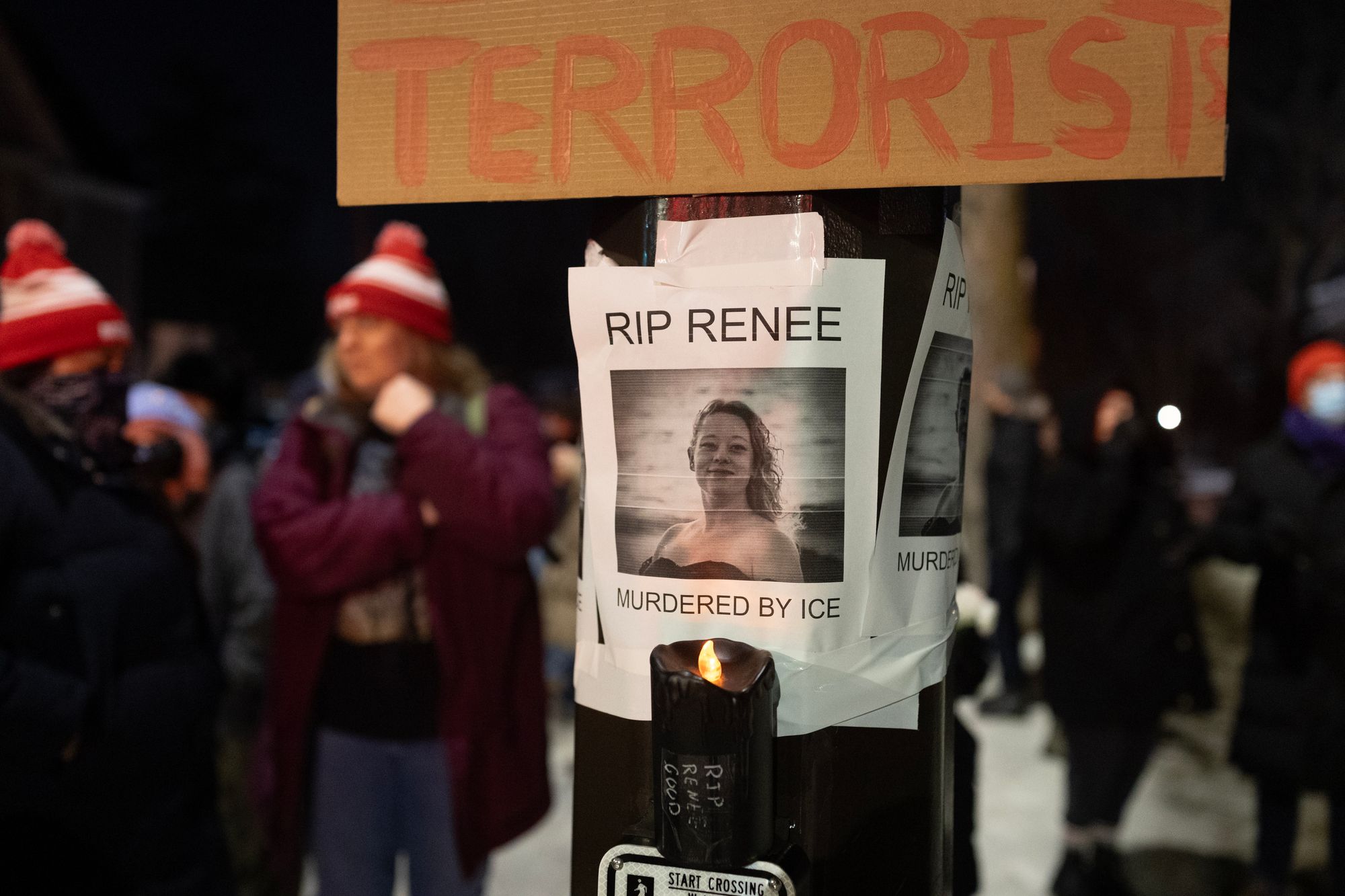
Senator Amy Klobuchar also weighed in, calling for full transparency and an investigation into what happened in Minneapolis ICE shooting. She expressed concern that official statements did not align with video evidence and on-the-ground accounts, emphasizing that immigration enforcement should focus on violent criminals, not actions that make communities less safe. The debate over Kristi Noem vs Minneapolis Mayor highlights the stark divide in how the incident and broader ICE actions are perceived at different levels of government.
The Minneapolis ICE shooting is not an isolated event; it marks at least the fifth death in the wake of the Trump administration’s aggressive immigration crackdown. Past incidents include individuals shot during traffic stops, falling from structures while fleeing, or being struck by vehicles, with no officers or agents charged in these deaths. This pattern raises critical questions about ICE self defense rules vs excessive force and the accountability of federal agents.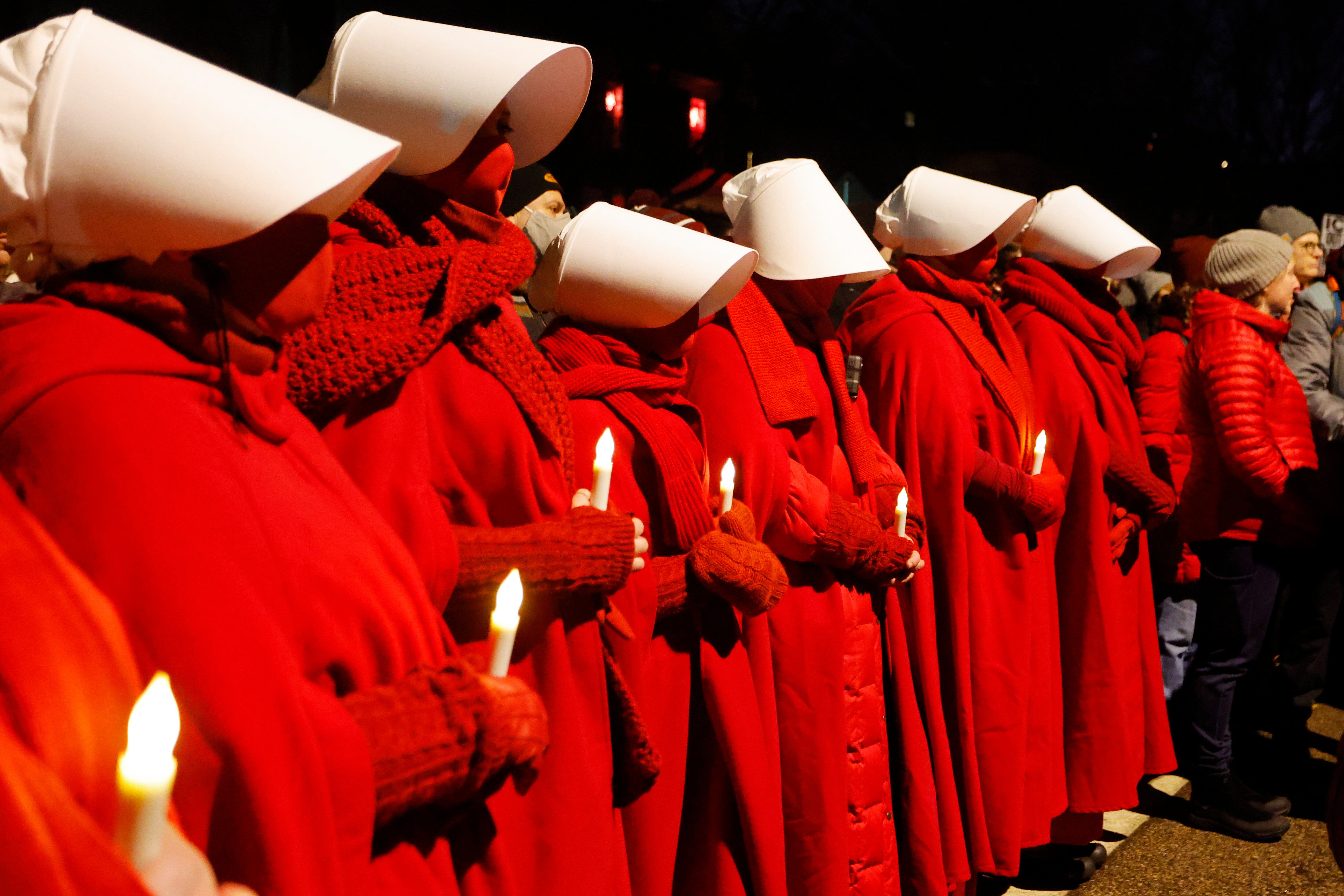
The tragic Renee Good shooting incident explained the urgent need for a thorough and impartial investigation. The family of Renee Nicole Good continues to seek justice, while public outcry demands a reevaluation of federal immigration enforcement policies and practices. As Minneapolis grapples with the aftermath, the ongoing dialogue about accountability, community safety, and the role of federal agents remains at the forefront of local and national conversations, shaping future perspectives on immigration enforcement and civil rights.
The community waits for further Renee Good family updates and the results of the FBI’s investigation, hoping for clarity and justice in this complex and deeply polarizing case. The events of this past week have indelibly marked Minneapolis, prompting a re-examination of how federal power intersects with local communities and individual liberties.









