


The United States has announced a pivotal shift in its strategy to bring peace to the Middle East, launching what is Gaza Ceasefire Phase 2. This ambitious plan aims to move beyond immediate hostilities and establish a lasting framework for stability and governance in the beleaguered Gaza Strip. Following a fragile initial phase, this new stage signals a determined effort to address the complex challenges of reconstruction, disarmament, and political transition, a critical step that could reshape the region’s future.
The initial phase of the ceasefire, implemented in October, primarily focused on halting hostilities and facilitating the return of remaining hostages. However, this period was marked by significant fragility, with ongoing Israeli strikes contributing to numerous casualties and the failure to retrieve all captives. Despite these setbacks, US officials, including special envoy Steve Witkoff, have emphasized the necessity of progressing to the next stage, a reflection of Steve Witkoff’s Gaza strategy. This transition highlights the evolving nature of gaza peace talks update efforts.
What is Gaza Ceasefire Phase 2? The answer is a comprehensive strategy designed to establish a transitional technocratic Palestinian administration in Gaza, overseeing disarmament and extensive reconstruction efforts. This phase aims to create a stable governing body, facilitate the rebuilding of infrastructure, and ensure the long-term security of the region, fundamentally transforming Gaza’s post-conflict landscape.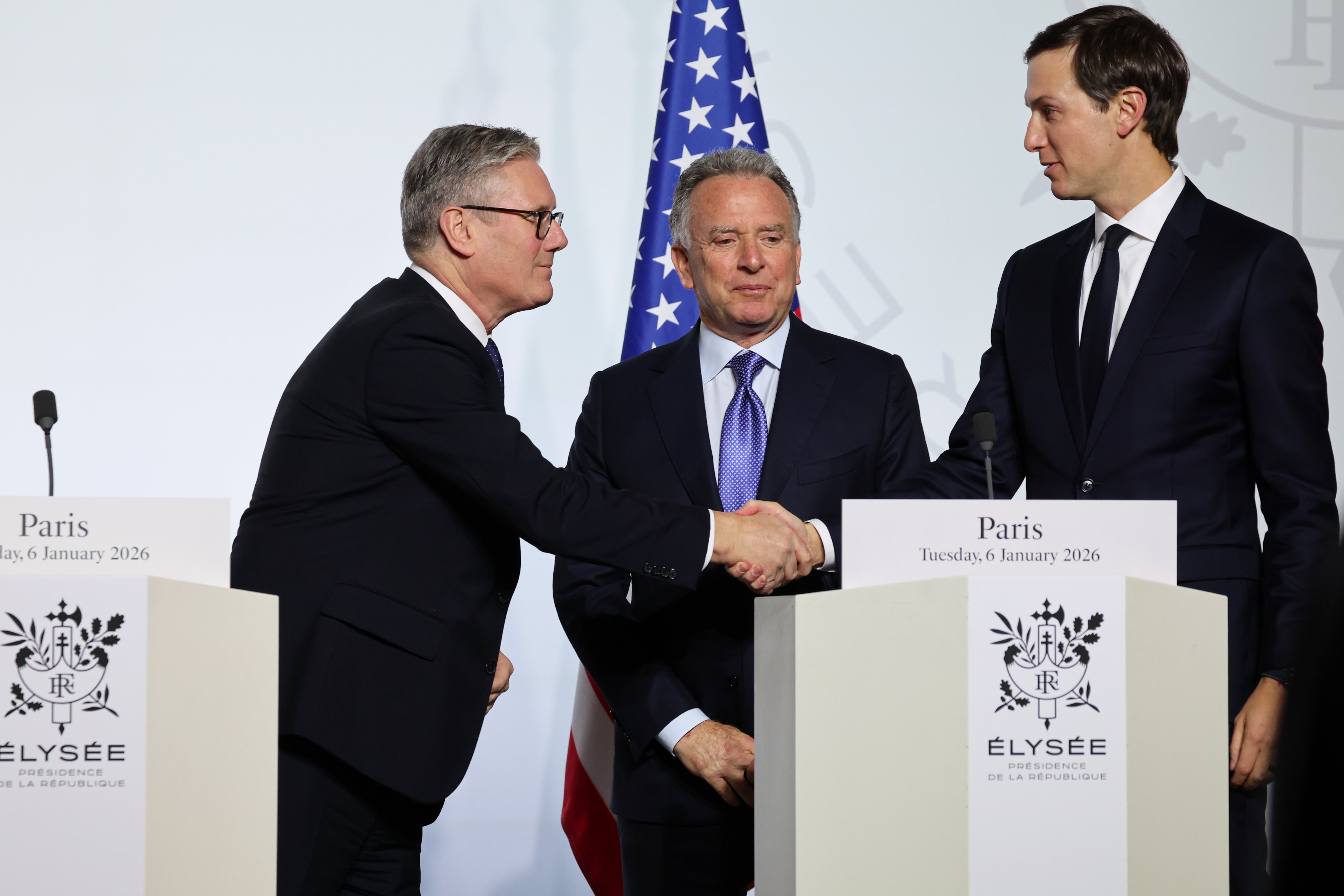
This second phase is fundamentally different from its predecessor. While phase one concentrated on immediate humanitarian concerns and hostage exchanges, phase two delves into the intricate process of reconstituting the Gaza Strip. It mandates the formation of a technocratic committee to assume governance, a commitment Hamas initially agreed to in October. However, a significant hurdle remains: the militant group’s refusal to relinquish its weapons, posing a complex challenge to the successful implementation of the gaza ceasefire phase one vs phase two objectives within the plan.
A cornerstone of Phase 2 is the monumental task of rebuilding Gaza. Estimates suggest that the reconstruction effort will extend until at least 2040, potentially even longer. A 2024 UN report highlighted the staggering scale of destruction, with the two-year conflict generating an estimated 55 million tons of rubble. The financial implications are equally immense, with projections indicating a cost of up to $70 billion. This extensive undertaking underscores the vital need for a detailed gaza reconstruction plan explained to guide the monumental efforts ahead.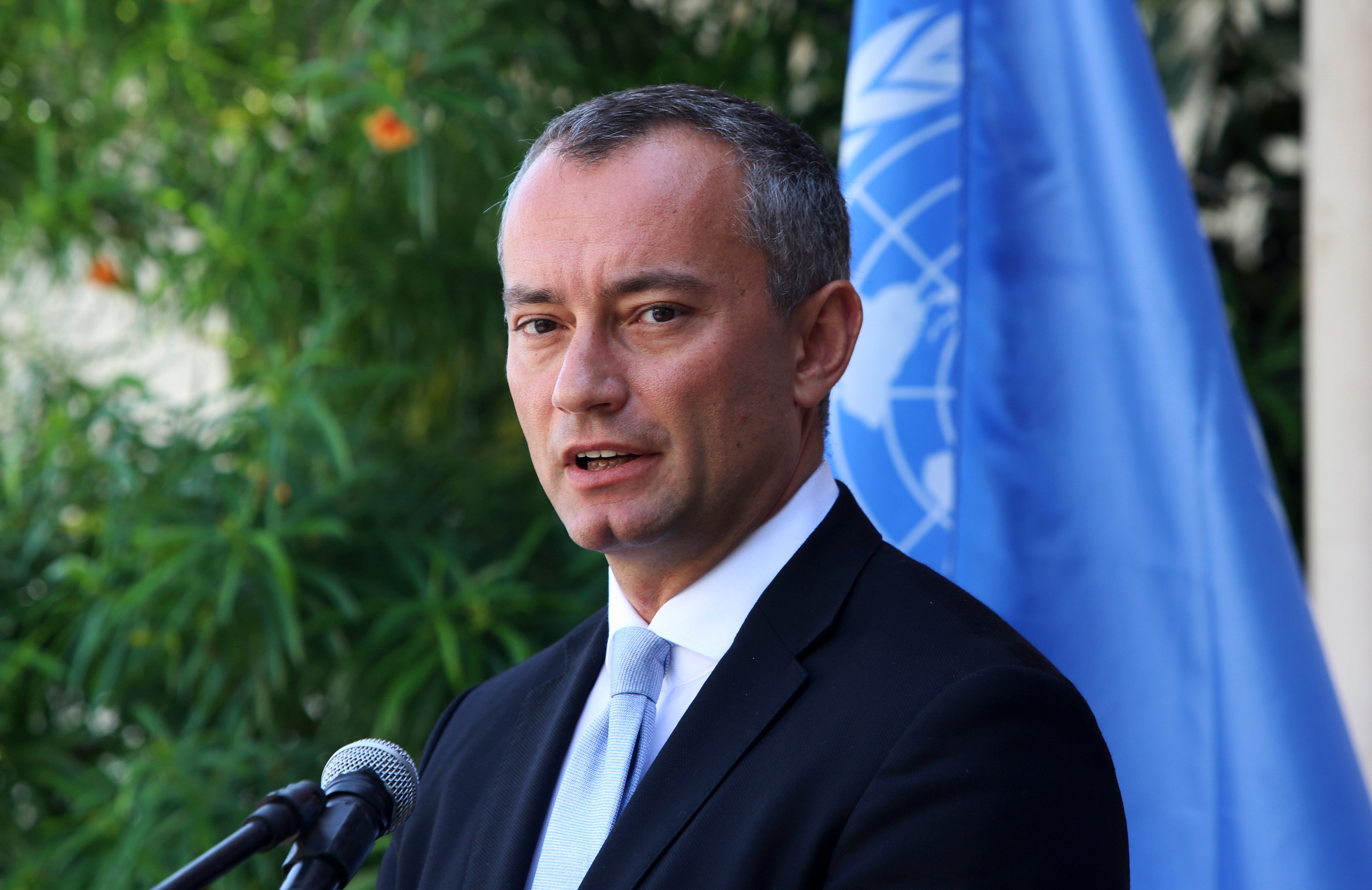
How to establish Gaza administration under this new framework involves a carefully structured transitional government. Described as “technocratic and apolitical,” this body will manage the day-to-day operations of Gaza. Oversight will be provided by an international entity known as the “Board of Peace.” This government is slated to comprise 15 members, with Ali Shaath, a former deputy minister in the Palestinian Authority, reportedly leading the committee. His initial focus is on urgent relief, including housing for displaced civilians, and innovative solutions like creating new land from rubble.
The “Board of Peace” is expected to include a diverse range of international figures. Nickolay Mladenov, a former UN Middle East envoy, is anticipated to represent the Board on the ground. Reports also suggest the involvement of private sector individuals and NGOs. Notably, high-profile figures like British Prime Minister Keir Starmer and former Labour leader Tony Blair were reportedly considered for roles, although their final participation remained subject to clarification and decision-making. This involvement highlights the broad international engagement in the middle east peace efforts guide for the region.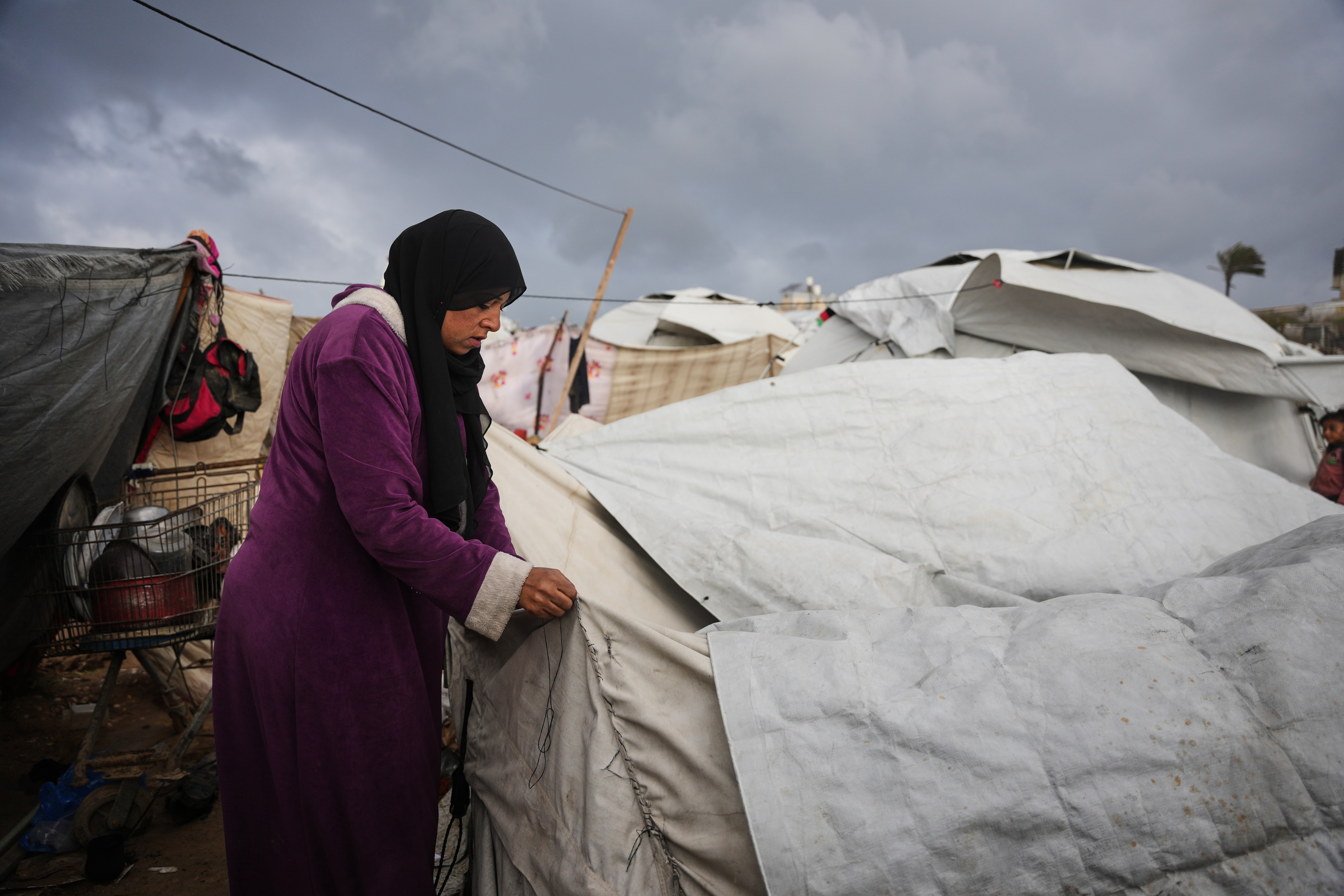
The proposed plan has elicited varied responses. Both Hamas and its rival Fatah group, led by Palestinian President Mahmoud Abbas, have reportedly endorsed the list of technocratic committee members. The Palestinian Authority in the West Bank also welcomed the US initiative, emphasizing the importance of linking Gaza’s institutions with those in the West Bank to uphold “one system, one law and one legitimate weapon.” However, Israel remains skeptical about Hamas’s willingness to disarm and the Palestinian people’s desire for peace, signaling a need for diplomatic efforts to bridge these significant differences in the ongoing hamas disarmament vs palestinian authority discussions.
US officials acknowledge the skepticism but remain committed to empowering an alternative to Hamas that genuinely seeks peace. Discussions are now slated to engage Hamas regarding demilitarization and Israel concerning potential amnesty programs should disarmament occur. The complexity of these negotiations underscores the long road ahead for the gaza future plan 2026 and the broader pursuit of a middle east stability guide 2026. The goal is not merely to end conflict but to cultivate a sustainable environment for peace and development, requiring careful diplomatic navigation and persistent commitment from all parties involved.
As the international community watches closely, the success of what is Gaza Ceasefire Phase 2 hinges on the ability of all stakeholders to overcome entrenched hostilities and work towards a shared vision of a stable, prosperous future for Gaza. The challenges are immense, from massive reconstruction to complex political integration and disarmament, but the commencement of this phase represents a crucial, albeit delicate, step forward in the enduring quest for peace in the Middle East.








