


The landscape of American governance often sees legal actions intertwined with political narratives, a phenomenon best understood through the lens of DOJ political investigations explained. Recent events involving Minnesota Governor Tim Walz and Minneapolis Mayor Jacob Frey highlight the contentious nature of such probes, where legal experts have vehemently denounced federal scrutiny as baseless, sparking widespread outrage among allies and civil liberties advocates. This situation exemplifies the critical need to discern legitimate law enforcement efforts from actions perceived as politically motivated.
The Department of Justice launched a criminal probe against Walz and Frey, accusing them of obstructing federal law enforcement through their public statements. This startling decision followed a significant surge in immigration enforcement in Minnesota, leading to thousands of arrests and accusations of violent tactics against both immigrants and citizens. Legal experts, however, argue that the officials’ remarks are protected by the First Amendment, raising serious questions about the validity and intent behind the federal investigation.
What is obstruction of justice? Obstruction of justice typically involves interfering with a legal proceeding or investigation through actions like destroying evidence, intimidating witnesses, or lying to authorities. Public officials expressing political opinions, even if critical of federal actions, are generally protected by free speech and do not constitute obstruction.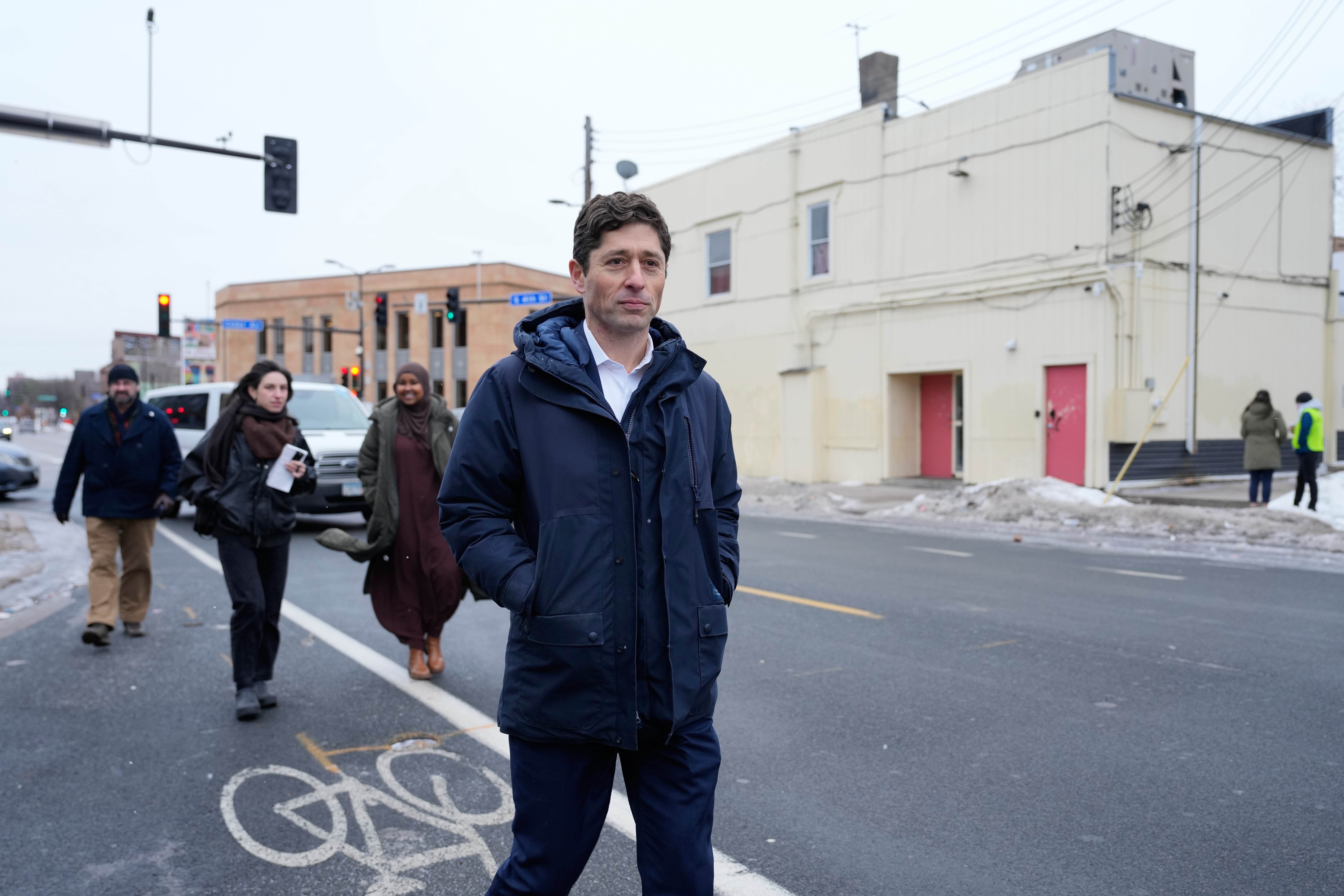
Prominent legal figures have not minced words, labeling the DOJ’s case as “total garbage” and a “complete non-start of a prosecution.” They emphasize the fundamental conflict inherent in the Trump DOJ vs First Amendment debate, asserting that public statements, even inflammatory ones, fall squarely within constitutional protections. The notion that political speech could be criminalized for potentially influencing public protest or dissent strikes at the core of democratic principles.
Experts like former federal prosecutor Harry Litman have highlighted the aggressive stance taken against Walz, dismissing the accusations as a political crusade rather than a legitimate legal inquiry. The Justice Department’s allegations that Walz and Frey’s remarks prevented officers from performing their duties are seen by many as a dangerous precedent, potentially chilling free speech among elected officials who voice dissent against federal policies.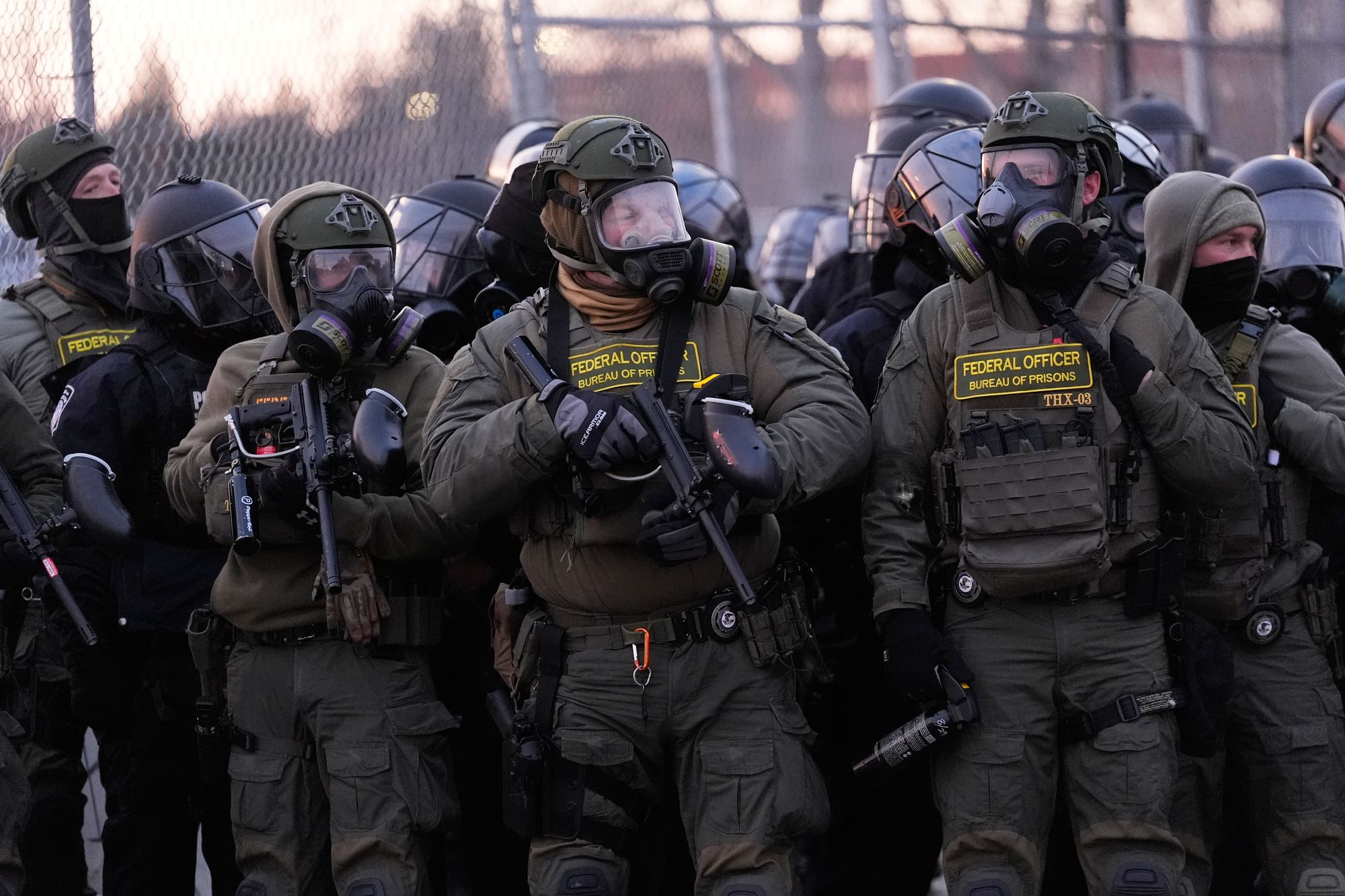
The question, “Why is the DOJ investigating Walz and Frey?” frequently arises, with critics pointing to a pattern of the administration using the Justice Department to target perceived political enemies. This probe is viewed as part of a broader campaign of “retribution” following the president’s own legal challenges, transforming the DOJ into a tool for political intimidation rather than impartial justice.
Further fueling the controversy around the Trump DOJ probe latest developments, the investigation into Walz and Frey is not an isolated incident. Other Democratic figures and critics of the administration have faced similar scrutiny, suggesting a deliberate strategy to silence opposition. Such actions raise alarm bells about the integrity of democratic institutions and the rule of law.
The core legal dilemma, “Is political speech obstruction of justice?”, is unequivocally answered by legal scholars: it is not. As former federal prosecutor Elie Honig stated, public officials making even aggressive political speech, which may lead to protests, does not equate to obstruction of justice. An indictment on such grounds would almost certainly fail in court, underscoring the political rather than legal nature of the current charges.
Regarding the Tim Walz investigation update and Jacob Frey controversy news, both leaders have fiercely pushed back, asserting their constitutional right to speak out for their constituents. Walz condemned the “weaponizing” of the justice system as an “authoritarian tactic,” while Frey vowed not to be intimidated, maintaining his focus on public safety. Their defiance underscores the high stakes involved in safeguarding democratic discourse.
The broader implications of political weaponization explained 2026 extend beyond individual cases, threatening the very fabric of governance. When a justice department is perceived as a political instrument, public trust erodes, and the checks and balances essential for a healthy democracy are undermined. This trend necessitates vigilance and a steadfast commitment to upholding constitutional rights and legal impartiality.
As we look toward DOJ scrutiny guide 2026, understanding the historical context and legal precedents of such probes becomes paramount. The current investigation into Walz and Frey serves as a stark reminder of the potential for executive overreach and the importance of a robust defense of civil liberties and the First Amendment. Ensuring the Justice Department operates free from political influence is crucial for the future of American democracy, a principle that underpins a comprehensive understanding of DOJ political investigations explained.



![[post_title]](https://samony.com.ng/wp-content/uploads/2026/01/1768684973_Bikes-news-South-Australia-clarifies-MotoGP-interest-300x200.jpg?lm=696BFDB1 "Major South Australia MotoGP Update: The Bend’s Role Explained")





