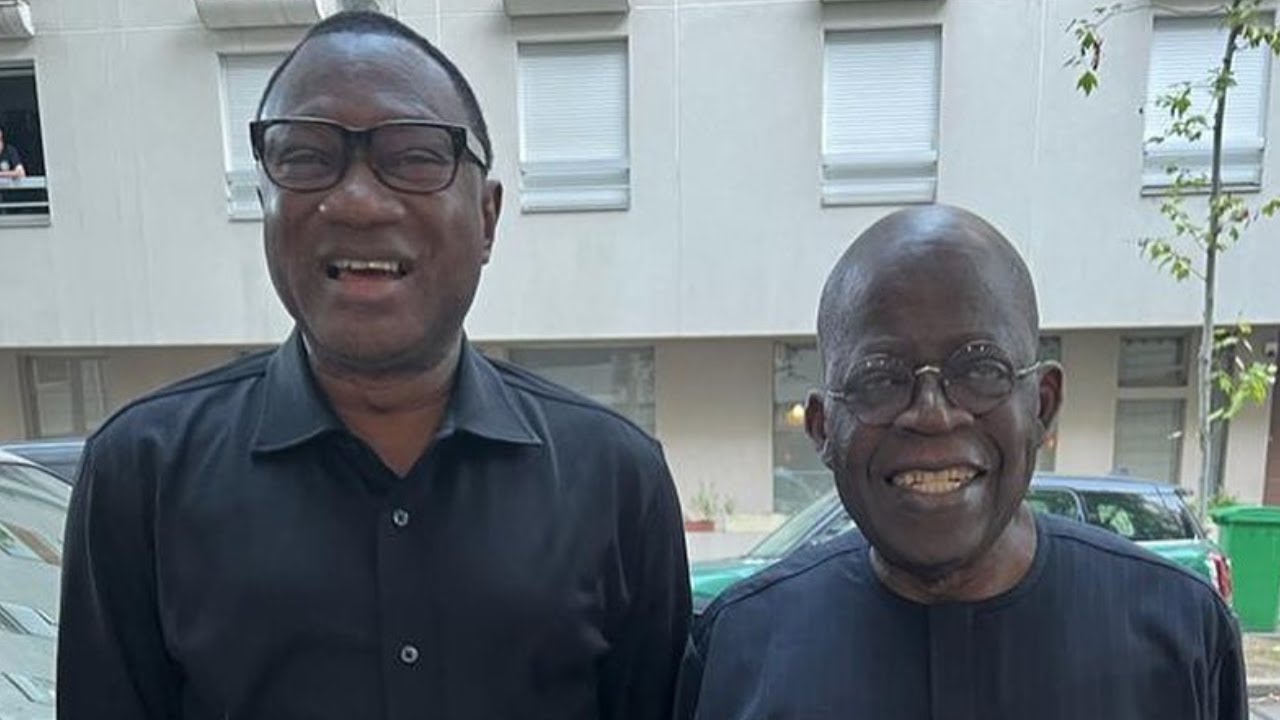
Billionaire businessman Femi Otedola has publicly commended President Bola Tinubu and Central Bank of Nigeria Governor Yemi Cardoso, highlighting their bold and necessary economic reforms. At the heart of these significant changes lies the crucial topic of CBN capital requirements explained, a move set to reshape Nigeria’s financial landscape. Otedola, who chairs FBN HoldCo Plc, rarely offers public commentary on policy, despite his extensive three-decade career building businesses and navigating Nigeria’s complex economic cycles. His recent statement underscores the profound impact of the current administration’s direction.
Otedola’s decision to speak out reflects a pivotal moment for Nigeria’s economy. As a seasoned investor, his endorsement carries significant weight, signaling confidence in the current economic trajectory. He emphasized that there are specific instances when leadership demands recognition, particularly when facing challenging reforms that are vital for long-term stability and growth.
What are CBN capital requirements? The Central Bank of Nigeria’s capital requirements are the minimum capital adequacy ratios and equity thresholds banks must maintain to ensure financial stability, protect depositors, and absorb potential losses. These requirements are essential for preventing systemic risk and fostering a robust banking sector.
President Tinubu’s administration has demonstrated remarkable courage and clarity in steering the country through a series of difficult but essential reforms. Otedola noted that these policies are not only gaining traction domestically but are also beginning to receive global recognition for their strategic intent and potential for long-term positive outcomes. He stated that having witnessed numerous administrations, President Tinubu’s conviction during this critical period is particularly commendable.
The leadership of Mr. Yemi Cardoso at the apex bank also received high praise. Otedola pointed to tangible evidence of success, particularly the noticeable slowdown in inflation. This, he argued, is a direct result of a disciplined return to orthodox monetary policy, moving away from previous artificial interventions. These are not merely theoretical concepts, but real results, manifesting in a gradual easing of economic pressure on households and businesses across the nation.
Why is naira strengthening? The recent strengthening of the naira is largely attributed to the comprehensive reforms implemented in the foreign exchange market by the Central Bank. These reforms have restored confidence by allowing market forces to determine the currency’s value, rather than relying on unsustainable artificial measures. This shift has created a more transparent and predictable environment for investors and businesses.
Further bolstering the economic outlook, Nigeria’s external reserves have reportedly climbed to a seven-year high, surpassing an impressive $46 billion. This significant increase provides a stronger buffer against external shocks and enhances the country’s capacity for international trade and investment, reflecting positively on the CBN’s strategic management of the economy.
The decision to recapitalize the banking sector, despite initial criticisms, was deemed necessary by Otedola. He firmly believes that strengthening the capital bases of Nigerian banks is fundamental. This move will empower financial institutions to significantly increase their lending capacity to the real sector, thereby stimulating economic growth and supporting various industries across the country.
Otedola further advocated for an even more robust financial system, suggesting that the minimum capital requirement for international banking licenses should be raised from the current N500 billion to at least N1 trillion. He articulated that a modern economy aspiring to achieve a $1 trillion valuation cannot afford to rely on weakly capitalized banks, emphasizing the need for financial institutions that can truly underpin ambitious national growth targets.
In a significant development, Otedola disclosed that FirstBank, the commercial banking arm of FBN HoldCo Plc, has successfully met the N500 billion minimum capital requirement set by the CBN for an international banking license. He affirmed that shareholders are fully committed to injecting additional capital into various subsidiaries and exploring new business areas, underscoring the bank’s readiness to contribute to national development.
His admiration for the current CBN governor was unequivocal. Otedola stated without hesitation that Yemi Cardoso stands out as the best Central Bank Governor Nigeria has ever produced, a testament to the visible positive impacts of his policies and leadership.
Otedola urged the CBN governor to maintain his current trajectory, expressing strong belief that Nigeria is indeed turning a corner. He assured that supporters of the country’s economic progress would continue to back the ongoing monetary reforms, recognizing their long-term benefits for national stability and prosperity. These critical CBN capital requirements explained are paving the way for a more resilient financial future.