

![[post_title]](https://samony.com.ng/wp-content/uploads/2025/12/1765951744_Bondi-Beach-attacker-Sajid-Akram-was-originally-from-southern-India.jpg?lm=69424900)
Police have confirmed that one of the two gunmen responsible for the deadly attack at Sydney’s Bondi Junction, Sajid Akram, 50, was originally from southern India. Akram, who was killed by authorities during the incident on Sunday, had relocated to Australia in 1998. He maintained limited contact with his family in the Indian state of Telangana, returning only six times since his migration, primarily for family visits and property matters.
Investigations by Telangana police have revealed that Akram’s relatives expressed no knowledge of any radical mindset or activities his son may have been involved in. A police official stated that the factors leading to Sajid Akram’s radicalisation “appear to have no connection with India or any local influence in Telangana.” He had no prior criminal record in India and held an Indian passport throughout his time overseas.
Sajid Akram was accompanied in the attack by his 24-year-old son, Naveed Akram, who survived the police response and remains hospitalised. Naveed Akram, an Australian citizen, had regained consciousness and is expected to be formally questioned by investigators once medical effects have worn off and he has legal representation. New South Wales Police Commissioner Mal Lanyon indicated that questioning was imminent.
Prime Minister Anthony Albanese anticipates Naveed Akram will face charges in the coming hours, stating that the attack appears to have been motivated by Islamic State ideology. Australian authorities previously indicated that the father and son had spent a significant portion of November in the Philippines, a trip confirmed by Philippine authorities. Security sources suggested the possibility of military-style training during their overseas travel.
Naveed Akram had previously come to the attention of Australian authorities in 2019 over alleged links to an Islamic State cell in Sydney. However, an assessment at the time concluded there was no indication of an ongoing threat or intent to engage in violence. This revelation has prompted calls for stricter firearms legislation.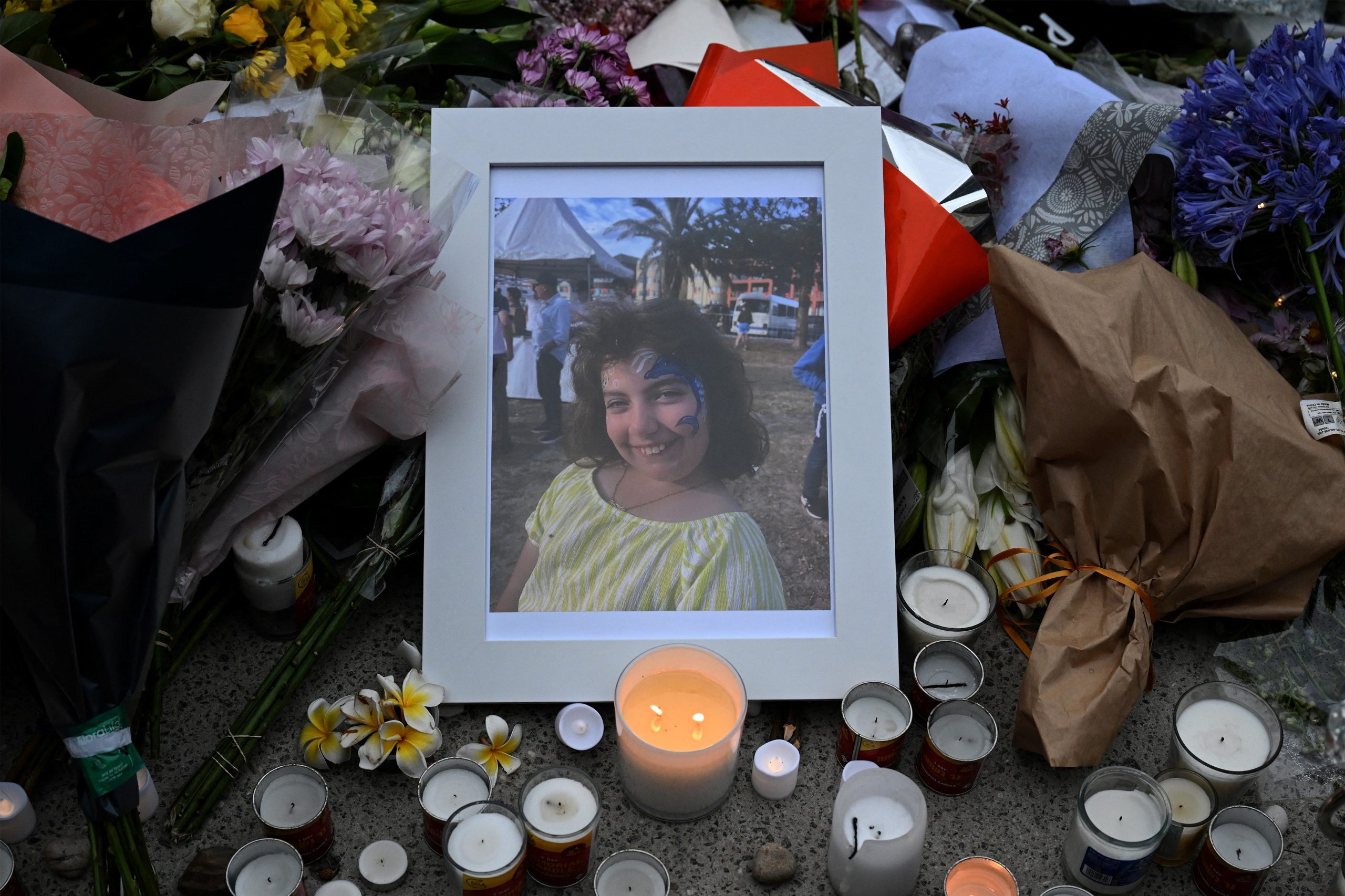
In the wake of the tragedy, security has been significantly increased at funerals and memorials across Sydney, with a strong police presence as the Jewish community gathers to mourn the victims. The attack, which claimed 15 lives, has sent shockwaves through Australia and raised serious questions about radicalisation and security protocols.
Authorities are meticulously piecing together the events leading up to the attack, focusing on the movements and motivations of both Sajid and Naveed Akram. The investigation is expected to delve into their time in the Philippines and any potential external influences that may have contributed to their actions. The focus remains on understanding the extremist ideology that may have driven this devastating act of violence.
The confirmation of Sajid Akram’s Indian origin adds a new dimension to the investigation, though police are keen to stress that current evidence suggests no direct link to radicalisation within India. The situation highlights the complex nature of global extremism and the challenges faced by law enforcement in identifying and mitigating such threats within diverse communities.
New South Wales Premier Chris Minns has announced that parliament will be recalled next week to expedite the passage of new firearms legislation. This legislative response aims to address concerns raised by the attack and strengthen gun control measures in the state. The government is committed to preventing future tragedies through robust policy reform.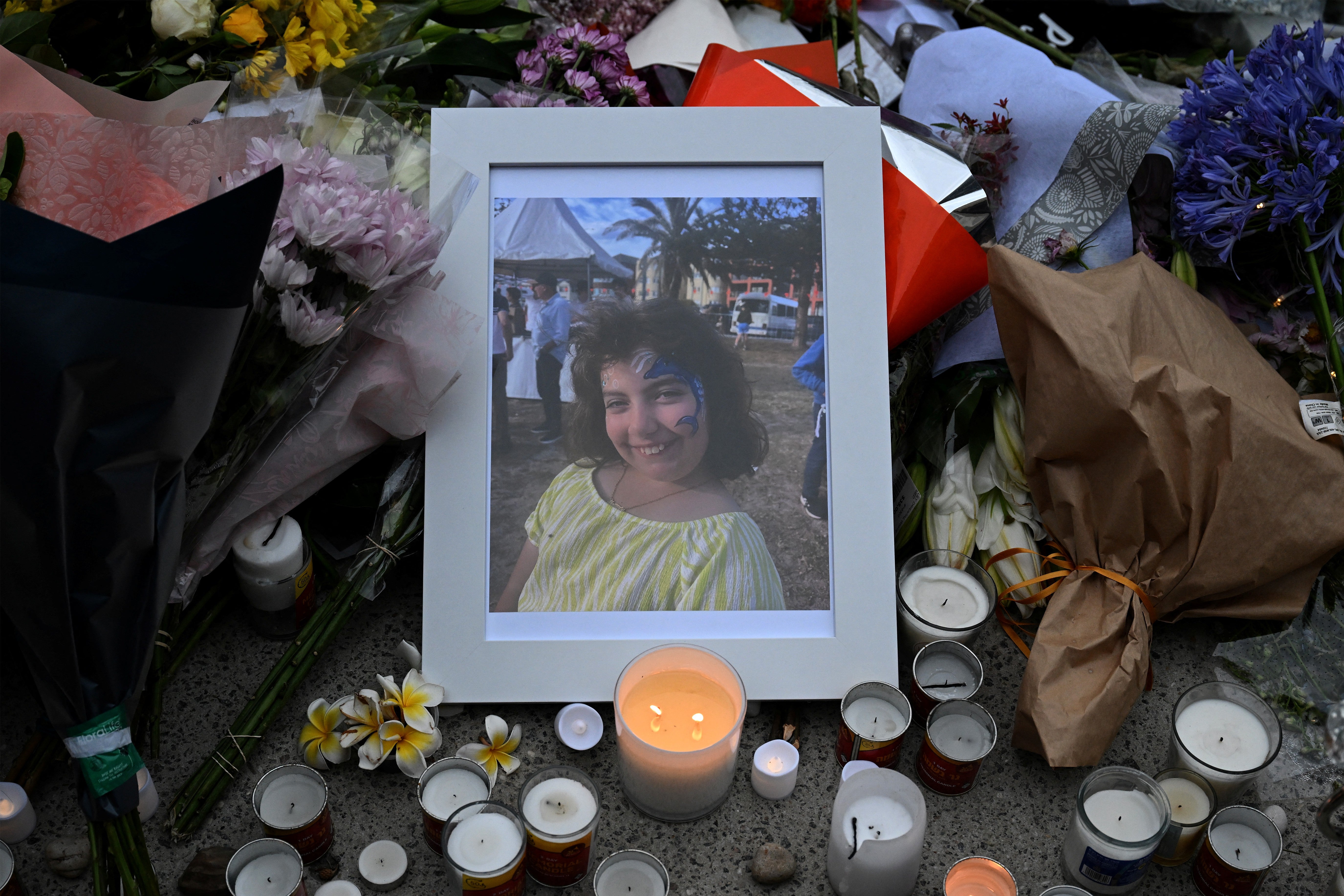
The Bondi Junction attack has underscored the persistent threat of extremism and the need for continuous vigilance. The ongoing investigation will aim to provide a comprehensive understanding of the perpetrators’ backgrounds and the pathways to radicalisation, informing future counter-terrorism efforts. The community’s resilience is being tested as it grapples with this profound loss.

![[post_title]](https://samony.com.ng/wp-content/uploads/2025/12/Elderly-woman-arrested-for-allegedly-running-an-illegal-prison-in-300x150.jpg?lm=69406ADA "Woman Arrested for Allegedly Operating Illegal Home Prison, Detaining 36 Men")

![[post_title]](https://samony.com.ng/wp-content/uploads/2025/12/1765948429_Avatar-Fire-and-Ash-First-Reviews-Familiar-but-Still-a-300x157.jpg?lm=69423C0E "Avatar Fire and Ash Reviews: Spectacle Reigns, Familiarity Looms")
![[post_title]](https://samony.com.ng/wp-content/uploads/2025/12/How-to-Keep-Your-Immune-System-Healthy-8-Tips-300x169.jpg?lm=69423DD0 "Boost Your Immunity: Essential Habits for a Stronger Defense")
![[post_title]](https://samony.com.ng/wp-content/uploads/2025/12/1765948048_Trumps-400M-White-House-ballroom-construction-expected-to-continue-during.jpg?lm=69423A90 "Trump’s $400M White House Ballroom Construction Continues Amid Lawsuit")
![[post_title]](https://samony.com.ng/wp-content/uploads/2025/12/Police-arrest-popular-TikToker-Peller-after-reckless-driving-300x180.jpg?lm=6942378C "Lagos Police Detain Popular TikToker Peller Over Reckless Driving Incident")

![[post_title]](https://samony.com.ng/wp-content/uploads/2025/12/1765951446_PDP-16-years-rule-glorious-legacy-still-standing-Turaki-1024x1024.jpg?lm=694247D7 "PDP Chairman Vows to Reclaim Power, Cites Glorious Past")
![[post_title]](https://samony.com.ng/wp-content/uploads/2025/12/Elderly-woman-arrested-for-allegedly-running-an-illegal-prison-in-1024x512.jpg?lm=69406ADA "Woman Arrested for Allegedly Operating Illegal Home Prison, Detaining 36 Men")

