

Black Sea Shipping Under Pressure: Analyzing the Attack on a Russian Tanker
The news cycle recently highlighted an incident involving a Russian-flagged tanker, the MIDVOLGA-2, reportedly attacked off the Turkish coast. This event, happening amidst the larger context of the Russia-Ukraine conflict, prompts several considerations about maritime security, geopolitical strategy, and the evolving nature of modern warfare. It’s a complicated picture, certainly.
First, consider the immediate details. The MIDVOLGA-2, carrying sunflower oil, encountered an incident about 80 miles from Turkey. Initial reports suggest a possible kamikaze drone strike. The crew is safe, and the tanker is proceeding to a Turkish port. The Turkish government is, understandably, being cautious, conveying messages to “relevant parties,” including Ukrainian authorities.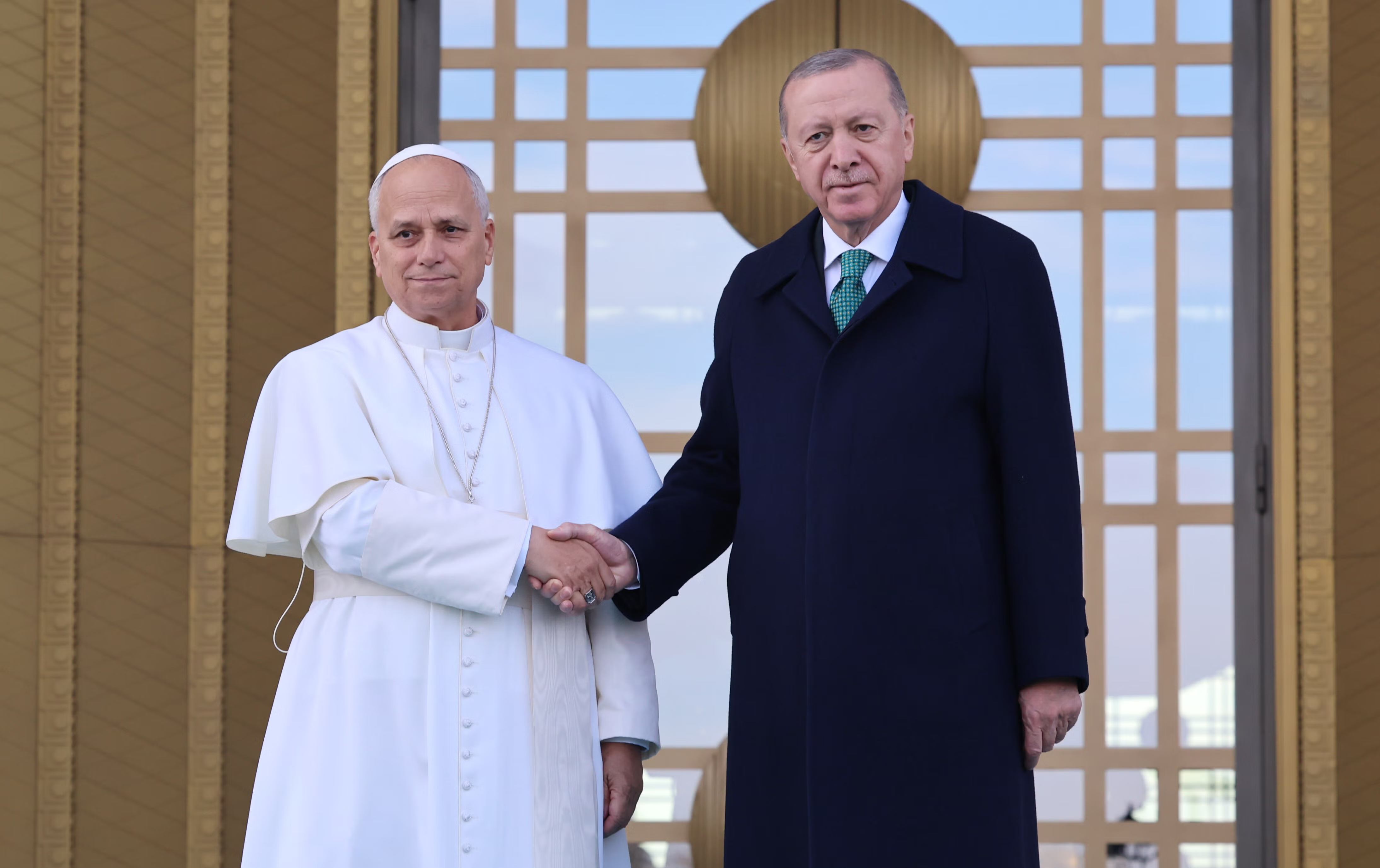 >
>
Yet, context matters. Just days prior, Ukrainian naval drones reportedly struck two tankers in the Black Sea, tankers already sanctioned by Ukraine and some Western nations. These vessels were en route to Russia to load oil intended for foreign markets. Kyiv seems to be escalating pressure on Russia’s oil industry, targeting its export capabilities.
Turkish President Erdogan has weighed in, declaring attacks on commercial shipping in the Black Sea “unacceptable.” This statement is significant given Turkey’s unique position. It’s a NATO member that maintains ties with both Ukraine and Russia, providing military aid to Kyiv while avoiding Western sanctions on Moscow. Turkey also actively offers itself as a mediator, given its shared maritime borders and concern for Black Sea navigation.
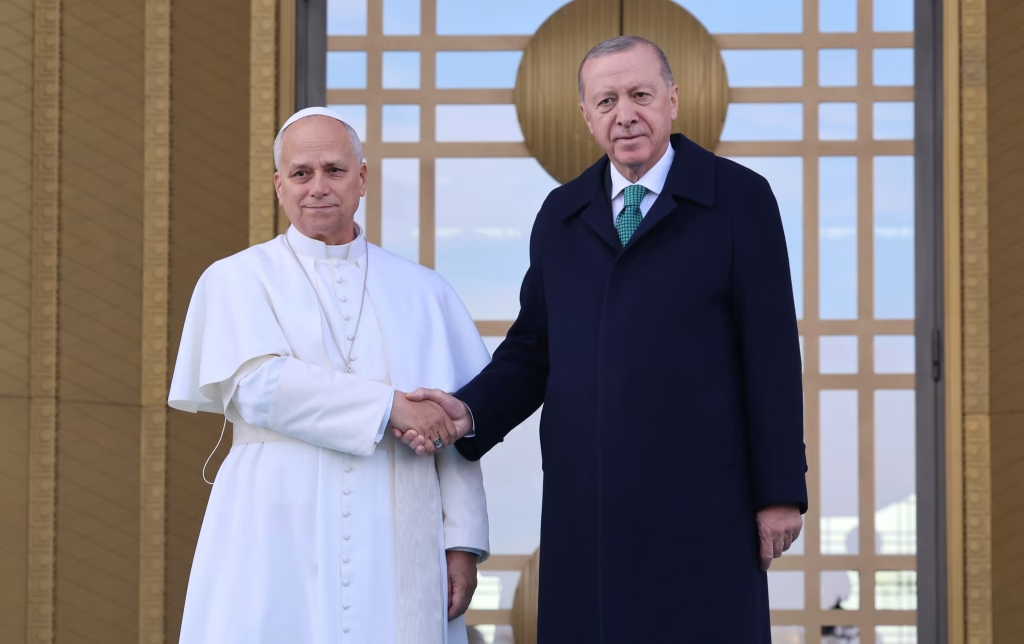
It’s worth noting Erdogan’s recent meeting with Pope Leo XIV, where the Ukraine conflict was discussed. The Pope emphasized Turkey’s “important role” in the conflict and encouraged dialogue. A complex diplomatic game plays out behind the scenes.>
This incident raises some pertinent questions. Are these isolated events, or do they signal a broader escalation in naval warfare in the Black Sea? Is Ukraine intentionally targeting Russian oil infrastructure to cripple its war efforts? What are the long-term implications for commercial shipping in the region?
Naval drone technology introduces a new dynamic. The relative affordability and accessibility of these drones mean non-state actors could use them. It makes maritime security significantly more difficult to maintain. The implications for international trade and energy markets could be enormous if these attacks become commonplace.
Given these facts, the role of Turkey becomes even more crucial. Its geographic position and diplomatic ties place it as a critical stakeholder in de-escalation. However, Turkey must also balance its relationships and commitments to both sides. It will ensure the continued flow of commerce through the Black Sea.
I’ve observed similar patterns in other conflict zones. Targeting economic infrastructure is a standard tactic, and it can have devastating effects. It intensifies conflict and impacts civilian populations. This Black Sea development must be watched closely.
The attack on the MIDVOLGA-2 underlines how the Russia-Ukraine conflict extends beyond ground warfare. It impacts international shipping, energy markets, and regional stability. It requires careful analysis. It needs coordinated diplomatic efforts to prevent further escalation.
This challenge necessitates clear communication. All parties involved need to set expectations regarding acceptable behavior in the Black Sea. Establishing and respecting maritime corridors could provide a measure of safety for commercial vessels. Ignoring these issues risks a spiral of retaliatory attacks, which would harm everyone involved.
Still, there’s reason for skepticism. Russia and Ukraine have conflicting goals. Finding common ground will be challenging. However, the potential consequences of inaction are dire.
To that end, the international community must prioritize de-escalation and dialogue. Supporting Turkey’s mediation efforts could offer a pathway toward a more stable environment in the Black Sea. The alternative is a maritime conflict with far-reaching consequences, something no one should want.

![[post_title]](https://samony.com.ng/wp-content/uploads/2025/12/1764664559_Noni-Maduekes-damaged-relationship-with-Chelsea-star-after-Arsenal-incident-300x158.jpg?lm=692EA4F2 "Madueke’s Homecoming: Rivalry, Loyalty, and Football’s Shifting Sands")

![[post_title]](https://samony.com.ng/wp-content/uploads/2025/12/Helicopter-Vehicle-Used-For-Kidnapping-In-Catholic-School-In-Niger-300x169.jpeg?lm=692E5EF9 "Decoding Banditry’s Ascent: The Helicopter is a Symptom, Not the Disease")
![[post_title]](https://samony.com.ng/wp-content/uploads/2025/12/Upper-Eyre-Peninsula-site-selected-for-proposed-5-billion-desalination-300x169.jpeg?lm=692E7281 "Whyalla Desalination: Balancing Mining Needs with Spencer Gulf’s Fragile Ecosystem")
![[post_title]](https://samony.com.ng/wp-content/uploads/2025/12/Oh-NO-Boko-Haram-Attacks-Adamawa-Community-Klls-Former-Councillor-300x259.png?lm=692E7B88 "Boko Haram Back? This Attack Near Governor’s Hometown Has People Scared")
![[post_title]](https://samony.com.ng/wp-content/uploads/2025/12/Rise-in-threats-by-sovereign-citizens-sparks-call-for-Victorian-300x169.jpeg?lm=692E8152 "Sovereign Citizen Threats Against Judges Surge, Endangering Rule of Law in Australia")

![[post_title]](https://samony.com.ng/wp-content/uploads/2025/12/1764665117_Liz-Hurley-looks-25-in-teeny-string-bikini-as-she-1024x538.jpg?lm=692EA71E "Liz Hurley’s Bikini Pics: What’s the Real Story With “Ageless” Beauty?")
![[post_title]](https://samony.com.ng/wp-content/uploads/2025/12/1764664559_Noni-Maduekes-damaged-relationship-with-Chelsea-star-after-Arsenal-incident-1024x538.jpg?lm=692EA4F2 "Madueke’s Homecoming: Rivalry, Loyalty, and Football’s Shifting Sands")
