

![[post_title]](https://samony.com.ng/wp-content/uploads/2025/11/The-Devil-Can-Make-Us-Confused-That-We-Turn-Against.jpeg?lm=69282F37)
Analyzing Oshiomhole’s Warning: Is Unity Enough to Solve Nigeria’s Challenges?
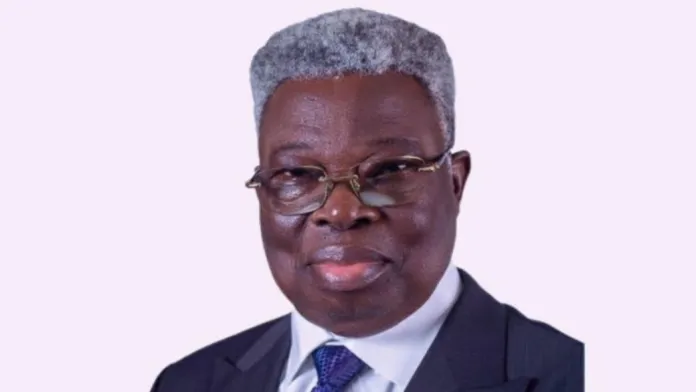
Adams Oshiomhole, a prominent figure in Nigerian politics, recently cautioned the government against internal division. His statement, referencing potential “confusion” sown by unseen forces, urges solidarity within the ruling party. It seems like a familiar script in Nigerian political discourse, particularly when administrations face mounting pressure.
Oshiomhole’s comments arrived amidst increasing economic anxieties and growing dissatisfaction with current policies. The senator’s warning isn’t new; we have witnessed similar calls for unity whenever cracks appear within the ruling elite. This raises a fundamental question: Is simply maintaining a united front truly sufficient to address the deep-seated issues Nigeria confronts?
These pronouncements from experienced politicians always merit close inspection. Calls for unity, while seemingly virtuous, can sometimes mask underlying power struggles or deflect attention from legitimate concerns. The idea that “the enemy” gains an upper hand through internal squabbles echoes a long-standing narrative. Yet, is the “enemy” always external, or could it be inherent in the system itself?
Nigeria’s problems extend far beyond a lack of cohesion among political actors. Issues like corruption, infrastructural deficits, and unequal resource distribution require more than just a united front. They demand tangible solutions, accountability, and a genuine commitment to reform.
The statement’s timing is noteworthy. Public trust in the government appears to be wavering. Economic policies are under intense scrutiny. In this climate, appeals for solidarity could be interpreted as an attempt to consolidate power and silence dissent.
The former APC chairman appears to imply that internal disagreements are inherently detrimental. This assertion is debatable. Constructive criticism and diverse perspectives can lead to better policy outcomes. Suppressing dissenting voices in the name of unity could stifle innovation and exacerbate existing problems.
It is vital to acknowledge the complexities involved. Nigeria is a diverse nation with competing interests and ideologies. Expecting complete harmony within the government is unrealistic. The challenge lies in managing these differences productively, fostering dialogue, and finding common ground for the benefit of all Nigerians.
Oshiomhole’s pronouncements are a reminder of the pressures and dynamics at play within the Nigerian political system. These dynamics are especially so during moments of uncertainty. However, they prompt some introspection.
Unity has value. A cohesive government can more effectively implement policies and address national challenges. Still, unity should not come at the expense of transparency, accountability, and inclusivity.
Nigerians need more than just a united government. They need a government that is responsive to their needs, accountable for its actions, and committed to building a more just and equitable society. Calls for unity should be accompanied by concrete steps to address the root causes of Nigeria’s problems, not just mask the symptoms.
Previous administrations have touted “unity” as a panacea. Yet, tangible progress remained elusive. Cynicism grows when citizens perceive unity as a tool to consolidate power rather than as a genuine effort to improve their lives.
The focus shouldn’t solely be on preventing internal divisions, but on cultivating a political culture that values integrity, competence, and public service. Such a culture would naturally foster greater unity and trust between the government and the people.
The concept of an “enemy” exploiting internal conflict is a common trope in politics. While external threats exist, the more pressing concern lies in addressing the internal weaknesses that make Nigeria vulnerable in the first place.
Ultimately, Oshiomhole’s warning serves as a starting point for a broader conversation about leadership, governance, and the future of Nigeria. It is up to Nigerians to critically examine these messages, hold their leaders accountable, and demand concrete action to address the nation’s pressing challenges. Only then can the country truly move forward, regardless of the “devil’s” supposed machinations.
Having observed similar patterns in the past, I am guardedly optimistic. Real change requires more than just words; it demands unwavering commitment and a collective effort from all stakeholders. Whether Nigeria can rise to this challenge remains to be seen.
Let’s analyze Oshiomhole’s statement not as an isolated event. Let’s analyze it as a symptom of a recurring theme in Nigerian politics. Calls for unity often surface when governments face adversity. This raises important questions about the motivations behind these calls and their potential impact on the nation’s progress. Is it a genuine plea for the common good, or a strategic maneuver to consolidate power?
Keywords: Nigerian politics, Oshiomhole warning, unity in Nigeria, Nigeria challenges, Nigerian government, political division, economic anxieties, governance in Nigeria

![[post_title]](https://samony.com.ng/wp-content/uploads/2025/12/1764926114_Im-A-Celeb-reveals-major-rule-change-for-campmates-just-300x158.jpg?lm=6932A2A6 "Jungle Signals: Decoding Reality TV’s Evolution Through “I’m A Celeb”")
![[post_title]](https://samony.com.ng/wp-content/uploads/2025/12/Speaker-15-Rivers-Assembly-members-officially-dump-PDP-join-APC-300x162.jpg?lm=6932BF9C "Rivers Assembly Defections: APC Gains, PDP Faces Crisis")

![[post_title]](https://samony.com.ng/wp-content/uploads/2025/12/1764933190_Trump-administration-confirms-major-expansion-of-travel-ban-300x200.jpg?lm=6932BE49 "U.S. Travel Ban Expansion: Implications and Global Context")
![[post_title]](https://samony.com.ng/wp-content/uploads/2025/12/Microsoft-finally-has-a-better-looking-Run-dialog-for-Windows-300x156.jpg?lm=6932BB36 "Windows 11 Run: Modernization or Makeover?")
![[post_title]](https://samony.com.ng/wp-content/uploads/2025/12/Websites-back-online-as-Cloudflare-issues-fix-for-dashboard-issue-300x169.jpeg?lm=6932A8F6 "Internet Infrastructure: Centralization’s Cracks")

![[post_title]](https://samony.com.ng/wp-content/uploads/2025/12/Galatasaray-seek-to-get-back-in-groove-as-unbeaten-Samsunspor-1024x576.jpg?lm=6932C54C "Galatasaray and Samsunspor Clash: Süper Lig Showdown")
![[post_title]](https://samony.com.ng/wp-content/uploads/2025/12/1764926114_Im-A-Celeb-reveals-major-rule-change-for-campmates-just-1024x538.jpg?lm=6932A2A6 "Jungle Signals: Decoding Reality TV’s Evolution Through “I’m A Celeb”")
![[post_title]](https://samony.com.ng/wp-content/uploads/2025/12/Speaker-15-Rivers-Assembly-members-officially-dump-PDP-join-APC.jpg?lm=6932BF9B "Rivers Assembly Defections: APC Gains, PDP Faces Crisis")
