

![[post_title]](https://samony.com.ng/wp-content/uploads/2025/11/1764442978_Adamawa-sanitation-officials-clamp-down-on-defaulters-amid-poor-compliance-1024x768.jpg?lm=692B4363)
Adamawa’s Sanitation Struggle: A Critical Look at Compliance and Enforcement
Adamawa State’s monthly sanitation day, intended to improve hygiene and public health, faces a familiar hurdle: poor public compliance. Recent reports detail enforcement officials clamping down on traders and artisans who disregard the mandated clean-up period. Utensils seized, cooking fires extinguished – the scene paints a picture of a government struggling to motivate its citizens.
The core issue isn’t new. Monthly sanitation drives, common across many developing regions, aim to address waste management challenges. Yet, success hinges on more than just designating a cleaning day. It requires buy-in from the population, something Adamawa seems to be lacking.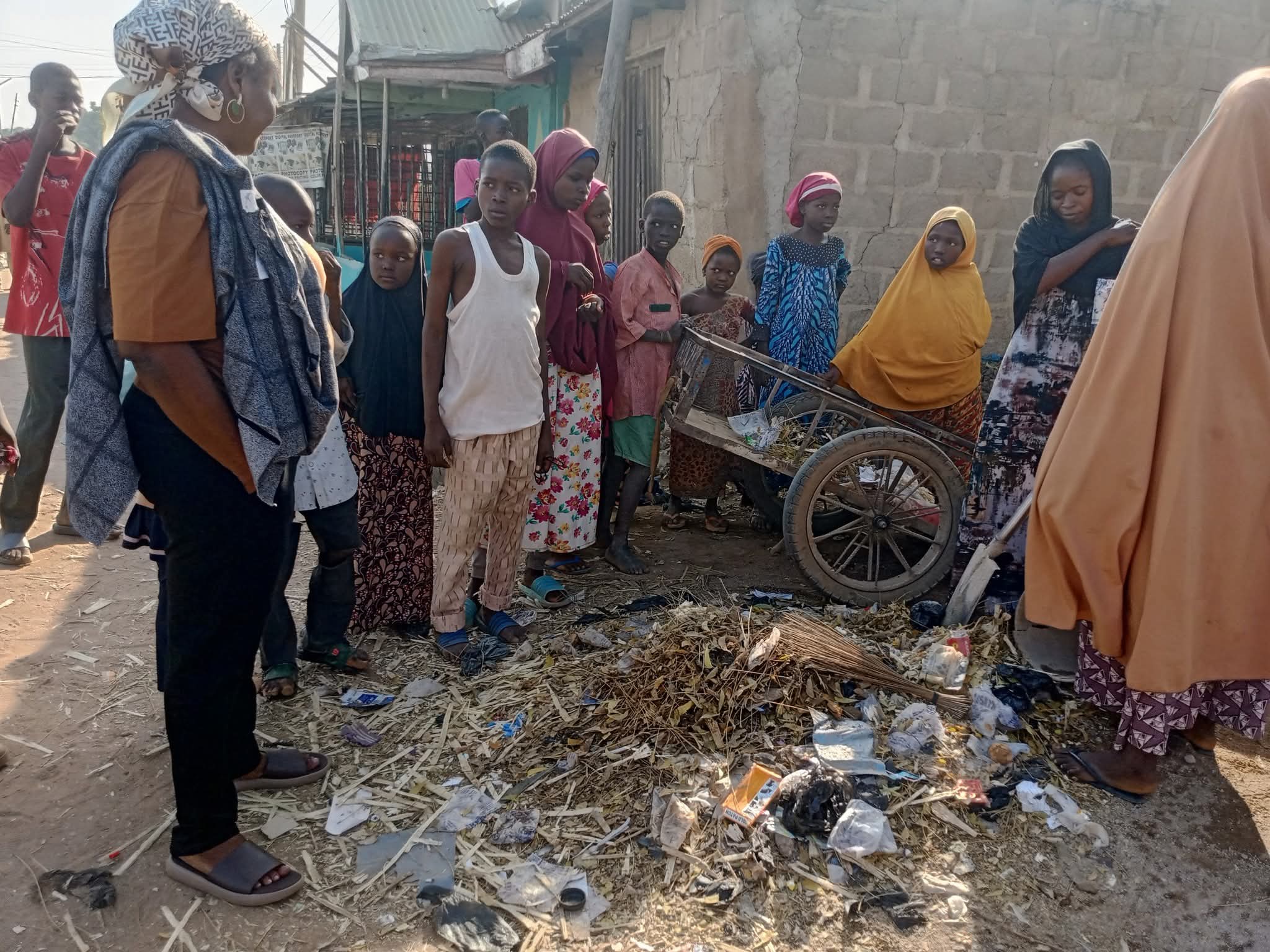 >
>
Officials express disappointment, citing a decline in public enthusiasm. They propose increased public education campaigns and even house-to-house awareness initiatives. Those are reasonable, even necessary steps. Yet, simply informing people about the importance of sanitation is rarely enough. We’ve seen that model fail repeatedly in similar contexts.
The question is: why the apathy? Is it a lack of understanding? Probably not entirely. More likely, it’s a complex mix of factors. Poverty undoubtedly plays a role. For many, that restricted three-hour window represents a significant loss of income. When survival is the daily priority, cleaning public spaces might understandably fall lower on the list.
Enforcement measures, while seemingly necessary, can backfire. Confiscating cooking equipment from street vendors, for example, is a blunt instrument that risks alienating the very people the government hopes to engage. Such actions might breed resentment, further undermining the initiative.>
Instead, a more nuanced approach is needed. Consider incentives. What if, instead of penalties, the government offered micro-loans or tax breaks to businesses that actively participate in sanitation efforts? What if community leaders were empowered to organize clean-ups, fostering a sense of ownership and collective responsibility?
It’s worth noting that successful sanitation programs often hinge on robust infrastructure. Do residents have access to proper waste disposal facilities? Are there regular garbage collection services? If the answer is no, then asking people to clean their surroundings becomes an exercise in futility. They are, after all, cleaning into a system that is flawed at its core.
This challenge in Adamawa highlights a broader trend. Governments often prioritize top-down solutions without adequately addressing the underlying socio-economic factors. They are trying to enforce compliance through punishment, but this isn’t enough. True, lasting change requires a deeper engagement with the community, a recognition of their struggles, and a commitment to creating a supportive environment.
From what the Permanent Secretary of the Ministry of Environment says, more education and more efforts are needed. But, simply repeating the same message louder won’t change a thing. The answer lies in understanding the root causes of non-compliance and tailoring solutions accordingly. Maybe this involves partnering with local NGOs, religious institutions, or even leveraging social media to promote sanitation in culturally relevant ways.
Ibrahim, the Chief Executive Officer of the Adamawa State Environmental Protection Agency spoke about house-to-house campaigns. But, I believe, there’s a risk of such campaigns coming across as intrusive or patronizing. A better approach could involve training local community health workers to act as sanitation ambassadors, fostering trust and providing personalized guidance.
It’s tempting to view this as a simple case of government versus non-compliant citizens. But the reality is far more intricate. It is really the story of a system that is constantly failing to support the people. The real challenge is to build a sanitation system that’s not only effective but also equitable and sustainable. This requires a shift in mindset, from enforcement to enablement, from penalties to partnerships.
The Adamawa case offers a valuable lesson for other regions grappling with similar sanitation challenges. It’s a reminder that lasting solutions are rarely found in quick fixes or heavy-handed enforcement. Instead, it calls for a holistic approach that addresses the root causes of non-compliance and empowers communities to take ownership of their environment. Perhaps Adamawa can serve as a model of change, not of the problem at hand.

![[post_title]](https://samony.com.ng/wp-content/uploads/2025/11/1764442978_Adamawa-sanitation-officials-clamp-down-on-defaulters-amid-poor-compliance-300x225.jpg?lm=692B4363 "Beyond Enforcement: Building a Sanitation System That Serves Adamawa’s People")
![[post_title]](https://samony.com.ng/wp-content/uploads/2025/11/1764442015_Dyson-airwrap-crashes-to-lowest-ever-price-for-Black-Friday-300x200.png?lm=692B3FA1 "Dyson Airwrap Black Friday Deal: Hype vs. Reality")

![[post_title]](https://samony.com.ng/wp-content/uploads/2025/11/1764441401_Nigerian-Gospel-Singer-Gaise-Baba-Announces-Fathers-Passing-300x228.jpeg?lm=692B3D3A "Gaise Baba’s Loss: Grief, Legacy, and Community in Nigeria")
![[post_title]](https://samony.com.ng/wp-content/uploads/2025/11/The-Super-Mario-Galaxy-bundle-for-the-Switch-is-still-300x157.png?lm=692B3D8D "Nintendo’s Super Mario Galaxy Switch Deal: A Sign of Things to Come?")

![[post_title]](https://samony.com.ng/wp-content/uploads/2025/11/Preview-Paris-FC-vs-Auxerre-prediction-team-news-lineups.net2Fuploads2F20252F092Fmoses-simon-68d5.webp?lm=692B41BF "Ligue 1 Underdogs: Paris FC and Auxerre Clash in Survival Battle")
![[post_title]](https://samony.com.ng/wp-content/uploads/2025/11/1764442610_Turning-Point-staffer-accused-of-sexually-harassing-male-employee-and-1024x683.png?lm=692B41F4 "TPUSA Staffer Accused of Sexual Harassment and Kidnapping in Lawsuit")
![[post_title]](https://samony.com.ng/wp-content/uploads/2025/11/1764442015_Dyson-airwrap-crashes-to-lowest-ever-price-for-Black-Friday-1024x683.png?lm=692B3FA5 "Dyson Airwrap Black Friday Deal: Hype vs. Reality")
