

Analyzing Industry Disruptions: When Passion Becomes a Problem
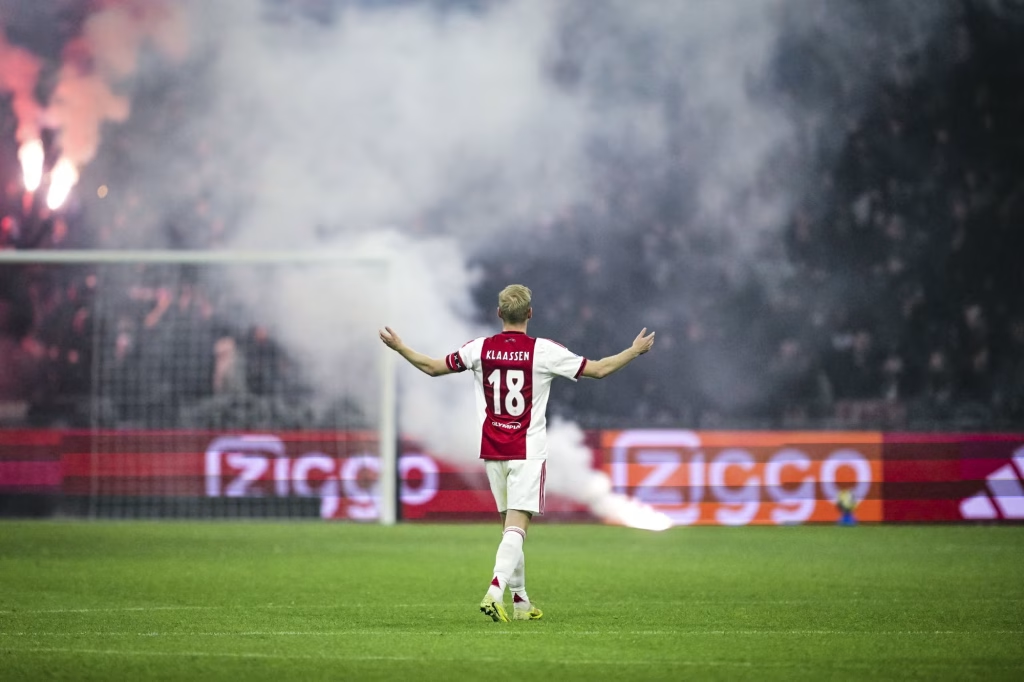
Fan behavior impacting sporting events isn’t exactly breaking news. We’ve witnessed it countless times. This recent incident involving Ajax and Groningen, where fireworks forced an abandonment, simply underscores a recurring dilemma for sports organizations. It raises broader questions about managing fan passion and stadium security.
The article highlights Ajax’s condemnation of the event, their apology, and plans for investigations. Straightforward stuff. What strikes me, though, is the club’s apparent surprise. How is it that, despite security measures, flares still made their way into the stadium? This speaks to an ongoing arms race between security protocols and determined individuals – a contest where creative circumvention often wins.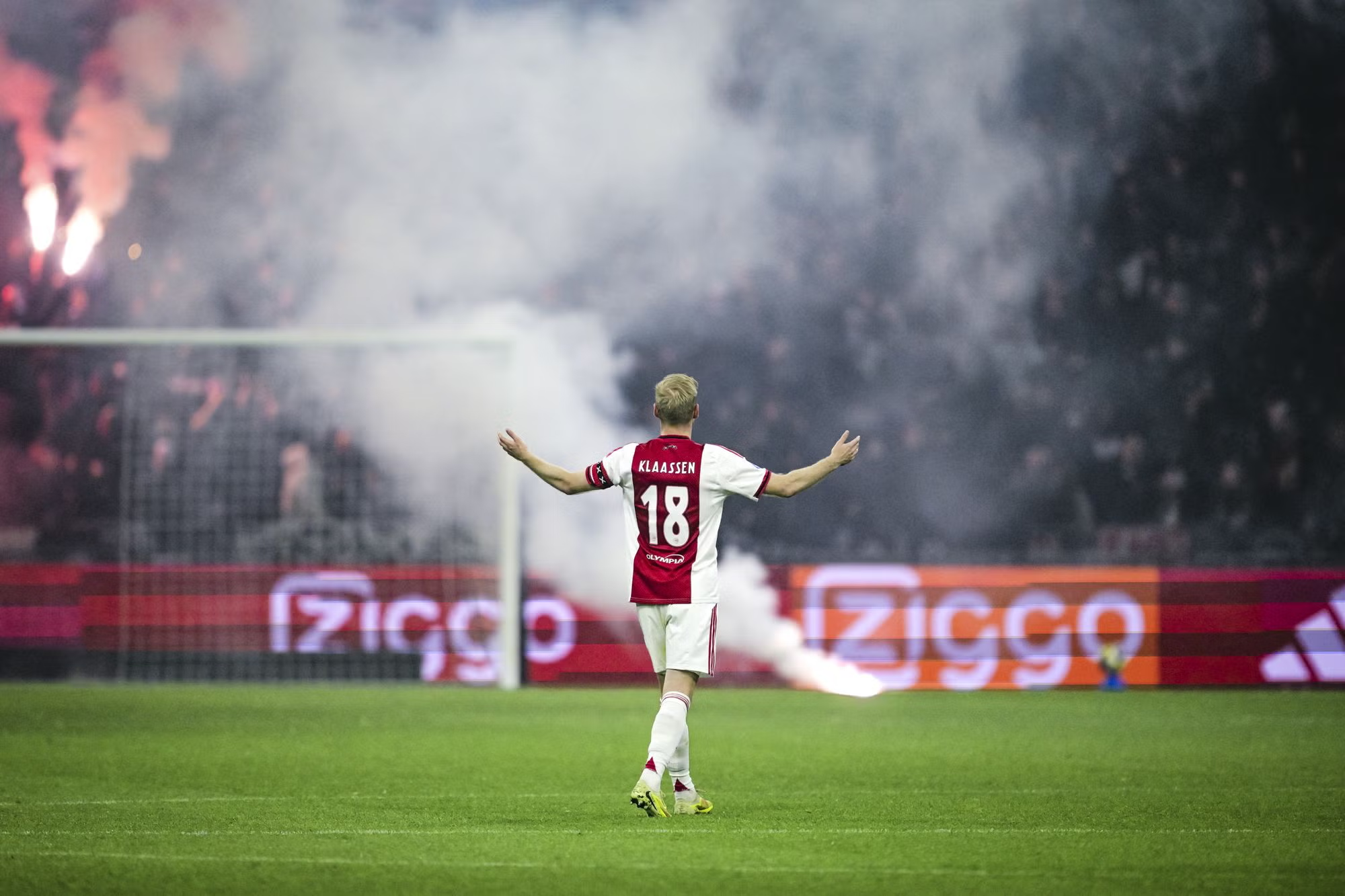 >
>
It’s important to avoid painting all fans with the same brush. The vast majority attend games to support their team peacefully. Yet, a small, disruptive faction can ruin it for everyone. These aren’t isolated incidents. They are part of a worrying trend where extreme displays – often fueled by social media hype and a desire for attention – overshadow the actual sport. Think about the pitch invasions we’ve seen escalating globally.
This challenge demands a multi-pronged approach. You can’t just rely on beefing up security at the gates. That’s playing whack-a-mole. Instead, clubs should engage in more proactive fan education, fostering a culture where such actions are seen as harmful, not heroic. This means working with fan groups, and influencers, and using social media to promote responsible behavior.
Yet, let’s also be realistic. No amount of education will sway everyone. Stricter punishments are necessary. Not just stadium bans, but also potential legal consequences for those endangering others. The key is to make the consequences outweigh the perceived rewards of disruptive behavior.>
Consider the financial ramifications. An abandoned game is a revenue loss. Sponsors get jittery. The team’s reputation takes a hit. Fans who traveled to the stadium feel cheated. Then there are the potential costs related to injuries caused by such antics. The financial burden falls squarely on the club. Insurance coverage becomes an issue.
It’s worth noting that the move to replay the game behind closed doors, while necessary, punishes the law-abiding fans. It creates a lose-lose situation. It also potentially emboldens those responsible by handing them what they wanted: attention.
The article touches on the club’s announcement to identify and punish offenders. However, identifying these individuals in a crowded stadium is a significant hurdle. Video surveillance is improving, but it’s not foolproof. A comprehensive strategy involving improved technology and well-trained security personnel will be beneficial.
What about the role of social media? Aren’t these incidents often glorified online? Platforms could take a more active stance against the propagation of harmful content that incites stadium disturbances. If you add warnings to such content, it may reduce the desire to glorify the bad acts.
Given these facts, one also wonders about the quality of security personnel and their training. Are they adequately equipped to handle these situations? Are they trained to de-escalate tensions rather than exacerbate them? Are they simply going through the motions?
This requires a deeper look at the security firms hired by these clubs. Are they the best choice? Do they prioritize profit over safety? Are background checks thorough enough? The answers to these questions are likely far more telling than any official statement released after an incident.
It also raises questions about the balance between creating a vibrant atmosphere and maintaining control. European football prides itself on passionate supporters, often creating spectacular visual displays. There’s a fine line between that and outright anarchy. The trick is finding a way to channel that energy positively.
I’ve seen this cycle repeat itself. A high-profile incident, followed by condemnation, promises of stricter measures, and then… relative quiet until the next incident. Sustainable solutions require continuous effort, proactive thinking, and a willingness to adapt to ever-evolving challenges.
This isn’t just an Ajax problem, or even a football problem. It’s a broader issue facing any organization that relies on large gatherings of passionate people. Concerts, festivals, political rallies – all are vulnerable. Understanding the underlying motivations and developing comprehensive strategies to mitigate risks is critical to ensuring safety and maintaining the integrity of the event. Otherwise, prepare for history to keep repeating itself, with each incident feeling a little more predictable than the last. This, in turn, devalues the sports and discourages viewership.

![[post_title]](https://samony.com.ng/wp-content/uploads/2025/12/1764582533_How-Much-Should-You-Have-In-A-529-Plan-By-300x157.jpg?lm=692D6488 "529 Plan Savings: A Realistic College Funding Strategy")
![[post_title]](https://samony.com.ng/wp-content/uploads/2025/12/Women-shouldnt-be-giving-birth-pregnancy-and-delivery-are-risky-300x162.jpg?lm=692D6088 "Is Surrogacy the Answer? A Fiery Debate Divides Feminists")
![[post_title]](https://samony.com.ng/wp-content/uploads/2025/12/1764581606_Up-to-45-off-AirPods-every-AirPods-Pro-3-AirPods-300x169.jpg?lm=692D60E9 "Cyber Monday AirPods: Price Check and Buying Guide")
![[post_title]](https://samony.com.ng/wp-content/uploads/2025/12/Immigration-launches-response-after-attack-on-Kebbi-border-post-300x171.jpg?lm=692D5B33 "Nigeria Immigration Attack Exposes Border Security Flaws")

![[post_title]](https://samony.com.ng/wp-content/uploads/2025/12/If-You-Are-A-Christian-In-Nigeria-And-You-Say-300x222.jpeg?lm=692D5BC1 "Nigeria Christian Persecution Claims Examined: Kukah Urges Caution")

![[post_title]](https://samony.com.ng/wp-content/uploads/2025/12/1764582423_This-Week-in-History-1-7-December-1024x683.jpeg?lm=692D641C "History’s Echo: Are We Really Learning, or Just Repeating It All?")
![[post_title]](https://samony.com.ng/wp-content/uploads/2025/12/1764582533_How-Much-Should-You-Have-In-A-529-Plan-By-1024x536.jpg?lm=692D6488 "529 Plan Savings: A Realistic College Funding Strategy")
![[post_title]](https://samony.com.ng/wp-content/uploads/2025/12/Women-shouldnt-be-giving-birth-pregnancy-and-delivery-are-risky-1024x555.jpg?lm=692D6088 "Is Surrogacy the Answer? A Fiery Debate Divides Feminists")
