


Senator Bernie Sanders has issued a stark warning regarding the rapid, unregulated expansion of artificial intelligence, calling for a pause in its development and demanding serious congressional debate on its profound societal implications. Speaking on CNN, the Vermont independent senator expressed deep concerns about the potential for widespread job displacement and significant economic disruption, arguing that current legislative efforts fail to address the technology’s most critical challenges. He highlighted the urgent need for a national dialogue on AI’s future, stressing its unprecedented impact on humanity.
Sanders directly questioned the motivations of prominent tech figures like Elon Musk, Mark Zuckerberg, Jeff Bezos, and Peter Thiel, suggesting their focus on AI development prioritizes personal enrichment over the welfare of American workers. He underscored the grim predictions from industry leaders that AI could render many jobs obsolete, making work “optional” for a large segment of the population. The senator challenged how individuals and families would secure income in a future where human labor is less needed, quoting Bill Gates’s projection that people “won’t be needed for most things.”
These warnings are bolstered by recent academic research projecting substantial job losses due to AI adoption. A study from the Massachusetts Institute of Technology (MIT) this year theorized that over 11 percent of existing U.S. labor market positions could be replaced or made obsolete by AI, particularly in sectors like healthcare and finance, affecting human resources and logistics roles. Similarly, in the United Kingdom, the National Foundation for Educational Research reported in November that up to three million jobs could be at risk within the next decade.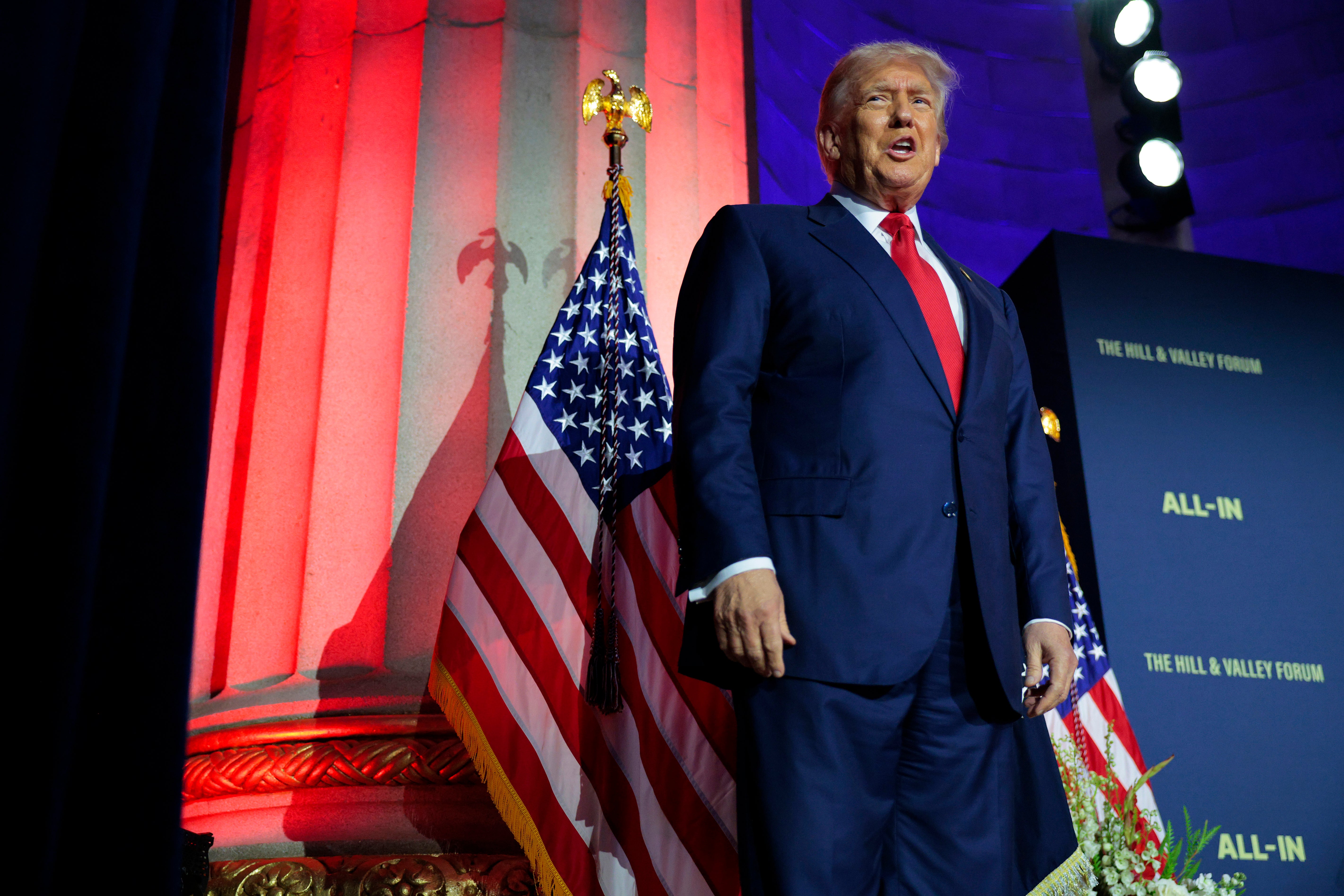
Despite these growing concerns, the Republican-held Congress spent parts of 2025 debating legislation aimed at banning state-level regulation of artificial intelligence. This legislative push, strongly supported by then-President Donald Trump, seeks to centralize regulatory authority at the federal level, effectively limiting states’ ability to impose their own restrictions on AI development or use. Progressives like Sanders, however, advocate for states retaining the freedom to implement specific AI safeguards, including those related to content.
Beyond job security, Sanders and other critics have pointed to the significant environmental and economic costs associated with AI’s physical infrastructure. The proliferation of AI data centers demands enormous amounts of electricity, with some observers attributing rising energy costs in surrounding communities to their intensive operational needs. This resource burden adds another layer of complexity to the unregulated expansion of the technology, prompting calls for greater scrutiny of its broader impact.
The social and psychological effects of AI, particularly on younger generations, also form a critical part of Sanders’ argument. He raised alarms about the increasing reliance of young people on AI chatbots for emotional support, citing a study indicating that one in eight American teens had turned to these AI tools for such interaction. Sanders questioned the long-term implications for humanity if individuals increasingly derive emotional connection and support from machines rather than other human beings, describing the “science-fiction fear of AI running the world” as not so outrageous.
Other progressive voices in Congress have echoed Sanders’ dire warnings. Representative Alexandria Ocasio-Cortez, during a House panel examination of AI chatbots in November, likened the rapid, unchecked growth of AI to a “massive economic bubble.” She cautioned that depending on the exposure of this bubble, the nation could face “2008-style threats to economic stability,” underscoring the potential for a systemic crisis if AI development proceeds without adequate oversight and regulation.
In contrast to these calls for caution and state-level flexibility, then-President Trump issued an executive order in mid-December, reiterating his demand for Congress to ban state AI regulation. His order vowed to “check” any state laws perceived as challenging federal authority or hindering AI development. Trump articulated a vision for a “minimally burdensome national standard” to prevent “50 discordant State ones,” asserting that such a framework would ensure the United States “wins the AI race” while also safeguarding children, preventing censorship, respecting copyrights, and protecting communities.
The divergent approaches from progressive lawmakers and the previous administration highlight a deep chasm in the national strategy for governing artificial intelligence. On one side are urgent calls for a moratorium or significant regulation to mitigate potential job losses, environmental strain, and social fragmentation. On the other, a push for a unified national framework designed to accelerate innovation and maintain a competitive edge, albeit with stated protections. The lack of a comprehensive, bipartisan consensus leaves the future trajectory of this transformative technology in a precarious state.







![[post_title]](https://samony.com.ng/wp-content/uploads/2025/12/1766969048_NASCAR-US-NASCAR-Kenny-Wallace-sounds-off-on-NASCARs-past-1024x576.jpeg?lm=6951CEDB "NASCAR’s Future: Kenny Wallace Urges Fan-Centric Course Correction")


