

![[post_title]](https://samony.com.ng/wp-content/uploads/2025/11/1764044377_BBC-show-Grange-Hill-to-return-after-17-years-but-1024x538.jpg?lm=69252E5B)
Grange Hill Reboot: A Critical Look at Nostalgia vs. Relevance in Children’s TV
The rumor mill is swirling: Grange Hill, the iconic BBC school drama, might be coming back after a 17-year hiatus. For those who grew up with Tucker Jenkins and Zammo McGuire, this news triggers a wave of nostalgia. Yet, insiders are already hinting that the reboot will “feel different,” aiming to resonate with today’s Gen Alpha viewers. The question is, can Grange Hill recapture its magic while tackling contemporary issues, or will it lose its essence in the process?
Grange Hill’s original run was defined by its willingness to confront tough topics. From heroin addiction to teenage pregnancy, the show mirrored the anxieties and realities of its young audience. It was never afraid to push boundaries, sparking conversations and, at times, controversy.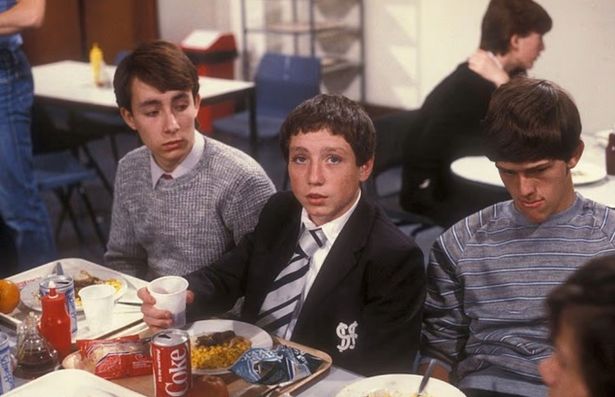 >
>
Now, the landscape of childhood has drastically changed. Issues like online bullying, gender identity, and mental health dominate the headlines and the lives of young people. A reboot of Grange Hill has the potential to explore these complex themes with nuance and sensitivity. The potential exists to offer a platform for diverse voices and experiences, fostering understanding and empathy among its viewers.
However, there’s a tightrope to walk. Updating Grange Hill for a new generation carries the risk of alienating its original fanbase. Can the show retain its gritty realism while addressing topics that might feel unfamiliar or even divisive to older viewers? Will it become preachy or didactic, losing the authentic voice that made it so compelling in the first place?
It’s worth noting that reboots often struggle to capture the spirit of the original. The entertainment industry is littered with examples of beloved shows that were resurrected only to disappoint. The challenge lies in balancing reverence for the past with a willingness to innovate and adapt to the present.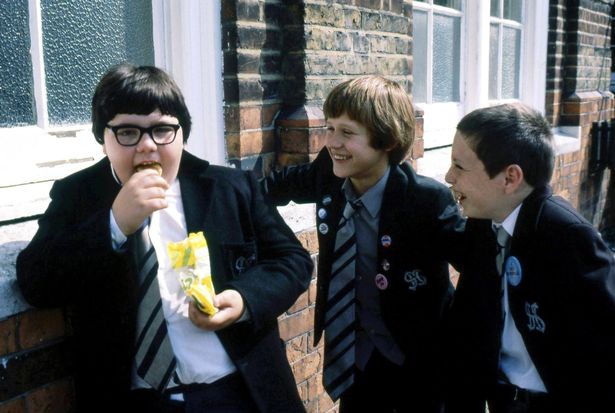 >
>
The success of a Grange Hill reboot hinges on several factors. First, the writing needs to be sharp, insightful, and authentic. The show must avoid simplistic portrayals of complex issues, instead opting for nuanced storytelling that reflects the diversity of lived experiences. Second, the casting will be crucial. The new cast of characters must be relatable and believable, capturing the energy and spirit of today’s youth.
Furthermore, the production team needs to understand the sensibilities of a modern audience. Attention spans are shorter, and viewers are accustomed to high-quality visuals and fast-paced narratives. Grange Hill cannot simply replicate the style of the original; it must evolve its aesthetic to appeal to contemporary tastes.
My own experience with television reboots has taught me that nostalgia is a powerful, but unreliable, force. While it can draw viewers in initially, it’s not enough to sustain long-term interest. The reboot must offer something new, something relevant, something that speaks to the present moment.
A relevant question emerges: Is there even a place for Grange Hill in today’s crowded media landscape? Children now have access to a vast array of entertainment options, from streaming services to social media. Can a traditional television show compete with the personalized, on-demand content that dominates their lives?
Given these facts, the BBC faces a considerable task. They must create a show that honors the legacy of Grange Hill while also engaging a new generation of viewers. It’s a delicate balancing act that requires creativity, sensitivity, and a deep understanding of the challenges and opportunities facing young people today.
It is not clear what the BBC is likely to do. Still, perhaps a fresh Grange Hill can make a positive contribution to the lives of young people. After all, if done right, it could be a platform for dialogue, a source of comfort, and a mirror reflecting their own experiences back at them. The entertainment industry needs more shows that tackle real issues, that encourage empathy, and that empower young people to navigate the complexities of the world around them. It’s a tall order.

![[post_title]](https://samony.com.ng/wp-content/uploads/2025/12/US-F-16-Pilot-Dodged-Missiles-With-Extreme-High-G-Turns-for-300x150.webp?lm=692FB501 "This Pilot Survived 15 Minutes of Missile Fire – Here’s What It Reveals About Modern Air Combat")
![[post_title]](https://samony.com.ng/wp-content/uploads/2025/12/Over-200-swing-for-honours-in-Obaseki-@-80-tourney-300x205.jpg?lm=692FB36F "Over 200 swing for honours in Obaseki @ 80 tourney :")
![[post_title]](https://samony.com.ng/wp-content/uploads/2025/12/Birth-Control-Types-How-to-Choose-300x169.jpg?lm=692FAE39 "Birth Control Types: How to Choose")

![[post_title]](https://samony.com.ng/wp-content/uploads/2025/12/How-Emerging-Markets-Rely-On-Cryptocurrency-To-Fiat-Access-300x201.jpg?lm=692FA152 "Emerging Markets Embrace Crypto-Fiat for Financial Inclusion")
![[post_title]](https://samony.com.ng/wp-content/uploads/2025/12/Alleged-Christian-Genocide-in-Nigeria-US-lawmakers-disagree-with-FG-300x172.png?lm=692F9B5A "Nigeria’s Christian Genocide Claims: Are US Lawmakers Seeing the Full Picture?")

![[post_title]](https://samony.com.ng/wp-content/uploads/2025/12/Senate-Reveals-Date-To-Screen-Defence-Minister-Nominee.jpg?lm=692FB814 "Defense Minister Screening: Beyond Politics, Prioritizing Nigeria’s Security Imperatives")
![[post_title]](https://samony.com.ng/wp-content/uploads/2025/12/1764734475_Tennessee-nail-biter-sees-Republican-Van-Epps-hold-House-seat-as-1024x683.jpg?lm=692FB60E "Tennessee’s Narrow Victory: Gauging the True Republican Heartland")
![[post_title]](https://samony.com.ng/wp-content/uploads/2025/12/US-F-16-Pilot-Dodged-Missiles-With-Extreme-High-G-Turns-for-1024x512.webp?lm=692FB502 "This Pilot Survived 15 Minutes of Missile Fire – Here’s What It Reveals About Modern Air Combat")
![[post_title]](https://samony.com.ng/wp-content/uploads/2025/12/Over-200-swing-for-honours-in-Obaseki-@-80-tourney.jpg?lm=692FB36E "Over 200 swing for honours in Obaseki @ 80 tourney :")
