

![[post_title]](https://samony.com.ng/wp-content/uploads/2025/12/1764576654_BBC-programmes-abruptly-taken-off-air-as-staff-flee-after-1024x538.jpg?lm=692D4D90)
BBC Scotland Fire: A Wake-Up Call for Media Resilience?
The news of a fire disrupting BBC Scotland’s broadcasts is a stark reminder of the vulnerabilities inherent in the 24/7 media landscape. Seeing reports of staff evacuations and programming interruptions at Pacific Quay brings back memories of similar incidents; a reminder that even the most established institutions aren’t immune to unforeseen events.
The Daily Star reports that a fire in a plant room forced the evacuation of the Glasgow headquarters, halting live broadcasts like BBC Radio Scotland Breakfast and breakfast television bulletins. The immediate response – switching to pre-recorded music and simulcasting Radio 5 Live – speaks to the contingency plans in place. Still, it raises a larger question: are media organizations truly prepared for disruptions in an era defined by instant information and relentless demand?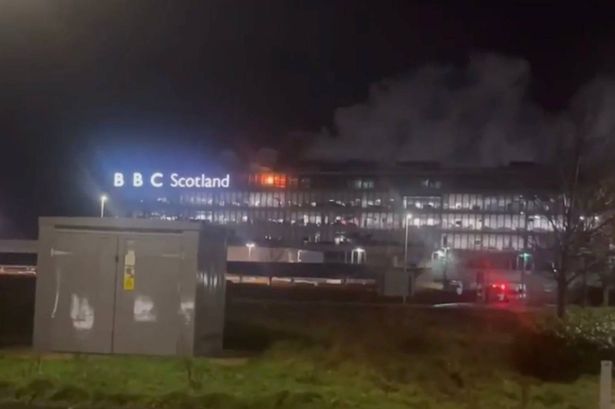 >
>
Initial reports point to the fire originating in a plant room, a detail that might seem mundane, yet it’s crucial. These rooms, often overlooked, house critical infrastructure. Their failure can trigger a cascade of problems. It serves as a potent warning: system redundancy and robust safety protocols are essential, not optional.
The BBC’s statement, “We’re working hard to ensure the safety of all of our colleagues and will restore our regular services on-air as soon as we can,” is standard fare. It’s what you’d expect. How swiftly they return to normal operations will be the true test. The public, accustomed to seamless service, has little patience for extended outages.
The reliance on traditional broadcast methods, exemplified by a central headquarters, presents an inherent weakness. In an always-on digital world, maybe the industry needs to adopt a more decentralized, cloud-based model. What I’m driving at is the need for solutions that aren’t just backups, but fundamental shifts in how news is gathered and distributed.>
Consider the implications: could remote production workflows, already accelerated by recent events, offer a more resilient alternative? Could distributed teams, leveraging cloud-based editing and broadcasting tools, minimize the impact of a localized crisis? Food for thought indeed.
It’s worth noting the speed with which news of the incident spread online, amplified by social media. That’s the double-edged sword of instant communication. The public expects immediate updates. Traditional media outlets are now competing with citizen journalists and social media feeds, increasing the pressure to resume broadcasting quickly and accurately.
This challenge highlights the evolving role of news organizations. They’re not just disseminators of information. Now they also manage crises, combat misinformation, and maintain public trust in real-time. This demands a level of preparedness that extends far beyond traditional business continuity planning.
Given these facts, investment in comprehensive risk assessment and mitigation is no longer a luxury. These kinds of situations are becoming essential for media companies seeking to maintain their competitive edge. This includes not just physical security, but also cybersecurity, disaster recovery, and crisis communication protocols.
The fire at BBC Scotland serves as a case study. It underscores the fragility of even well-established media operations. This incident should prompt a serious industry-wide reevaluation of resilience strategies. The ability to adapt and continue broadcasting in the face of adversity is crucial. It’s not just about minimizing downtime. It’s about preserving the public’s right to information, and the media’s vital role in a functioning democracy.
From my perspective, this event isn’t just a local fire. It’s a flashing light signaling a larger shift. It highlights the increasing pressure on media organizations to be agile, robust, and relentlessly innovative in the face of an uncertain future. The BBC’s response will be a blueprint for others. It demonstrates how to weather the storm and emerge stronger than before. Let’s hope they use the lessons learned to create a more fire-resistant future for news.

![[post_title]](https://samony.com.ng/wp-content/uploads/2025/12/Ive-Seen-Corruption-In-This-Budget-Ayodele-Breaks-Silence-Reveals-What-300x200.jpeg?lm=692D4D67 "Nigeria Budget: Prophecy or Politics Fueling Corruption Fears?")
![[post_title]](https://samony.com.ng/wp-content/uploads/2025/12/1764576654_BBC-programmes-abruptly-taken-off-air-as-staff-flee-after-300x158.jpg?lm=692D4D8F "BBC Scotland Fire: What It Really Means for the Future of News")

![[post_title]](https://samony.com.ng/wp-content/uploads/2025/12/Mr-PresidentNorth-Is-BleedingI-Toured-Entire-CountryI-Just-Finished-Tour-300x200.jpeg?lm=692D462E "Northern Nigeria Insecurity: Beyond Military Might, Rebuilding Trust and Opportunity")
![[post_title]](https://samony.com.ng/wp-content/uploads/2025/12/1764574906_My-lover-promised-me-hed-stopped-sleeping-with-his-wife-300x158.jpg?lm=692D46BB "Decoding Modern Relationship Patterns: Lessons from the Advice Column Front Lines")
![[post_title]](https://samony.com.ng/wp-content/uploads/2025/12/1764575847_Aitana-Bonmati-breaks-leg-in-training-as-Spain-dealt-huge-300x200.jpeg?lm=692D4A68 "Aitana Bonmati Injury: Exposing the Demands and Future of Women’s Football")

![[post_title]](https://samony.com.ng/wp-content/uploads/2025/12/US-asylum-seekers-Trump-stop-all-asylum-claim-decision-afta.jpg?lm=692D4CC5 "Trump’s Asylum Policy: Crisis and Control")
![[post_title]](https://samony.com.ng/wp-content/uploads/2025/12/1764576532_I-woke-up-naked-in-the-desert-and-survived-for-1024x538.jpg?lm=692D4D14 "Ricky Megee’s Outback Survival: Fact, Fiction, and the Human Resilience Industry")
![[post_title]](https://samony.com.ng/wp-content/uploads/2025/12/Ive-Seen-Corruption-In-This-Budget-Ayodele-Breaks-Silence-Reveals-What.jpeg?lm=692D4D66 "Nigeria Budget: Prophecy or Politics Fueling Corruption Fears?")
