

![[post_title]](https://samony.com.ng/wp-content/uploads/2025/11/1763894885_Bauchi-communities-struggle-to-access-healthcare-as-govt-fiddles-with.jpeg?lm=6922E665)
Healthcare Crisis in Bauchi: Are Misplaced Priorities Killing Communities?
Reports of struggling healthcare in Bauchi State paint a distressing picture. We’re hearing stories of families trekking long distances, only to find health centers understaffed, under-equipped, or even closed. It makes you wonder: where exactly are the healthcare funds going?
This isn’t some abstract policy debate; it’s about real people like Hannatu Sabiu, desperately seeking care for her grandson. You’ve got communities grappling with outbreaks of preventable diseases like Cholera, Measles, and Lassa Fever. These aren’t new problems. Yet, they stubbornly persist, taking a particularly harsh toll on children. >
>
The numbers themselves are stark. Bauchi’s under-five mortality rate significantly exceeds the national average. A recent study even revealed that many Community Health Workers lack a solid understanding of these very diseases they’re supposed to combat. It sounds like the frontline troops are ill-equipped.
There’s a disturbing undercurrent to this crisis: a severe manpower shortage. Reports highlight health centers relying heavily on untrained volunteers, sometimes more than actual employed professionals. We hear stories of women enduring traumatic births, attended to by inexperienced trainees, or worse, losing their lives due to inadequate care. You can’t help but ask, what kind of a system depends on hope and goodwill instead of trained medical staff?
It’s not just about personnel. Even basic resources are scarce. Imagine a general hospital without oxygen! It’s like sending soldiers to war without ammunition. People in need of specialized care face a 44-kilometer journey to the state capital. That’s a life-threatening delay for many.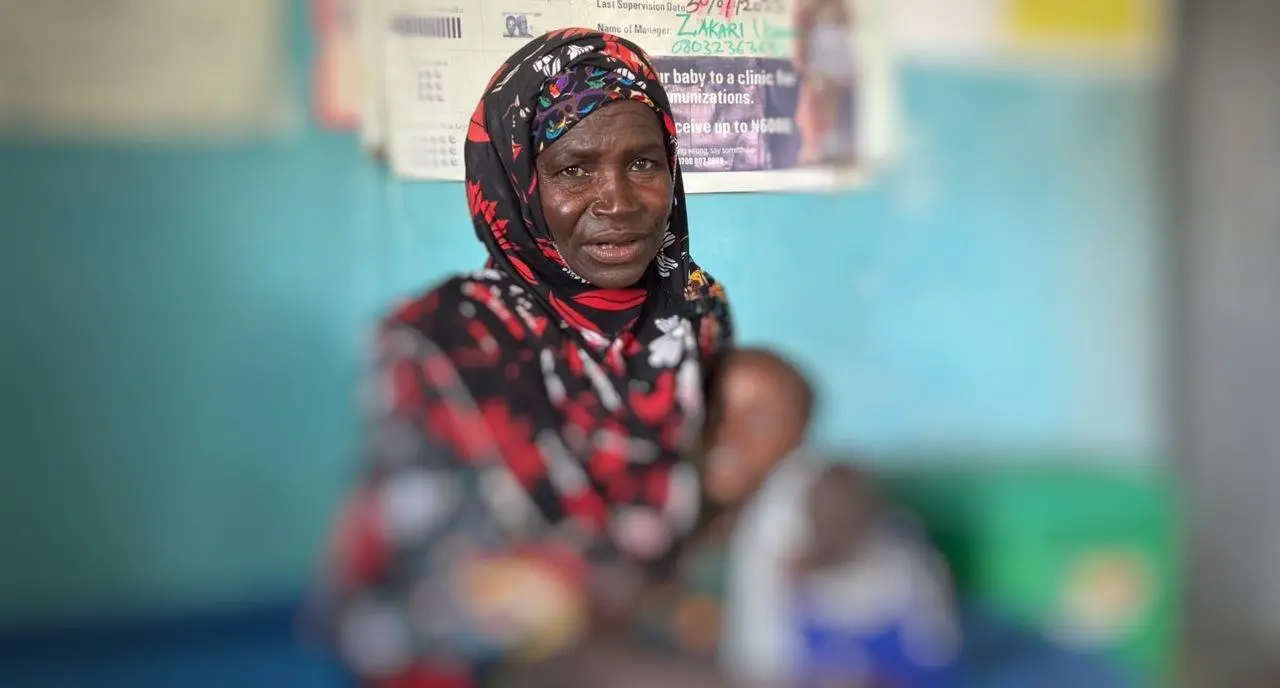 >
>
Now, the government isn’t entirely oblivious. There are initiatives to renovate PHCs, often with the help of organizations like the World Bank and UNFPA. Fine, but renovations alone don’t solve the core issues. You can have shiny new buildings, but without qualified staff, those buildings become empty promises.
What’s genuinely frustrating is the apparent disconnect between healthcare needs and government spending priorities. Just this year, the governor approved billions for the renovation of the State House of Assembly complex. Last year, an even larger sum went towards upgrading the Government House. It prompts a serious question: Is this prioritizing infrastructure over human lives?
Communities themselves are left in limbo. In Kafin Zaki, the local health center has been non-functional for years. The village head says their pleas have been ignored. In Bakutumbe, residents are literally stockpiling sand, hoping to donate it when, or if, the government decides to build a health center. The fact that communities are resorting to these measures speaks volumes about their desperation and distrust.
There’s a feeling of déjà vu here. I’ve seen similar patterns play out in other regions, where funding flows to projects that offer immediate visibility rather than addressing fundamental needs. It’s politically expedient, but devastating for public health.
For Bauchi to genuinely address its healthcare crisis, some hard decisions need to happen. Throwing money at renovations is a start, but it’s not enough. The government needs to:
Prioritize hiring and retaining qualified healthcare professionals, especially in rural areas. This means offering competitive salaries, providing decent housing, and creating supportive work environments. Invest in comprehensive training for community health workers, ensuring they have the knowledge and skills to effectively manage prevalent diseases. Ensure adequate supplies of essential medicines and equipment at all health facilities. This includes oxygen, diagnostic tools, and basic emergency care supplies. Improve transparency and accountability in healthcare spending, making sure funds are used efficiently and effectively. Listen to the needs of the communities, involving them in the planning and implementation of healthcare programs.
It’s not a quick fix, and it requires a fundamental shift in priorities. Perhaps the focus needs to be on measurable health outcomes rather than grand infrastructural projects.
Until then, the tragic stories from Bauchi will likely continue.


![[post_title]](https://samony.com.ng/wp-content/uploads/2025/12/Agbakoba-writes-minister-recommends-implementation-frameworks.webp-300x225.webp?lm=692CDF03 "Nigeria’s Marine Economy: A Trillion-Naira Dream?")
![[post_title]](https://samony.com.ng/wp-content/uploads/2025/12/1764547830_Gov-Radda-commissions-Jargaba-Primary-Health-Facility-300x200.jpeg?lm=692CDCFA "Katsina Healthcare: Progress or Promise? Analyzing New Investments")

![[post_title]](https://samony.com.ng/wp-content/uploads/2025/12/1764546440_Mothers-anguish-after-her-three-young-children-die-in-Thanksgiving-300x200.png?lm=692CD78C "Thanksgiving Nightmare: Could This Fire Tragedy Have Been Prevented?")
![[post_title]](https://samony.com.ng/wp-content/uploads/2025/12/Insecurity-Bandits-unleash-terror-in-Kogi-Kano-Sokoto-Kwara-300x148.png?lm=692CD7C8 "Nigeria Under Siege: Bandits’ Bold Attacks Demand Urgent Action")

![[post_title]](https://samony.com.ng/wp-content/uploads/2025/12/Our-favorite-laptops-from-Apple-Razer-HP-and-others-are-1024x532.jpg?lm=692CDBDB "Cyber Monday Laptop Deals: Separating Hype from Hardware Value")
![[post_title]](https://samony.com.ng/wp-content/uploads/2025/12/Paramilitary-Recruitment-List-to-Be-Released-December-1.jpg?lm=692CDE70 "Nigeria Paramilitary Recruitment 2025: Selection Phase Begins")
![[post_title]](https://samony.com.ng/wp-content/uploads/2025/12/Agbakoba-writes-minister-recommends-implementation-frameworks.webp-1024x768.webp?lm=692CDF03 "Nigeria’s Marine Economy: A Trillion-Naira Dream?")
