

![[post_title]](https://samony.com.ng/wp-content/uploads/2025/12/1765044065_Ex-Jehovah-Witness-member-shares-what-happens-to-any-member-who-1024x512.jpeg?lm=69346F64)
Jehovah’s Witnesses and Blood Transfusions: A Critical Look at Faith, Freedom, and Healthcare
The controversy surrounding Jehovah’s Witnesses and their stance on blood transfusions continues to spark intense debate. Recent accounts from former members, like the one circulating about a woman identified as @carrotxbt, paint a stark picture of the consequences faced by those who accept blood transfusions, highlighting the challenges of balancing religious beliefs with individual autonomy and healthcare decisions. But is the narrative as simple as it seems?
The core issue revolves around the Witnesses’ interpretation of biblical passages, specifically those concerning blood. This interpretation leads them to refuse blood transfusions, even in life-threatening situations. It’s worth noting this isn’t a new development. This practice has been a part of their doctrine for decades, raising recurring ethical and legal questions.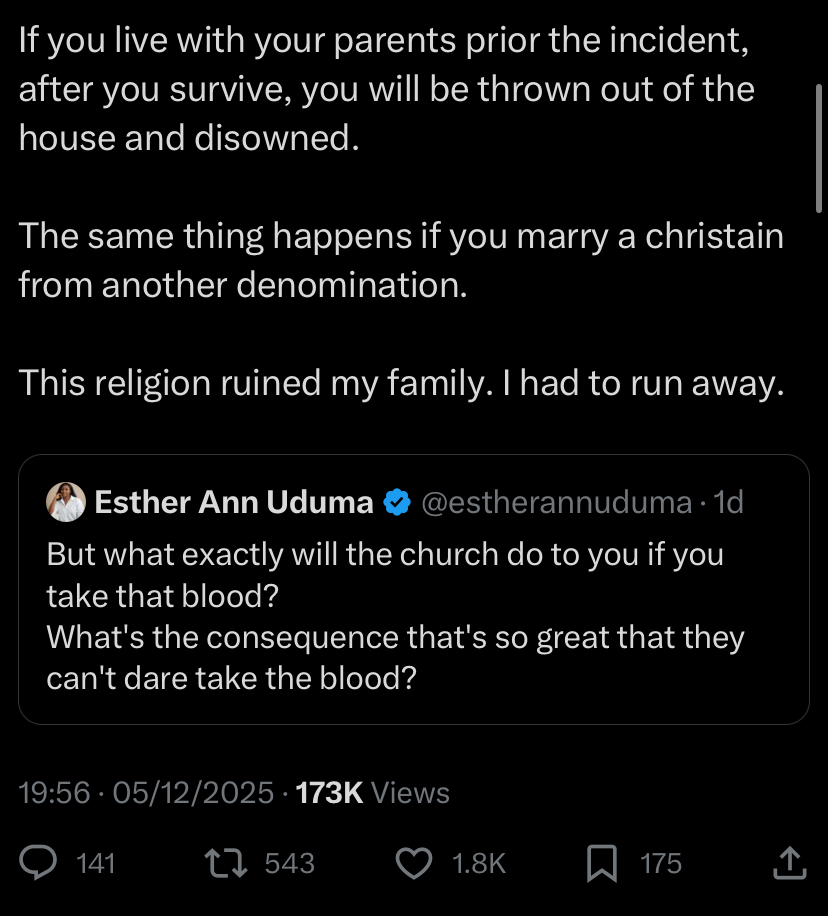 >
>
What @carrotxbt describes – carrying a card refusing blood transfusions – underscores the deep commitment demanded of followers. The potential for disfellowshipping, social isolation, and even familial rejection adds layers of complexity. These stories can be jarring, triggering strong reactions about religious freedom versus individual rights.
However, there are other angles to consider. The Jehovah’s Witness community often provides strong social support networks. For some, the sense of belonging and shared belief outweighs the potential consequences of adhering to the faith’s doctrines. This isn’t about excusing what some perceive as harmful practices, but rather acknowledging the diverse experiences within the community.
One key aspect often overlooked is the evolving medical landscape. Over the years, advancements in bloodless medicine and surgery have offered alternative treatment options. Jehovah’s Witnesses actively seek out these alternatives, and some medical professionals have adapted their practices to accommodate these preferences. This demonstrates a dynamic interplay between religious beliefs and medical innovation.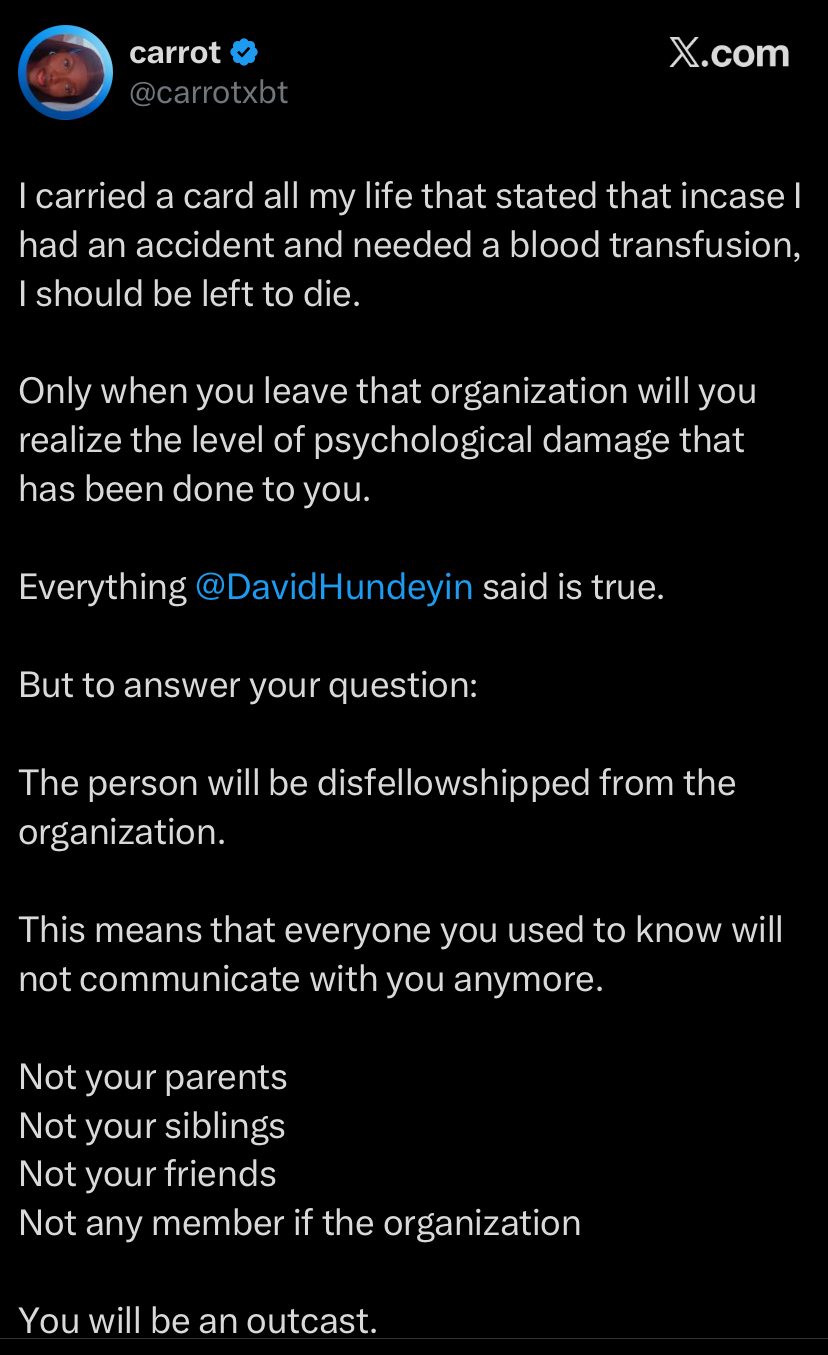 >
>
Still, these alternatives aren’t always feasible or available, presenting tough choices for patients and their families. The ethical dilemma intensifies when children are involved, forcing courts to sometimes intervene to ensure a child receives necessary medical care, even against the parents’ wishes. These cases are heart-wrenching, exposing the tension between parental rights, religious freedom, and the well-being of a minor.
Recent cases, such as the story of Aunty Esther who reportedly declined a blood transfusion while battling cancer, fuel further discussion. These situations are deeply personal and should be approached with empathy and respect. However, they also highlight the need for open conversations about informed consent, the right to refuse medical treatment, and the potential influence of religious beliefs on healthcare decisions.
The narrative of “victimization” may dominate discussions, but individual experiences within the Jehovah’s Witness community are nuanced. Some members might fully embrace the faith’s teachings and accept the consequences of their choices. Others might grapple with doubt, struggling to reconcile their beliefs with the realities of life and death. It’s essential to avoid broad generalizations and acknowledge the spectrum of experiences.
What I’ve observed over time is that these situations often expose deeper societal anxieties about religious freedom, autonomy, and the role of faith in healthcare. The issue extends beyond the specific case of Jehovah’s Witnesses and blood transfusions. It compels us to confront fundamental questions about the limits of religious freedom and the responsibilities of individuals, communities, and the state in safeguarding individual well-being.
To that end, open and respectful dialogue is vital. Dismissing the issue as mere “religious fanaticism” is overly simplistic. We must delve into the complexities of belief systems, individual experiences, and ethical considerations to navigate these challenges effectively. It demands understanding, empathy, and a commitment to protecting both religious freedom and individual autonomy. It is possible to have religious views while still acting in your own best interest.
This challenge calls for more research into the long-term psychological effects of disfellowshipping and social isolation. It also necessitates better education for healthcare professionals about the beliefs and practices of Jehovah’s Witnesses, empowering them to provide culturally sensitive and medically sound care.
It’s worth noting that legal precedents regarding religious freedom and medical decision-making are constantly evolving. Courts often grapple with these complex cases, seeking to strike a balance between protecting individual rights and ensuring the safety and well-being of vulnerable individuals.
This discussion also underscores the critical need for advance care planning. Encouraging individuals to articulate their healthcare preferences in advance, through documents like living wills and healthcare proxies, can help prevent conflicts and ensure that their wishes are respected, regardless of their religious beliefs.
Given these facts, promoting understanding, fostering open dialogue, and advocating for informed decision-making are vital steps in navigating the complex intersection of faith, freedom, and healthcare. Only then can we strive for a society that respects diverse beliefs while upholding the rights and well-being of all individuals.




![[post_title]](https://samony.com.ng/wp-content/uploads/2025/12/What-it-means-that-the-FDA-claims-Covid-vaccines-caused-300x200.jpg?lm=693467EE "Is the FDA About to Change Vaccine Rules Based on Unproven Claims?")
![[post_title]](https://samony.com.ng/wp-content/uploads/2025/12/Cleric-condemns-abduction-of-worshippers-in-Kogi-300x233.jpg?lm=69346875 "Kogi Church Abduction: Gauging the Tipping Point for Religious Security in Nigeria")
![[post_title]](https://samony.com.ng/wp-content/uploads/2025/12/1765042298_Katie-Prices-family-deeply-concerned-after-star-shares-alarming-health-300x158.jpg?lm=6934687D "Celebrity Health Cycles: Decoding Addiction, Vaping, and the Path to Lasting Change")

![[post_title]](https://samony.com.ng/wp-content/uploads/2025/12/Real-Betis-vs-Barcelona-LIVE-Spanish-La-Liga-score-stats-1024x576.jpg?lm=69346F11 "Rashford & Antony: Are Failed Transfers Ruining Football’s Soul?")
