

Analyzing Political Rhetoric: Atiku, APC, and the State of Nigerian Governance
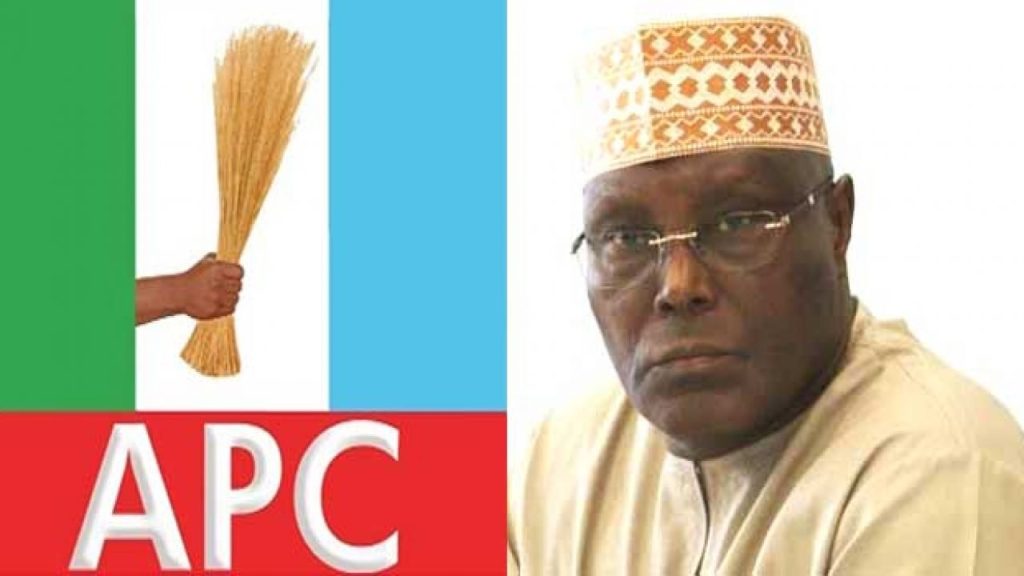
Political discourse in Nigeria rarely lacks spice, and the recent exchange between Atiku Abubakar and the All Progressives Congress (APC) is a prime example. The headline grabbing phrase, “A Man Defined By Desperation Is In Villa Struggling To Govern,” definitely catches the eye. But let’s dig a little deeper than the surface-level political jabs.
This isn’t just about name-calling. It highlights a deeper issue: the ongoing debate about the effectiveness and legitimacy of the current administration. Atiku’s statement, as reported, criticizes the APC’s governance, alleging a struggle to govern. The APC, in response, seems to dismiss Atiku’s relevance, framing his career as one driven by “constant desperation.”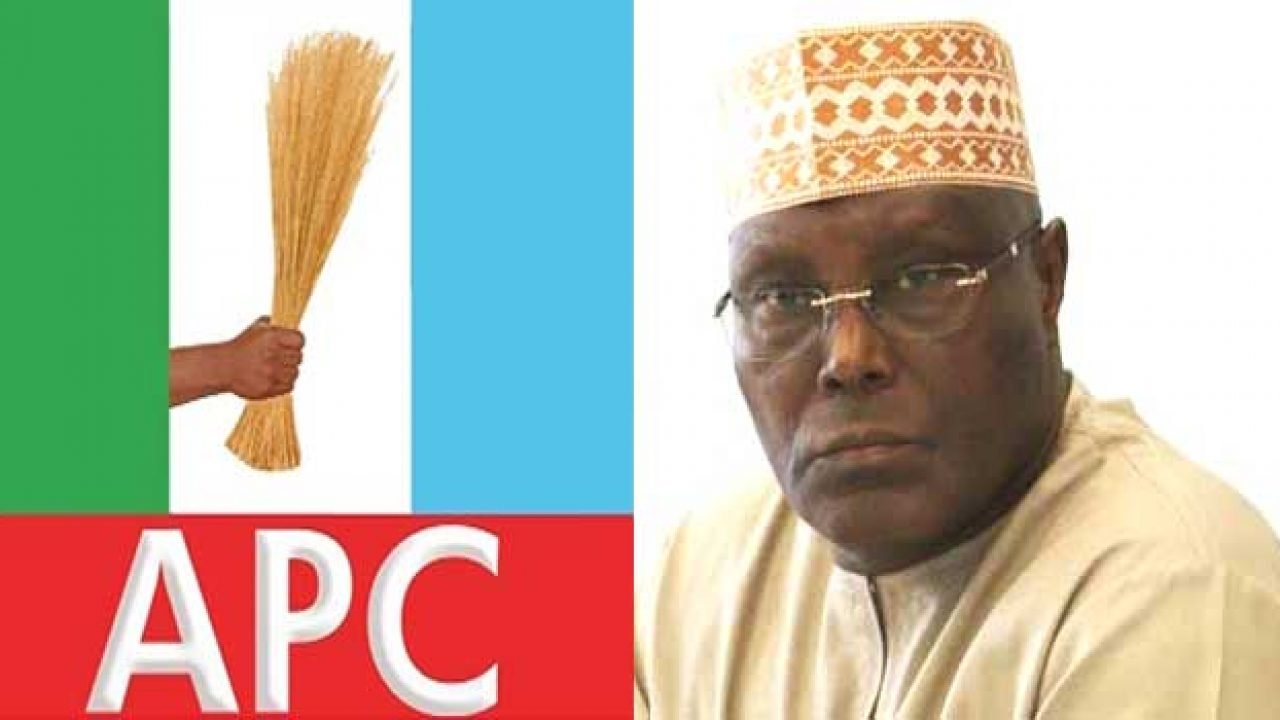 >
>
Such heated exchanges are, of course, typical of the political arena. Yet, it forces observers to consider the underlying currents. Are these merely predictable partisan attacks, or do they reflect genuine concerns about the direction of the country? Is there truth to the accusation of struggling governance, or is it simply political posturing?
Looking at the broader landscape, Nigeria faces significant challenges. Economic hardship, security concerns, and social unrest are prevalent. The question then becomes, is the government adequately addressing these issues? Have they demonstrated a clear and effective strategy, or are they perceived as reactive and overwhelmed?
It’s worth noting that criticism isn’t new. Every administration faces scrutiny, and Nigeria’s political history is filled with similar accusations and counter-accusations. The cycle often involves the opposition highlighting perceived failures, while the ruling party defends its record and attacks the credibility of its critics. >
>
Still, the consistency of these criticisms, from various sources, does raise eyebrows. The perception of “struggling governance” isn’t limited to the opposition. It’s a sentiment echoed by some segments of the public, civil society organizations, and even within the ruling party itself.
This challenge extends beyond any single individual or party. It’s about the fundamental structures and processes of governance. Are institutions strong and independent enough to hold power accountable? Are policies evidence-based and effectively implemented? Does corruption undermine progress? These are the questions that really matter.
For example, consider the economy. While the government touts certain achievements, many Nigerians struggle with rising inflation and unemployment. This disparity between official narratives and lived experiences fuels skepticism and resentment. Similar discrepancies can be observed in other sectors, such as security and infrastructure.
Of course, governing a country as complex and diverse as Nigeria is no easy task. There are inherent obstacles, legacy issues, and external factors that contribute to the challenges. Blaming one individual or party entirely would be simplistic and inaccurate.
However, leadership matters. The ability to inspire confidence, unite diverse interests, and drive meaningful change is crucial. When leadership is perceived as weak or ineffective, it erodes public trust and exacerbates existing problems.
To that end, this back-and-forth between Atiku and the APC, while seemingly a standard political squabble, acts as a reminder of the broader issues plaguing the nation. It reminds us to look beyond the headlines and assess the underlying realities.
It’s easy to get caught up in the drama of political theater. Yet, as observers, we must ask ourselves: what are the real issues at stake? What are the facts on the ground? And what can be done to improve the lives of ordinary Nigerians?
Having seen similar cycles play out in the past, I approach such exchanges with a healthy dose of skepticism. Words are cheap. What matters is action, and the demonstrable impact of policies on the lives of citizens.
In any case, the debate continues. The accusations will fly, and the defenses will be mounted. But ultimately, the judgment will be rendered not by politicians, but by the Nigerian people. And their verdict will depend on whether they see tangible improvements in their lives. The 2027 elections, drawing ever closer, will be the next major referendum. Whether the current narrative shifts remains to be observed.

![[post_title]](https://samony.com.ng/wp-content/uploads/2025/12/1764875122_Inside-Im-A-Celebrity-Aitchs-dating-history-as-rapper-sparks-300x158.jpg?lm=6931DB75 "Celebrity Dating: The “I’m a Celebrity” Publicity Machine")


![[post_title]](https://samony.com.ng/wp-content/uploads/2025/12/How-to-Break-a-Bad-Habit-11-Tips-and-Strategies-300x169.jpg?lm=6931DA31 "Work With Your Brain to Break Bad Habits")
![[post_title]](https://samony.com.ng/wp-content/uploads/2025/12/Pope-Leo-dissolves-one-of-Francis-final-acts-in-major-300x200.jpeg?lm=6931DAAB "Vatican Finances: Pope Leo Scraps Predecessor’s Plan – What’s Next?")
![[post_title]](https://samony.com.ng/wp-content/uploads/2025/12/In-1995-a-Netscape-employee-wrote-a-hack-in-10-300x169.jpg?lm=6931D870 "JavaScript’s Reign: How a 10-Day Hack Took Over the Web (And What’s Next)")

![[post_title]](https://samony.com.ng/wp-content/uploads/2025/12/1764876887_Mohbads-Widow-Wunmi-Issues-Fresh-Update-on-Her-DNA-Court.jpeg?lm=6931E259 "Mohbad’s Paternity Drama: Court Just Dropped a Major Ruling!")
![[post_title]](https://samony.com.ng/wp-content/uploads/2025/12/Syria-vs-Qatar-LIVE-Score-Updates-The-match-is-tie-1024x576.png?lm=6931E1DC "Syria Stuns Qatar: Was This Arab Cup Draw a Warning Sign?")
![[post_title]](https://samony.com.ng/wp-content/uploads/2025/12/1764875122_Inside-Im-A-Celebrity-Aitchs-dating-history-as-rapper-sparks-1024x538.jpg?lm=6931DB75 "Celebrity Dating: The “I’m a Celebrity” Publicity Machine")
