![[post_title]](https://samony.com.ng/wp-content/uploads/2025/11/Atiku-dumps-PDP-officially-join-ADC-in-Adamawa-1024x512.jpg?lm=6924CB07)
Atiku Abubakar’s Party Switch: A Sign of Things to Come for 2027?
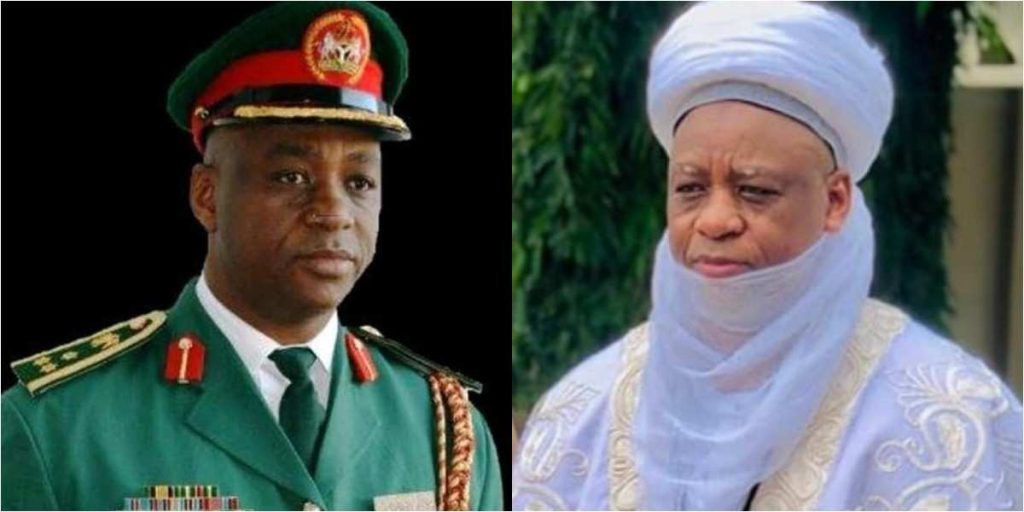
Atiku Abubakar, former Vice President and a perennial contender for Nigeria’s top job, has officially left the Peoples Democratic Party (PDP). His new political home? The African Democratic Congress (ADC). This move, confirmed with a photo op of Atiku holding his new ADC membership card in Adamawa, suggests a significant realignment of forces ahead of the 2027 presidential election.
It’s worth noting that Atiku had previously hinted at aligning with the ADC, even suggesting it as a platform for other opposition figures like Peter Obi to mount a challenge against President Bola Tinubu. Yet, formalizing his membership is a different ballgame. It shifts the ADC from a potential haven to a concrete vehicle, at least for Atiku.
This development raises several questions. First, why now? Atiku’s reasons for leaving the PDP aren’t explicitly stated, which adds to the intrigue. Is it a strategic calculation based on perceived weaknesses within the PDP, or a genuine belief that the ADC offers a better path forward? My experience suggests it’s likely a blend of both. Political actors often seek environments where they have greater influence and perceive a clearer route to power.
Then, there’s the ADC itself. This party has been actively seeking high-profile figures to boost its national standing. Landing Atiku is undoubtedly a coup, but it also presents challenges. Can the ADC effectively integrate a figure of Atiku’s stature and ambition without fracturing its existing structure and identity? The history of Nigerian politics is littered with examples of smaller parties being overwhelmed by the arrival of a dominant personality.
The timing is also interesting. We’re still some distance from the 2027 elections, but political maneuvering is already underway. Atiku’s move could trigger a cascade of realignments, as other politicians assess their options and seek the most advantageous positions. It feels like the opening moves in a complex chess game.
One can’t ignore the possible implications for the PDP. Atiku’s departure represents a loss of both symbolic and actual power. It raises questions about the party’s unity and its ability to present a credible challenge to the ruling party in 2027. How the PDP responds will be critical to its future. Will they attempt to reconcile and bring him back, or will they focus on rebuilding with new faces?
This challenge presents opportunities for other parties, too. We might witness a surge in activity within smaller political groups, as they position themselves as alternatives for disenchanted PDP members or those seeking fresh platforms. It’s a fluid situation, and the political landscape could look very different in the months and years to come.
Given these facts, the crucial point centers around whether this move can truly galvanize the opposition. While Atiku brings name recognition and resources, uniting a diverse coalition against a sitting president is no easy feat. Internal rivalries, conflicting agendas, and the ever-present specter of ethnic and regional divisions can derail even the most promising alliances.
It’s worth noting the ADC faction disputes reported elsewhere casting doubt on the legitimacy of Atiku’s onboarding. Such claims can potentially undermine the strength and unity a major player hopes to bring to the party.
Ultimately, Atiku’s defection to the ADC is more than just a headline. It reflects the ever-shifting dynamics of Nigerian politics and the relentless pursuit of power. Whether it proves to be a masterstroke or a miscalculation remains to be seen. For now, it signals a period of intense political activity and uncertainty as the country gears up for the next electoral cycle.
Keywords: Atiku Abubakar, PDP, ADC, 2027 election, Nigerian politics, party switch, political realignment

![[post_title]](https://samony.com.ng/wp-content/uploads/2025/12/Anthony-Joshua-Makes-Weight-For-Miami-Clash-With-Jake-Paul.jpg?lm=6933F6A2 "Joshua vs. Paul: Boxing’s Future or Just Another Sideshow?")
![[post_title]](https://samony.com.ng/wp-content/uploads/2025/12/1765013220_2Baba-accuses-family-of-destroying-marriage-300x150.jpg?lm=6933F6E7 "2Baba Family Feud: Unpacking Celebrity Relationship Controversies")
![[post_title]](https://samony.com.ng/wp-content/uploads/2025/12/1765013591_World-Cup-2026-live-England-Scotland-and-USA-to-learn-300x193.jpeg?lm=6933F85A "2026 World Cup: Navigating FIFA’s Politics, Logistics, and Legacy")
![[post_title]](https://samony.com.ng/wp-content/uploads/2025/12/OpenAI-beats-Google-Meta-and-Grok-in-all-AI-poker-tournament-300x169.jpg?lm=6933F3D9 "OpenAI’s AI Poker Win: A Glimpse into LLM Strengths and Flaws")
![[post_title]](https://samony.com.ng/wp-content/uploads/2025/12/Ned-Nwoko-Renews-Push-For-Social-Media-Regulation-After-Viral-300x169.jpg?lm=6933DAB6 "Nigeria Debates Social Media Regulation Amid Free Speech Concerns")

![[post_title]](https://samony.com.ng/wp-content/uploads/2025/12/PSG-vs-Rennes-predictions-Champions-to-respond-after-Monaco-defeat-1024x576.jpg?lm=6933FDAD "PSG vs. Rennes: Betting Tips, Analysis & Predictions for Ligue 1 Clash")