


Former Vice President Atiku Abubakar has unequivocally dismissed widespread reports suggesting he has withdrawn from the 2027 presidential contest to endorse Peter Obi. His media adviser, Paul Ibe, categorically labelled the claims as “false and misleading,” firmly asserting Abubakar’s continued participation in the upcoming electoral cycle. The denial addresses specific allegations that Abubakar, a perennial presidential candidate, would step aside for Obi in the interest of regional power balancing.
The speculative reports, which gained traction across various online platforms, posited that Mr. Abubakar, the Peoples Democratic Party (PDP) presidential candidate in the 2023 election, had reached a political understanding with Mr. Obi, the Labour Party’s flagbearer from the same election. This alleged pact reportedly included Abubakar’s support for a singular term for Obi, an arrangement purportedly designed to foster regional equity and rotational presidency principles within Nigeria’s complex political landscape. These claims sparked considerable debate among political observers and the electorate.
Mr. Abubakar, a veteran politician and former Vice President of Nigeria from 1999 to 2007, has been a prominent figure in the nation’s democratic journey. His most recent presidential campaign in 2023 saw him contest under the PDP banner, where he finished second to the incumbent President Bola Ahmed Tinubu. His consistent pursuit of the presidency underscores a deep-seated ambition and a formidable political machinery, making any talk of withdrawal a significant development within Nigerian politics.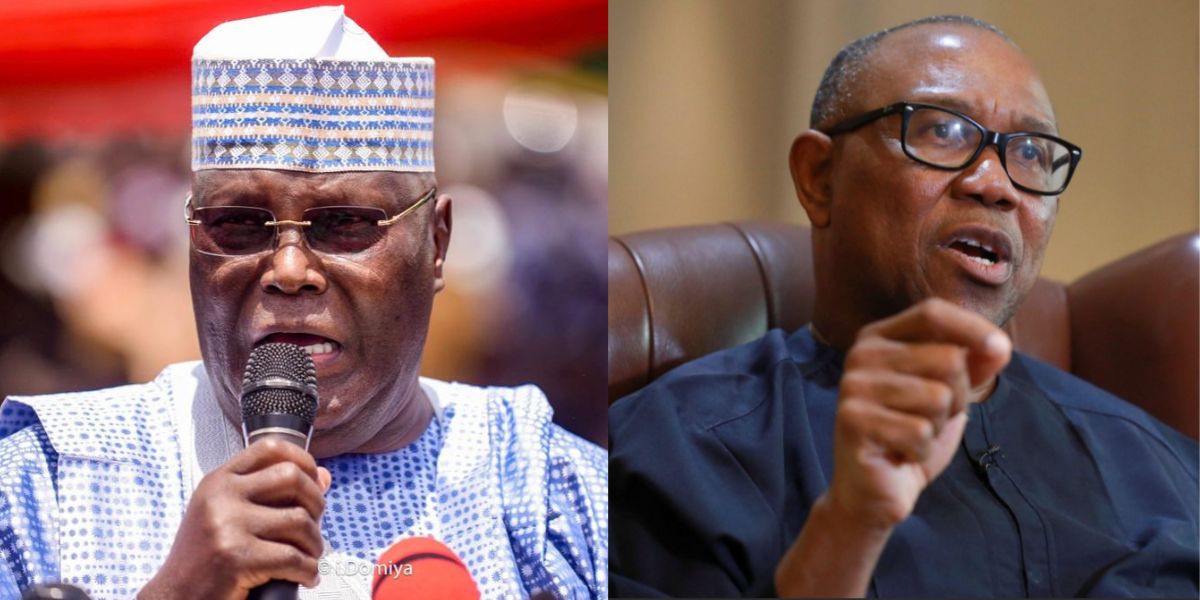
Peter Obi, a former Governor of Anambra State, emerged as a potent force in the 2023 presidential election, galvanizing a significant youth demographic and urban voters under the Labour Party. His campaign, often dubbed the ‘Obidient movement,’ challenged the traditional two-party dominance of the PDP and the All Progressives Congress (APC), securing a strong third-place finish. The prospect of an alliance between two such influential figures naturally ignites intense speculation about future electoral configurations.
The concept of ‘regional balance’ or power rotation holds immense weight in Nigerian political discourse, often influencing candidate selection and alliance formations. It reflects a long-standing informal understanding aimed at ensuring that the presidency alternates between the predominantly Muslim North and the predominantly Christian South, fostering national unity and inclusivity. Rumours of a deal predicated on such a principle invariably resonate deeply, tapping into historical grievances and aspirations for equitable representation across the federation.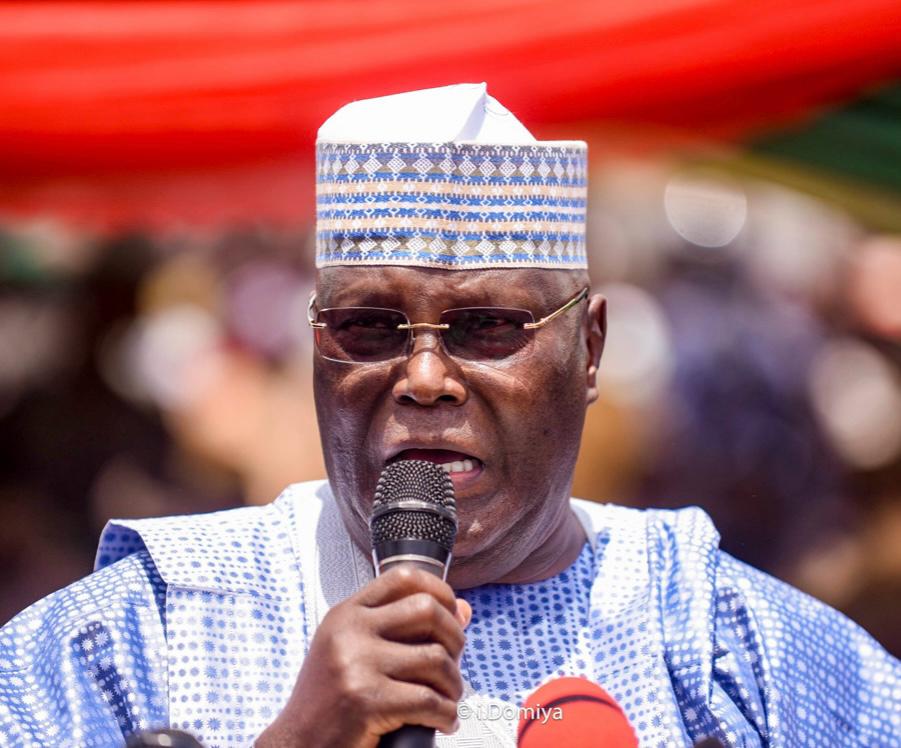
Mr. Ibe’s rebuttal was swift and unambiguous, shared via his verified X (formerly Twitter) account on Saturday, December 27. He posted a screenshot of the offending report, accompanied by the terse but definitive declaration: “Fake news: Not on the menu!” This direct repudiation instantly ignited a fresh wave of discussions and debates across social media platforms, with supporters of both Abubakar and Obi engaging in fervent exchanges over potential 2027 permutations and the viability of future political alignments.
The timing of these reports and their subsequent dismissal coincides with an escalating period of political manoeuvring and speculation ahead of the 2027 general election, which remains over two years away. Adding another layer of intrigue, separate unconfirmed reports have also surfaced suggesting Peter Obi is contemplating a formal move to the African Democratic Congress (ADC). Such a shift, if it materializes, could significantly reshape the political landscape, potentially positioning him within a different electoral vehicle for his next presidential bid and impacting any perceived alliance prospects.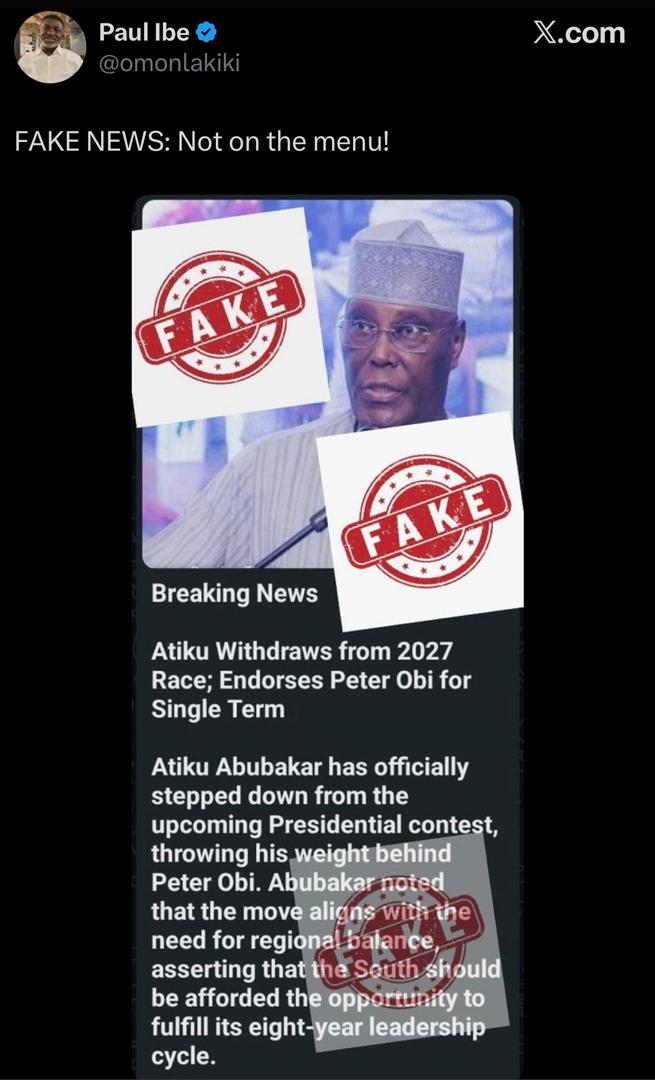
Political analysts suggest that the proliferation of such rumours, whether accurate or not, often serves multiple strategic purposes. They can be used to gauge public reaction, test the waters for potential alliances, or sow discord among political rivals. In Nigeria’s highly competitive political environment, where alliances are often fluid and allegiances can shift rapidly, the dissemination of unverified information becomes a potent tool in the intricate game of power play and electoral positioning.
Despite the persistent rumours and ongoing political calculations, Atiku Abubakar has consistently maintained his resolve to vie for the nation’s highest office. His media team’s firm denial reinforces his unwavering ambition and signals a clear intention to remain a central figure in the 2027 presidential race. As the political calendar slowly inches towards the next general election, the dynamics between key political gladiators like Abubakar and Obi will continue to be a focal point of national political discourse.
The early emergence of such high-stakes political narratives, more than two years before the polls, underscores the intense and often unpredictable nature of Nigerian presidential politics. As various factions and individuals begin to strategize and position themselves, the political landscape is set to remain highly dynamic, with alliances forming, shifting, and breaking. The 2027 election promises to be another keenly contested affair, with prominent figures already making their intentions known through direct statements and denials.








