


Former Vice President Atiku Abubakar has emphatically denied widespread reports suggesting his withdrawal from the 2027 presidential race in favor of Peter Obi, the Labour Party’s former presidential candidate. These allegations, which quickly circulated across various online platforms, claimed Abubakar had stepped aside and even agreed to support a one-term presidency for Obi, citing the paramount interest of regional balance within Nigeria’s complex political landscape. This swift rebuttal aims to quash growing speculation regarding potential alliances ahead of the next general elections, indicating the early intensity of political maneuvering.
Paul Ibe, Atiku Abubakar’s media adviser, publicly dismissed these claims as “false and misleading.” Reacting on Saturday, he shared a screenshot of the originating report on his verified X (formerly Twitter) account, stating unequivocally: “Fake news: Not on the menu!” The reports had specifically detailed a supposed understanding where Abubakar, who was the Peoples Democratic Party (PDP) presidential candidate in the 2023 elections, would lend his considerable political machinery and influence to Obi’s bid, a move that analysts suggested would significantly reshape the opposition’s strategy.
The notion of a political arrangement centered on “regional balance” carries substantial weight in Nigerian politics, particularly following the 2023 elections where the presidency shifted to the South. Such discussions frequently arise from the unwritten convention of power rotation between the North and South, aimed at fostering national unity and equitable representation. The alleged agreement for a one-term presidency for Obi, a southerner, would ostensibly pave the way for a northern candidate in subsequent electoral cycles, a strategic consideration often debated as a means to build broad-based national support.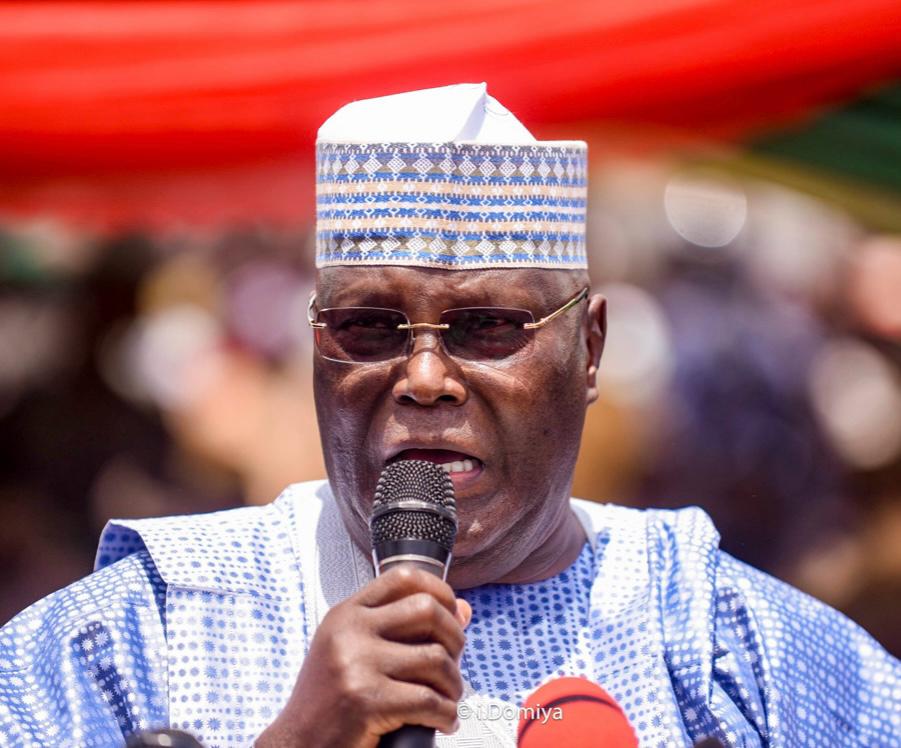
Atiku Abubakar, a veteran politician and former Vice President, has been a perennial presidential contender, representing the northern geopolitical zone with significant influence within the PDP. His extensive political career spans several decades, establishing him as a formidable force. Peter Obi, conversely, emerged as a significant third force in the 2023 elections, particularly popular among younger demographics and urban voters. His appeal challenged the established dominance of the PDP and the All Progressives Congress (APC), signaling a potential shift in voter sentiment and a desire for alternative leadership.
The swift denial by Abubakar’s camp has ignited fresh reactions and intense debate across Nigerian social media platforms. Supporters of both Atiku and Peter Obi are actively engaging in discussions about the feasibility of such alliances, the potential permutations for the 2027 elections, and the broader implications for opposition unity. This robust online engagement underscores the heightened political temperature, even with the next general election still several years away, indicating a nascent but vigorous jockeying for position among various political actors.
Adding another layer to the intricate political tapestry are unconfirmed reports circulating that Peter Obi himself is contemplating a formal move to the African Democratic Congress (ADC). While these reports remain speculative and have not been officially confirmed by Obi’s camp, they further fuel the ongoing speculation about potential realignments and strategic shifts within the opposition ahead of 2027. Such significant moves, if they materialise, could profoundly alter the dynamics of the presidential contest, creating new alliances and potentially fracturing existing political loyalties.
The persistent emergence of such significant rumors highlights the constant strategic maneuvering taking place behind the scenes in Nigerian politics. Political figures and their strategists are perpetually evaluating potential alliances, calculating electoral advantages, and gauging public sentiment months, if not years, before official campaigns begin. For the opposition, a united front is often considered crucial to mount a credible challenge against the incumbent party, making discussions around power-sharing and regional representation central to any prospective coalition.
Despite the swirling rumors and the growing clamor for opposition unity, Atiku Abubakar has made his position unequivocally clear: he is not stepping down for anyone. His firm denial signals his continued intent to contest the presidency in 2027, maintaining his long-standing ambition to lead the nation. This resolute stance sets the stage for what promises to be a highly competitive and dynamic political environment as Nigeria approaches its next electoral cycle, with various factions actively vying for influence and power.







