

![[post_title]](https://samony.com.ng/wp-content/uploads/2025/11/1764519788_Ariana-Grande-issues-emotional-statement-on-weight-loss-after-growing-1024x538.jpg?lm=692C6F6E)
Ariana Grande’s Weight Loss: A Critical Look at Celebrity Scrutiny and the Entertainment Industry
Ariana Grande has recently addressed public discussions around her weight loss, igniting conversations about celebrity body image, media scrutiny, and mental health. News outlets report Grande sharing a tearful interview where she highlights the dangers of commenting on other people’s appearances, reminding everyone of the importance of kindness. But is this simply about Grande, or does it expose a deeper malaise within the entertainment ecosystem?
The relentless focus on Grande’s physique, particularly as she promotes Wicked, spotlights a persistent problem. This isn’t an isolated instance. We’ve seen this pattern repeatedly: a celebrity’s appearance becomes a trending topic, overshadowing their work and personal life. It’s a cycle of speculation, judgment, and often, misplaced concern disguised as ‘genuine’ worry from fans.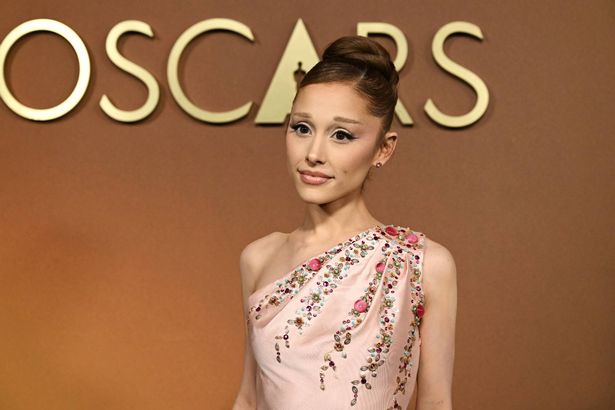 >
>
It’s worth noting that Grande isn’t the first, and certainly won’t be the last, celebrity subjected to this level of examination. The media, social and traditional, thrive on these narratives. They generate clicks, engagement, and ultimately, revenue. Yet, this pursuit comes at a cost, often inflicting emotional distress on the individual in the spotlight.
Grande touches on an important point: the “comfortability” people feel when commenting on others’ appearances. This online behavior often lacks empathy. People disconnect from the reality that the subject of their comments is a real person with feelings. It’s easy to fire off a tweet or leave a comment without considering its potential impact.
There’s also the historical context. Grande reveals she’s been in the public eye since her teens. That level of constant observation and judgment must take a toll. It’s akin to living in a perpetual petri dish, as she puts it. The pressure to maintain a certain image, to conform to ever-shifting beauty standards, can be overwhelming.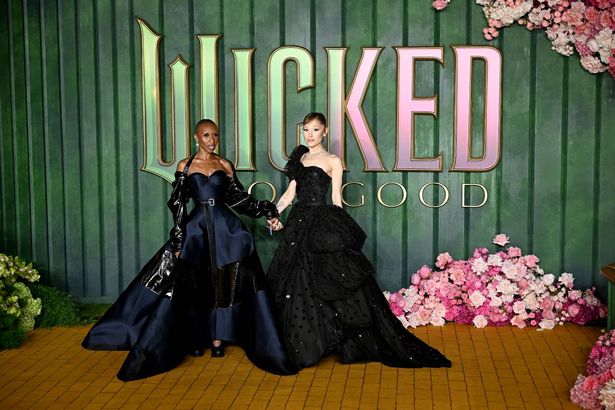 >
>
Given these facts, Grande’s emotional statement should be considered within the larger context of the entertainment industry’s pressures. It underscores the need for a more nuanced conversation about body image, mental health, and the media’s role in shaping public perception. This challenge demands a more empathetic and responsible approach from both media outlets and individuals on social platforms.
Now, some might argue that celebrities sign up for this level of exposure. They should expect scrutiny. However, this argument misses a crucial element. While fame may bring certain privileges, it shouldn’t strip an individual of their basic right to privacy and respect. The intense focus on physical appearance often veers into invasive territory.
The public’s “concern” also deserves a closer examination. Often, these expressions of worry are rooted in unrealistic beauty standards perpetuated by the media. The obsession with thinness, for example, can lead to individuals projecting their own anxieties onto celebrities, fueling a cycle of body shaming and negativity.
It’s easy to get caught up in the spectacle. The drama plays out online, generating endless commentary and speculation. Still, we need to remember that behind the headlines are real people navigating complex issues. A more mindful approach to celebrity culture would involve shifting the focus from physical appearance to talent, achievements, and the messages they promote.
Grande mentions that the body people compare her current physique to was actually her “unhealthiest.” She explains past struggles with antidepressants and unhealthy coping mechanisms. This highlights the flawed assumption that a certain body type equates to health and happiness. It also underscores the importance of individual well-being over external perceptions.
Ultimately, Ariana Grande’s statement is a reminder of the human cost of fame. It calls for greater compassion, critical thinking, and a rejection of harmful beauty standards. It’s a plea for understanding and a challenge to the systems that perpetuate this cycle of scrutiny. It encourages a shift towards celebrating individuals for their talent and accomplishments, rather than their bodies. The entertainment industry, and those who consume its output, need to heed this message. Perhaps then, we can begin to cultivate a healthier and more respectful environment for everyone.

![[post_title]](https://samony.com.ng/wp-content/uploads/2025/11/1764519788_Ariana-Grande-issues-emotional-statement-on-weight-loss-after-growing-300x158.jpg?lm=692C6F6D "Ariana Grande’s Tearful Plea: Why Can’t We Stop Commenting on Her Body?")
![[post_title]](https://samony.com.ng/wp-content/uploads/2025/11/1764518100_Tommy-Lee-pens-wistful-note-on-auctioned-off-safe-that-once-300x200.jpg?lm=692C68D7 "The $2,500 Safe: A Veteran’s Take on Privacy, Celebrity, and the Price of Virality.")
![[post_title]](https://samony.com.ng/wp-content/uploads/2025/11/Baden-Wurttemberg-Comicmesse-Comic-Con-in-Stuttgart-gestartet-300x169.jpg?lm=692C6AEE "Fan Conventions at a Crossroads: Preserving Authenticity in an Expanding Universe")
![[post_title]](https://samony.com.ng/wp-content/uploads/2025/11/1764517773_Marjorie-Taylor-Greene-appears-to-send-cryptic-message-to-Trump-300x200.jpg?lm=692C6790 "Greene’s Criticism Hints at a Rift With Trump Over Immigration and H-1B Visas")
![[post_title]](https://samony.com.ng/wp-content/uploads/2025/11/Bandits-abduct-bride-wedding-guests-in-Sokoto-community-300x180.jpg?lm=692C67D6 "Sokoto Wedding Abduction: Banditry’s Grip Intensifies")

![[post_title]](https://samony.com.ng/wp-content/uploads/2025/11/1764519662_Ukrainians-to-meet-with-Witkoff-and-Kushner-in-Florida-after-1024x683.jpg?lm=692C6EF1 "Kushner-Witkoff Ukraine Peace Plan Faces Scrutiny Over Potential Russian Bias")
![[post_title]](https://samony.com.ng/wp-content/uploads/2025/11/Governor-Alex-Otti-visits-Nnamdi-Kanu-in-Sokoto-prison.jpg?lm=692C6F40 "Otti Visits Kanu: Politics or Peace in Abia?")
![[post_title]](https://samony.com.ng/wp-content/uploads/2025/11/1764518100_Tommy-Lee-pens-wistful-note-on-auctioned-off-safe-that-once-1024x683.jpg?lm=692C68DB "The $2,500 Safe: A Veteran’s Take on Privacy, Celebrity, and the Price of Virality.")
