


A significant Arctic air mass has recently enveloped Europe, bringing with it an intense cold snap and heavy snowfall that has profoundly impacted travel infrastructure and strained national power grids. This meteorological event, characterized by frigid northerly winds driven by robust high-pressure systems originating in the Atlantic and Arctic regions, has seen temperatures plummet across northern and central Europe. Understanding the Arctic Freeze Europe phenomena is crucial for assessing its wide-ranging effects on daily life and critical services across the continent.
Overnight lows have reached extreme levels, with areas like Marham in southeastern England recording -12.5C (9.5F) and Mouthe in eastern France, along with Oberstdorf in the Bavarian Alps, dipping to a chilling -22C. Such severe weather conditions are not merely an inconvenience; they pose significant challenges to public safety, logistics, and economic stability. The sudden and drastic drop in temperature has led to a surge in heating demand, testing the resilience of Europe’s energy supply infrastructure.
What causes arctic air in Europe? Arctic air masses are typically formed over the Arctic region, characterized by extremely low temperatures and dryness. When high-pressure systems develop and push these cold air masses southward, they can penetrate deep into Europe, leading to widespread freezes and heavy snowfall, often intensified by moisture picked up over warmer waters.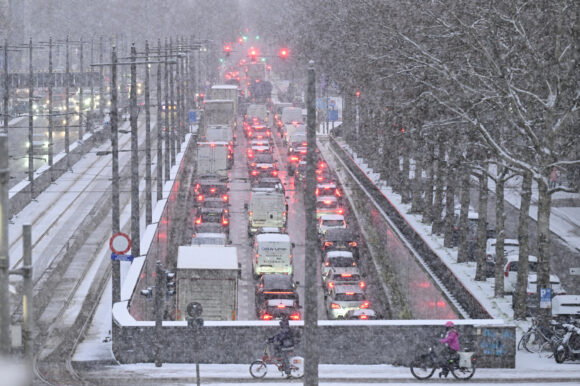
The energy sector has been particularly vulnerable, as the cold snap has sent power demand soaring. Simultaneously, output from intermittent renewable sources like wind and solar generation has slumped, creating a precarious balance in the continent’s electricity supply. France, for instance, was compelled to significantly ramp up its gas generators to meet a power demand that hit a five-year high, with projections indicating further surges. This highlights the ongoing debate around wind energy vs gas power Europe and the critical need for a diversified and resilient energy mix.
In Germany, despite a public holiday in several large states, power demand climbed well above its seasonal average, indicating the pervasive impact of the cold. These surges in demand, combined with reduced renewable output, underscore the challenges European nations face in maintaining energy security, particularly during extreme weather events. The situation sparks discussions on Europe energy outlook 2026 and strategies for futureproofing the grid against climate variability.
The travel industry has borne the brunt of the weather’s fury. Heavy snowfall led to widespread closures and operational limitations at major airports, resulting in hundreds of flight cancellations from Paris to Amsterdam. Nantes airport in Brittany experienced particularly severe disruptions. Beyond air travel, rail and bus services across the UK, Netherlands, and France also faced significant setbacks, with numerous Eurostar trains connecting London to Paris, Amsterdam, and Brussels either canceled or delayed. This demonstrates the fragility of interconnected transport networks in the face of such widespread climatic events.
For residents and travelers, navigating these conditions requires careful planning. This Europe extreme cold weather guide emphasizes the importance of staying informed about weather alerts, preparing for potential travel delays, and ensuring homes are adequately insulated. Authorities in affected regions have implemented emergency measures, including lower speed limits for vehicles and bans on heavy cargo traffic in areas under orange weather alerts, all aimed at enhancing public safety.
Safety during these extreme conditions is paramount. Two fatalities and several injuries were reported in road accidents due to icy conditions in the Paris region alone, underscoring the dangers of impaired visibility and slippery surfaces. Furthermore, the freeze has exacerbated existing infrastructure issues, such as power blackouts affecting thousands of households in regions like Loire-Atlantique and Vendée, and in Berlin, where an arson attack had already caused prolonged outages, with frozen ground hindering repair efforts. This situation highlights the need for robust emergency response and infrastructure maintenance plans.
The current cold spell is considered France’s most severe since 2012, with temperatures plummeting 10C to 15C below seasonal norms in many areas. Such comparisons prompt a deeper look into historical weather patterns and the long-term implications of climate change on the frequency and intensity of extreme weather events. The need for comprehensive winter travel tips Europe for beginners becomes apparent as more people might encounter such challenging conditions.
The Arctic Freeze Europe has served as a stark reminder of the continent’s vulnerability to extreme weather. It underscores the ongoing challenges in balancing energy demand with sustainable supply, ensuring seamless travel, and protecting public safety. As Europe continues to navigate these climatic shifts, adaptive strategies for infrastructure, energy policy, and emergency preparedness will be critical for resilience in the face of future extreme cold weather events and potential Europe travel disruptions news.








